Goldenrod Seeds vs Aster Seeds: Which One Should You Buy?
Goldenrod seeds vs aster seeds compared through goldenrod packs, with seed counts, zones, sowing rates and bloom timing for late-season pollinator planting.

On this page
Top picks at a glance
As an Amazon Associate I earn from qualifying purchases.
- 1
 Outsidepride 5000 Seeds Perennial Solidago Stiff Goldenrod9.7/10View on Amazon
- 2
 KVITER 600 New England Aster Seeds9.6/10View on Amazon
- 3
 Goldenrod Seeds for PlantingView on Amazon
- 4
 Showy Goldenrod Seeds for PlantingView on Amazon
- 5
 Earthcare Seeds Goldenrod Showy 1000 SeedsView on Amazon
- 6
 Stiff Goldenrod Seeds for PlantingView on Amazon
- 7
 1000+pcs Yarrow Goldenrod Seeds for PlantingView on Amazon
- 8
 SolidagoView on Amazon
As summer fades and the garden thins out, the beds that still hum with bees are the ones holding late-season flowers. Goldenrod seeds vs aster seeds is the choice many pollinator gardeners weigh at that point, and goldenrod earns its place with golden blooms in the late season and perennial roots that return each year. The packs compared here are all goldenrod, ranked by the strength of what each listing states, and the guide below shows what each pack offers and how to pick between the flower types.
Other hives and gear to compare
 Goldenrod Seeds for PlantingCheck price on Amazon
 Showy Goldenrod Seeds for PlantingCheck price on Amazon
 Earthcare Seeds Goldenrod Showy 1000 SeedsCheck price on Amazon
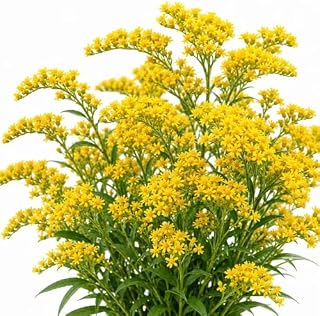 Stiff Goldenrod Seeds for PlantingCheck price on Amazon
 1000+pcs Yarrow Goldenrod Seeds for PlantingCheck price on Amazon
 SolidagoCheck price on Amazon
HiveKeeperGear earns a commission when you buy through links on this site, at no extra cost to you. As an Amazon Associate I earn from qualifying purchases. Affiliate disclosure.
Before you buy: check local rules
Goldenrod is a native wildflower with many uses, from roadside plantings to naturalized settings and wildflower gardens. Before sowing, check local rules for planting in shared ground and near property lines, and confirm that goldenrod suits the site. A local beekeeping club or extension office can advise on pollinator planting in the area.
Goldenrod seeds vs aster seeds at a glance
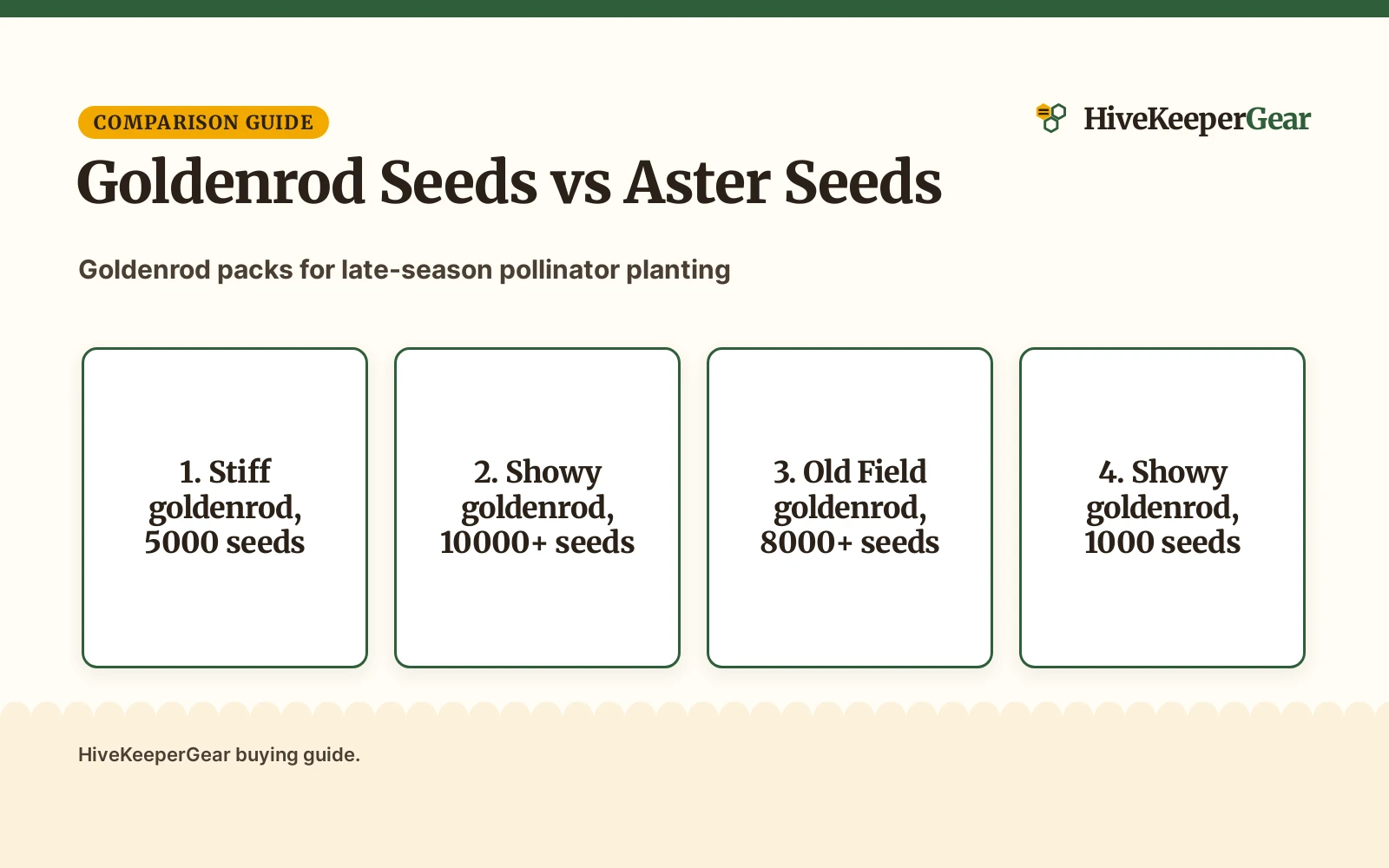
The packs below are the goldenrod side of this comparison, ranked by the strength of what each listing states. Seed counts and zones come from the listings, and a cell marked Not stated means the listing does not state that detail.
| Rank | Pack | Seeds | Zones |
|---|---|---|---|
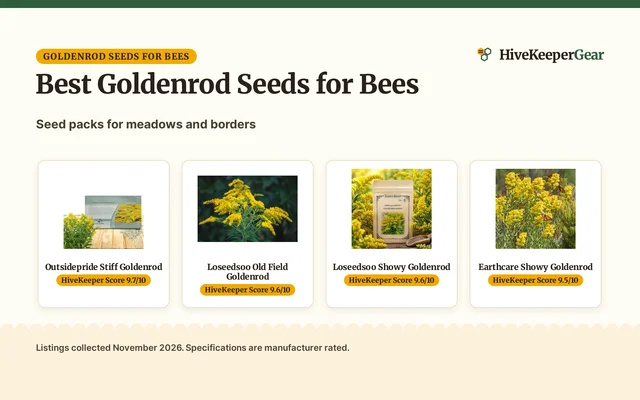
| 1 | Outsidepride Stiff Goldenrod | 5000 | 3 to 9 |
| 2 | Loseedsoo Showy Goldenrod | 10000+ | 3 to 8 |
| 3 | Loseedsoo Old Field Goldenrod | 8000+ | Not stated |
| 4 | Earthcare Showy Goldenrod | 1000 | Not stated |
1. Outsidepride Stiff Goldenrod
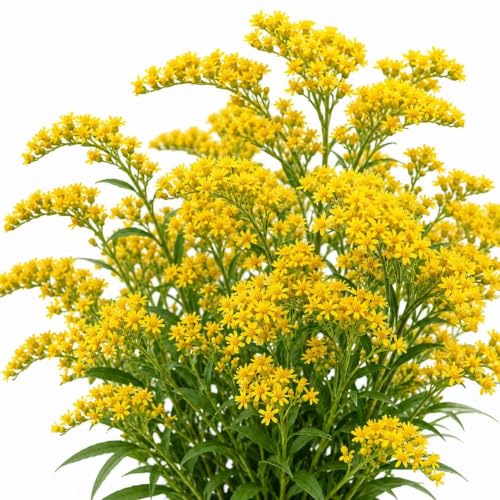
Outsidepride lists 5000 seeds of perennial Solidago stiff goldenrod, a native wildflower for roadside plantings, naturalized settings and wildflower gardens. The listing states a height of 2 to 3 feet, USDA zones 3 to 9, full sun and well-drained garden soil, with large heads and flower clusters that bloom in late fall. Butterflies, hummingbirds, goldfinches and other small birds feed on its nectar and flower seeds, and the leaves stay attractive all summer before turning rose color in fall.
Sowing guidance is the fullest here: sow 3 to 4 seeds per plant directly outdoors in a weed-free seedbed, broadcast in late fall or early winter, and lightly rake the seed into the soil. Cold, moist winter weather helps break dormancy, and the seed begins to germinate when temperatures warm in spring. The listing also notes that the pack holds ample seed for planting multiple areas.
2. Loseedsoo Showy Goldenrod
Loseedsoo lists 10000+ showy goldenrod seeds, Solidago speciosa, for gardens, borders, meadows and naturalized landscapes. The listing states tall stems with golden-yellow blooms, full sun, many soil conditions once established, and USDA zones 3 to 8. Butterflies, bees and other pollinators visit the flowers, and the listing notes the blooms suit cottage gardens, prairie-style plantings, roadside borders and cut flower arrangements.
A detail disagrees inside the listing: the spec table lists the color as a variety of colors, while the title and bullets describe golden-yellow blooms. The title and bullets carry the description here. With the largest seed count of the packs compared, this pack suits larger planting projects and meadow work.
3. Loseedsoo Old Field Goldenrod
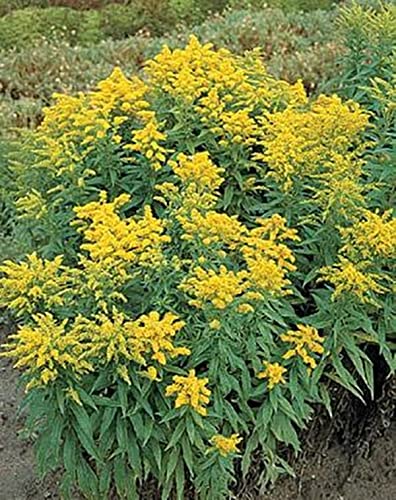
Loseedsoo lists 8000+ old field goldenrod seeds, Solidago nemoralis, a hardy native perennial that returns year after year with bright golden blooms. The listing states drought tolerance once established, low maintenance, and full sun, with masses of yellow flowers from late summer into fall. Bees, butterflies and other pollinators value the flowers, and the pack suits wildflower gardens, pollinator habitats, prairie plantings and natural landscapes.
4. Earthcare Showy Goldenrod
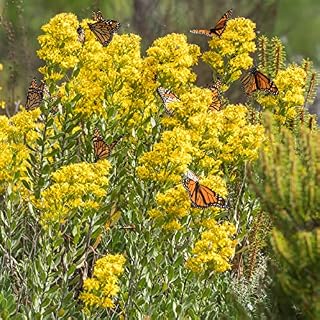
Earthcare lists 1000 showy goldenrod seeds, Solidago speciosa, as a heirloom, open-pollinated pack. The listing states radiant golden blooms, a robust root system that helps prevent soil erosion, and efficient water retention. Bees, butterflies and other beneficial insects visit the flowers. Growing instructions and plant images are included on the seed envelope, the seeds are for the current and following growing seasons, and storage in dark, dry, cool conditions promotes seed life. The maker states a warranty of 90 days from the date of purchase, the only warranty stated among the packs compared.
How to choose between goldenrod seeds and aster seeds
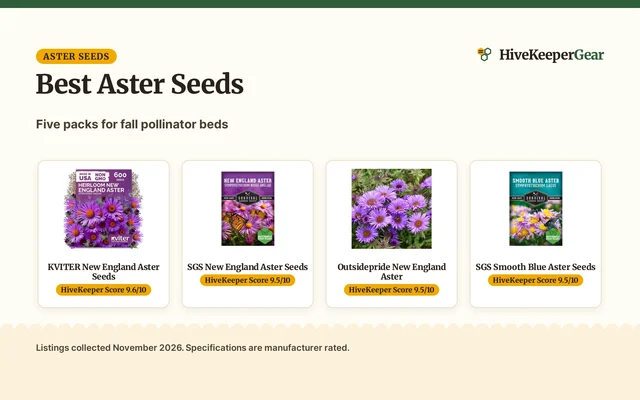
Start with bloom timing and habit. Goldenrod is a perennial that returns year after year, with blooms in the late season, so it suits beds and meadows meant to fill the late-season gap. Aster seed packs are the other side of this comparison, and the best aster seeds guide compares those packs in the same way.
Then weigh seed count against area. A pack of 10000+ seeds suits a meadow or a large border, while a pack of 1000 seeds suits a small bed or a trial planting. Check zones next: the stiff goldenrod listing states zones 3 to 9, while the showy goldenrod listing states zones 3 to 8, so match the pack to the local zone. For a dry, sunny site, the old field goldenrod listing states drought tolerance once established. For sowing guidance, the stiff goldenrod listing gives a sowing rate of 3 to 4 seeds per plant and a late fall planting window.
A first-season timeline
Late fall: the stiff goldenrod listing advises broadcasting the seed in a weed-free seedbed and lightly raking it into the soil; cold, moist winter weather helps break dormancy. Spring: the stiff goldenrod listing notes the seed begins to germinate as temperatures warm. Summer: the stiff goldenrod listing notes leaves that stay attractive through the season, and the showy goldenrod listing describes tall stems in full sun. Late summer into fall: the old field goldenrod listing describes masses of yellow flowers opening, drawing bees and butterflies when many other flowers have finished. Fall: foliage on stiff goldenrod turns rose color, and the perennial roots carry the planting into the next season.
Nice to have later
- A spare pack for another area, since the stiff goldenrod listing notes ample seed for planting multiple areas.
- A rake for working broadcast seed lightly into the soil.
- Notes on which beds bloomed and which pollinators visited, kept from the start.
- Extra seed for the following growing season, as the Earthcare listing notes its seeds cover the current and following seasons.
What is not on this list
Aster seed packs are not among the packs compared here; a separate aster seed guide covers them. This guide covers seed packs only, and gives no bee health or treatment advice. For colony health questions, contact a state apiary inspector or extension office.
FAQs for beekeepers
When should goldenrod seeds be sown?
The stiff goldenrod listing advises sowing in late fall or early winter, broadcast in a weed-free seedbed and lightly raked into the soil. Cold, moist winter weather helps break dormancy, and germination begins when temperatures warm in spring.
How many seeds should be sown per plant?
The stiff goldenrod listing states a sowing rate of 3 to 4 seeds per plant.
What zones do these goldenrod packs suit?
The stiff goldenrod listing states USDA zones 3 to 9, and the showy goldenrod listing states zones 3 to 8. Match the pack to the local zone before sowing.
Do goldenrod flowers come back each year?
Yes, goldenrod is a perennial. The old field goldenrod listing states that it returns year after year with bright golden blooms.
Which pollinators visit goldenrod flowers?
Bees, butterflies, hummingbirds, goldfinches and other small birds feed on the nectar and flower seeds, according to the stiff goldenrod listing. The other listings also name bees and butterflies among the visitors.
More hive guides
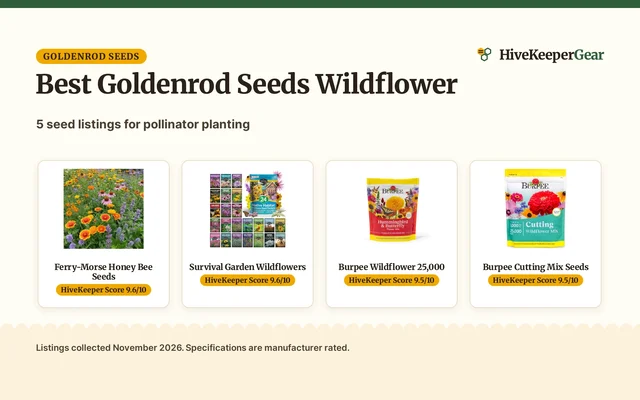
Compare the other side of this choice in the best aster seeds guide, or browse more flower seed comparisons such as cosmos seeds vs coneflower seeds and lavender seeds vs bee balm seeds. The best goldenrod seeds wildflower guide compares goldenrod packs on their own.