Inverter Generator vs Battery for Vaporizer: Which One Should You Buy?
Compare inverter generators and batteries for powering an oxalic acid vaporizer in the apiary, including runtime, weight, maintenance, and power reliability.

On this page
Top picks at a glance
As an Amazon Associate I earn from qualifying purchases.
- 1
 ENOFLO 300W Portable Power StationView on Amazon
- 2
 PowerSmart 4000 Watt Portable Inverter Generator for Home UseView on Amazon
- 3
 maXpeedingrods 4000 Watt Inverter GeneratorView on Amazon
- 4
 Oxseryn Power Equipment 4400 Watts Inverter Generator GasView on Amazon
- 5
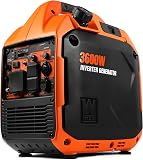 WEN 3600-Watt Portable Inverter GeneratorView on Amazon
- 6
 ERAYAK 2400W Portable Inverter Generator for Home UseView on Amazon
During late fall hive preparation when heating tools are needed across the bee yard, choosing between an inverter generator vs battery for vaporizer equipment depends on your hive count and portability needs. For hobbyists managing several hives, a deep-cycle battery or portable power station provides quiet operation and easy transport between hive stands without engine exhaust. Beekeepers running larger yards with consecutive heating cycles benefit from an inverter generator that delivers continuous alternating current without recharging delays. We compared runtime, weight, electrical output, and seasonal upkeep to help you choose the right power source for your apiary.
Other hives and gear to compare
 ENOFLO 300W Portable Power StationCheck price on Amazon
 PowerSmart 4000 Watt Portable Inverter Generator for Home UseCheck price on Amazon
 maXpeedingrods 4000 Watt Inverter GeneratorCheck price on Amazon
 Oxseryn Power Equipment 4400 Watts Inverter Generator GasCheck price on Amazon
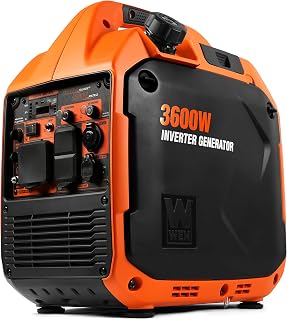 WEN 3600-Watt Portable Inverter GeneratorCheck price on Amazon
 ERAYAK 2400W Portable Inverter Generator for Home UseCheck price on Amazon
HiveKeeperGear earns a commission when you buy through links on this site, at no extra cost to you. As an Amazon Associate I earn from qualifying purchases. Affiliate disclosure.
Before you choose: assessing apiary power needs
Every apiary presents distinct layout challenges that dictate how electrical power moves from hive to hive. A stationary backyard setup with a few hives placed close together allows a single battery or power station to sit on a hive stand without long cords. In contrast, an out-yard spread across rough ground requires either carrying a power source from box to box or positioning a generator central to the rows and running a heavy-duty extension cord.
Vaporizers rely on heating elements that demand significant electrical energy during startup and temperature recovery between cycles. Understanding whether your tool requires 120 volts of alternating current or 12 volts of direct current is the starting point before investing in a field power system.
Inverter generator vs battery for vaporizer: key differences
The choice between an inverter generator vs battery for vaporizer duty balances steady power output against yard mobility and operating volume. Inverter generators use an internal combustion engine to drive an alternator, converting the generated current into stable pure sine wave alternating current suitable for sensitive electronic controllers. Deep-cycle batteries and lithium power stations deliver stored electricity silently without exhaust fumes, but their total operating time is limited by stored capacity.
| Power Source | Primary Advantage | Key Limitation | Yard Fit | Related Guide |
|---|---|---|---|---|
| Inverter Generator | Continuous runtime with refueling | Engine exhaust and carry weight | Large out-yards and multiple apiaries | Commercial vs hobby vaporizers |
| 12-Volt Deep-Cycle Battery | Silent operation and zero emissions | Heavy weight and slow recharging | Small stationary yards with cart access | Battery powered vs 12v vaporizers |
| Lithium Power Station | Lightweight carry and built-in outlets | Finite watt-hour capacity per charge | Hobby yards and remote hive stands | Cordless vs corded vaporizers |
1. Electrical output and power delivery
Electric heating elements create a heavy resistive load when warming up to operating temperature. Inverter generators use microprocessor-controlled electronics to produce pure sine wave alternating current at 120 volts, delivering clean power that protects digital temperature controls. For example, ERAYAK rates its 2400P portable generator at 2400 peak watts and 1800 running watts, which provides ample reserve power for standard 120 volt heating coils. Similarly, maXpeedingrods rates its MXR3500 generator at 3500 peak watts and 3000 running watts, delivering steady output through standard 120 volt outlets.
Batteries deliver direct current, which matches vaporizers fitted with terminal clamps that connect directly to battery posts. When running alternating current tools from a battery system, an inverter is required. Compact portable units like the ENOFLO G300 integrate pure sine wave inverters into a battery enclosure, delivering 300 watts rated output and 600 watts surge output at 110 volts alongside a 12 volt DC port. For larger heating tools, beekeepers must ensure the continuous wattage rating comfortably exceeds the tool’s maximum heating draw.
2. Runtime and cycle capacity
Runtime determines how many consecutive hives a beekeeper can manage in a single afternoon. An inverter generator operates continuously as long as fuel remains in the tank. The Oxseryn EDOC09 features a 1.1 gallon fuel tank that provides up to 9 hours of runtime at 25 percent load with its 2000 running watts engine. For heavier demands, the maXpeedingrods MXR3500 delivers up to 8.3 hours of runtime at 25 percent load, representing a 750 watt load, or 4.5 hours at 50 percent load representing a 1500 watt load. Refueling allows immediate continuation without waiting for electrical recharge cycles.
Battery systems operate on a finite energy reservoir. The ENOFLO G300 power station holds 228 watt-hours of capacity. Drawing steady power for high-draw heating elements depletes stored energy after several cycles, requiring the unit to be recharged. Recharging the ENOFLO from an alternating current wall outlet takes 6 to 7 hours, or 7 to 8 hours from a 12 volt car port. In out-yards without grid access, depleted batteries end the workday unless a secondary pack is available.
3. Weight, noise and yard transport
Transporting equipment across uneven terrain between hive rows requires manageable weight. Gas-powered inverter generators carry internal combustion engines, alternators, and fuel tanks that add pounds. The Oxseryn EDOC09 weighs 39 pounds empty, while the ERAYAK 2400P weighs 42 pounds. Slightly larger models like the WEN 56360i weigh 46 pounds, and the PowerSmart DB5035 weighs 50.7 pounds. Moving a 42 to 50.7 pound generator across deep grass or muddy apiary paths generally calls for a wheel kit or yard cart.
Compact lithium power stations provide a notable weight advantage at modest capacities; for example, the 228 watt-hour ENOFLO G300 weighs 6.2 pounds, allowing easy one-person transport between boxes. Traditional 12 volt lead-acid deep-cycle batteries, however, frequently weigh as much as or more than a compact inverter generator.
Noise impact on colony behavior is another operational distinction. Many portable inverter generators feature enclosed dampening cases designed for quiet running. The ERAYAK generator produces 52.5 decibels at 7 meters distance under 25 percent load. The maXpeedingrods MXR3500 and Oxseryn EDOC09 each produce 58 decibels at 23 feet distance, while the PowerSmart unit is rated at 59 decibels from 23 feet. However, open-frame inverter models such as the Oxseryn EDOG10 produce higher sound levels, operating under 72 decibels from 23 feet. Combustion engines also produce exhaust fumes that must be kept downwind from hive entrances, whereas battery systems operate silently with zero vibration and zero emissions.
4. Fuel handling vs battery charging
Fuel logistics represent an ongoing chore for generator owners. Small combustion engines require clean, fresh gasoline and regular engine oil checks. Leaving fuel sitting in a carburetor during inactive periods can cause gumming and hard starting. Manufacturers address this with dedicated features; the WEN 56360i includes a fuel shutoff switch that consumes remaining gasoline in the carburetor before shutdown, helping preserve the fuel system. Oxseryn includes a fuel gauge on its 1.1 gallon and 2 gallon tanks so beekeepers can verify fuel levels at a glance.
Battery platforms eliminate fuel cans, oil funnels, and exhaust odors entirely. Charging happens plugged into a garage wall before heading to the bee yard. However, battery cells require careful maintenance between seasons. Lithium batteries must be stored within moderate temperature ranges and recharged periodically to maintain cell health. ENOFLO recommends recharging its portable power station at least once every 1 to 2 months when not in active use.
5. Long-term durability and seasonal storage
Beekeeping equipment endures long idle spans between spring inspections and late-season hive preparation. Inverter generators withstand years of utility if winterized correctly. Draining the fuel tank, running the carburetor dry, and changing the engine oil protects internal components against corrosion. Manufacturer warranties reflect expected service life; WEN provides a 3 year warranty on its 56360i generator, ERAYAK offers a 3 year limited warranty with technical support, maXpeedingrods provides a 2 year warranty on the MXR3500 and MXR4000, and Oxseryn covers models like the EDOG10 and EDOC09 with a 1 year warranty.
Batteries have finite chemical lifespans governed by total charge cycles. Lead-acid batteries degrade if left discharged in cold weather, while lithium cells lose capacity over seasons of heavy cycling. In cold late-autumn conditions, chemical reactions slow and reduce usable battery output until cells warm up, whereas combustion engines equipped with cold-start technology maintain steady electrical output once running at operating temperature.
An apiary treatment workflow
Preparing an apiary for winter often involves treating several colonies across multiple hive stands in late fall. Staging your equipment efficiently reduces disturbance to the bees and saves physical effort. When operating an inverter generator, place the machine a practical distance downwind from hive entrances so engine exhaust and heat drift away from the colonies. Manufacturers frequently measure sound levels at 23 feet (or 7 meters), where quiet enclosed models operate between 52.5 and 59 decibels, providing a useful reference distance for yard placement. Connect a heavy-duty extension cord and route the wire along the back of the hive line to avoid tripping hazards while wearing protective veils.
Start the generator and allow the engine to reach operating temperature before connecting the heating tool. Move sequentially down the row, keeping records of each colony treated. When using a portable battery station, place the pack on a hive stand, transport cart, or ground tarp beside the active box rather than resting equipment on neighboring hive covers. Because batteries emit no exhaust, you can position the power source near the hive entrance, minimizing cord clutter and simplifying movement between hives.
Nice to have in the yard
- A heavy-duty outdoor extension cord rated for weather exposure when operating a generator at a distance.
- A sturdy yard wagon or folding hand cart to transport heavy generators across damp apiary turf.
- A dedicated fuel can with a spill-free pouring spout and fuel stabilizer for seasonal gasoline storage.
- A digital timer or countdown watch to monitor heating cycles consistently across consecutive colonies.
- Terminal clamp covers and insulated handle grips to prevent accidental electrical shorts in damp grass.
Keeping a dedicated field tote for electrical accessories ensures adapters, cords, and spare plugs remain dry and organized between yard visits.
What is not on this list
This guide compares off-grid electrical power sources and does not provide bee health, disease diagnosis, or treatment advice. Consult your local extension office or state apiary inspector for guidance on colony health practices and approved apiary management programs.
FAQs for beekeepers
Can an inverter generator damage an electric vaporizer?
Modern inverter generators produce clean pure sine wave power with low total harmonic distortion, making them safe for sensitive heating controls. Units like the ERAYAK 2400P maintain total harmonic distortion under 1.2 percent, protecting digital thermostats from electrical noise.
How loud is an inverter generator in the bee yard?
Sound levels depend on generator construction. Enclosed models like the ERAYAK 2400P produce 52.5 decibels at 7 meters, while the Oxseryn EDOC09 and maXpeedingrods MXR3500 operate at 58 decibels from 23 feet away. In contrast, open-frame inverter models like the Oxseryn EDOG10 produce higher sound levels, operating under 72 decibels from 23 feet.
Can a small portable power station run a 120-volt heating tool?
A portable power station can run a 120 volt tool only if its continuous wattage rating meets or exceeds the tool’s power draw. The ENOFLO G300 provides 300 watts continuous and 600 watts surge output, which accommodates low-wattage heating elements.
How should generator fuel be stored between beekeeping seasons?
Before storing a generator for winter, drain the fuel tank or close the fuel valve and run the carburetor completely dry. Models like the WEN 56360i include a dedicated fuel shutoff switch to burn off remaining gasoline and prevent carburetor clogging.
Is a battery lighter to carry than an inverter generator?
Compact lithium power stations like the ENOFLO G300 weigh 6.2 pounds, offering a lighter carry than portable inverter generators like the Oxseryn EDOC09 and ERAYAK 2400P that weigh 39 to 42 pounds empty. Traditional lead-acid deep-cycle batteries, however, often weigh as much as a gas generator.
More hive guides
Browse every guide by category: hive tools, beehives, protective gear and honey harvesting.
More picks: explore our comparisons of sublimator vs pan oxalic acid vaporizers, active fan vs passive vaporizers, and cordless vs corded vaporizers.