Nylon vs Cotton Bee Veil: Which One Should You Buy?
Nylon and cotton bee veils compared for beekeepers: breathability, weight, water handling, durability and care, with concrete figures from current listings.

On this page
Top picks at a glance
As an Amazon Associate I earn from qualifying purchases.
- 1
 Luwint Bee Jacket9.4/10View on Amazon
- 2
 Bee Jacket with Fencing VeilView on Amazon
- 3
 Luwint Folding Square Beekeeping Veil HatsView on Amazon
- 4
 Humble Bee 211 Polycotton Beekeeping Veil with Fencing HoodView on Amazon
- 5
 Humble Bee 221 Ultravent Beekeeping Veil with Fencing HoodView on Amazon
- 6
 Honey Gate Valve for BucketView on Amazon
- 7
 Ultra-Fine Nylon Mesh Strainer- Mini Kitchen Colander forView on Amazon
Choose a cotton bee veil if you want the most breathable, natural-feel fabric for hot days in the apiary. Choose a nylon bee veil if you want a veil that dries fast, resists mildew and keeps its shape in damp weather. This nylon vs cotton bee veil guide compares the two fabrics on breathability, weight, rain handling, durability and care, with concrete figures from current listings.
Other hives and gear to compare
 Bee Jacket with Fencing VeilCheck price on Amazon
 Luwint Folding Square Beekeeping Veil HatsCheck price on Amazon
 Humble Bee 211 Polycotton Beekeeping Veil with Fencing HoodCheck price on Amazon
 Humble Bee 221 Ultravent Beekeeping Veil with Fencing HoodCheck price on Amazon
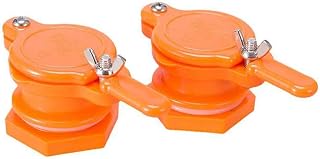 Honey Gate Valve for BucketCheck price on Amazon
 Ultra-Fine Nylon Mesh Strainer- Mini Kitchen Colander forCheck price on Amazon
HiveKeeperGear earns a commission when you buy through links on this site, at no extra cost to you. As an Amazon Associate I earn from qualifying purchases. Affiliate disclosure.
The quick answer
Cotton wins on breathability and comfort against the skin: the listings show 100% cotton veils (NAVADEAL) and cotton-and-linen veils (NIZEFEI) marketed for all-day wear. Nylon wins on weather: synthetic mesh dries quickly, resists mildew and holds its structure when wet. Match the fabric to your climate: cotton for hot, dry apiaries, nylon for humid or rainy ones.
Cotton bee veils: what the listings show
Cotton veils are the traditional choice, and the listings give a clear picture. The NAVADEAL veil is 100% cotton, lightweight, in a bucket-hat style with a drawstring closure, and it is hand wash only. The NIZEFEI veil blends cotton and linen with a 360-degree protection design: the veil itself is 43 cm (16.93 in) long, the hat top measures 14 cm (5.51 in), the circumference is 64 cm (25.2 in) and the diameter is 38 cm (14.96 in), with an adjustable fit cord. Package weights run 4.16 ounces (NAVADEAL) to 7.7 ounces (NIZEFEI).
Cotton breathes well and feels soft against the skin, which matters on long inspection days. The trade-offs are water and care: the NAVADEAL listing states it is not water resistant, cotton absorbs sweat and rain, and it needs hand washing. Cotton can also shrink if washed hot, so check the fit after the first wash. For hot, dry climates where airflow matters most, cotton is hard to beat.
Nylon bee veils: the synthetic case
Nylon veils, usually a woven or knitted mesh, are the modern alternative. Nylon dries much faster than cotton after rain or sweat, resists mildew in damp storage, and holds its shape when wet instead of sagging onto your face. The Bee Proof listing shows the ventilated-mesh approach: triple-layer breathable construction with black mesh for 360-degree visibility, elastic shoulder straps that hold the veil without pinching, and reinforced brims that keep the hat structured.
The trade-off is feel: nylon does not breathe quite like cotton and can feel warmer against the skin on still days, though ventilated three-layer designs like the Bee Proof’s are made to move air. Nylon is also more abrasion-resistant than cotton, so a well-made mesh veil tends to last longer under hard use. At 9.9 ounces for the Bee Proof veil, nylon is still light enough for all-day wear.
Nylon vs cotton bee veil: side by side
| Factor | Cotton bee veil | Nylon bee veil |
|---|---|---|
| Breathability | Excellent; natural fiber, soft on skin | Good; ventilated mesh designs move air |
| Weight | 4.16 to 7.7 oz in the listings | Light; 9.9 oz for a triple-layer mesh veil |
| Rain and sweat | Absorbs water; not water resistant | Dries fast; resists mildew |
| Structure when wet | Can sag | Holds shape |
| Care | Hand wash only; may shrink | Dries fast; holds its size |
| Visibility | Depends on the veil panel | Black mesh gives clear 360-degree view |
What to look for in either fabric
Fit comes first. A veil that gaps at the shoulders or rides up in wind is a sting risk whatever the fabric. Look for adjustable cords, elastic shoulder straps or drawstrings, and a brim wide enough to hold the mesh off your face: the NIZEFEI lists a 38 cm (14.96 in) diameter and the NAVADEAL uses a drawstring closure. Visibility is next: fine, dark mesh with small, even holes keeps bees out while giving a clear view, as both the NIZEFEI and Bee Proof listings describe. Ventilation matters in summer, which is why triple-layer mesh designs exist. For more on jackets with built-in veils, see our best beekeeping jackets and the best bee jackets for hot weather.
Care, storage and lifespan
How a veil is stored matters as much as how it is made. Cotton veils should be stored dry and out of direct sun for long periods; a damp cotton veil left in a tote can mildew, and the NAVADEAL listing’s hand-wash-only instruction is a reminder that cotton needs gentle care. Nylon mesh veils are more forgiving: they dry quickly, resist mildew and hold their shape in storage, which is why many beekeepers toss a nylon veil in the truck between yards without a second thought.
Lifespan follows care. Cotton softens with washing but eventually thins at the fold points and the drawstring or cord wears; check the closures and the veil-to-hat seam each spring. Nylon resists abrasion better, so the mesh itself often outlasts the hat or the elastic. Whichever fabric you choose, replace a veil when the mesh develops holes, the closures no longer hold, or the brim no longer keeps the fabric off your face: a tired veil is a sting waiting to happen.
FAQs for beekeepers
Is nylon or cotton better for a bee veil?
For hot, dry weather, cotton breathes best. For humid or rainy weather, nylon dries faster, resists mildew and holds its shape. Both work; the climate decides.
Do cotton bee veils shrink?
They can, especially in hot water. The cotton listings call for hand washing only. Check the fit after the first wash and buy adjustable if you are between sizes.
Are nylon veils as breathable as cotton?
Close, with the right design. Ventilated triple-layer mesh veils are built for airflow on hot days, though cotton still feels softer against the skin.
Can I wash my bee veil?
Cotton veils are hand wash only per the listings. Nylon mesh veils dry fast. Either way, air dry and check the stitching and closures before the next inspection.
Does the veil fabric affect visibility?
The mesh or veil panel matters more than the hat fabric. Fine dark mesh with small, even holes gives the clearest view; the Bee Proof listing notes black mesh for 360-degree visibility.
More hive guides
See every protective gear guide and all bee jackets and veils guides.