Red Wigglers vs Nightcrawlers: Which One Should You Buy?
Red wigglers are the composting pick in this set of 4 worm packs, with no nightcrawler listing included, and every figure taken from the listings.

On this page
Top picks at a glance
As an Amazon Associate I earn from qualifying purchases.
- 1
 Uncle Jim's Worm Farm 1000 Count Red Wiggler Composting WormsView on Amazon
- 2
 NaturesGoodGuys Live Red Wiggler WormsView on Amazon
- 3
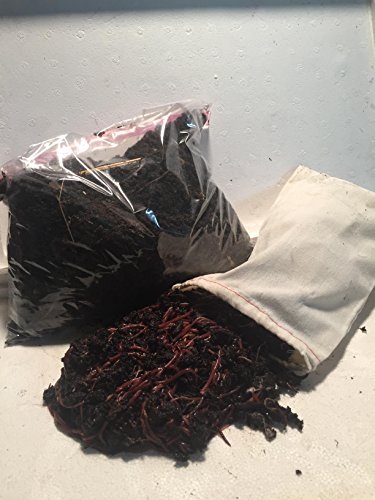 250 Red Worms Red Wigglers Compost WormsView on Amazon
- 4
 BloomsnBuds 200 Red Wiggler WormsView on Amazon
- 5
 Outlaw X Live Red WigglersView on Amazon
Red wigglers vs nightcrawlers is a composting question, and for a worm bin the answer from the listings here is red wigglers: every worm pack in this set is red wigglers, and no nightcrawler listing is included, so the nightcrawler side is not covered here. Red wigglers thrive in a composting bin and turn food scraps into castings, and the packs below range from a small colony starter to the largest count pack here. If you are buying worms for a compost bin, pick from the red wigglers below; if you want nightcrawlers, look for a listing that names them.
Other hives and gear to compare
 Uncle Jim's Worm Farm 1000 Count Red Wiggler Composting WormsCheck price on Amazon
 NaturesGoodGuys Live Red Wiggler WormsCheck price on Amazon
 250 Red Worms Red Wigglers Compost WormsCheck price on Amazon
 BloomsnBuds 200 Red Wiggler WormsCheck price on Amazon
 Outlaw X Live Red WigglersCheck price on Amazon
HiveKeeperGear earns a commission when you buy through links on this site, at no extra cost to you. As an Amazon Associate I earn from qualifying purchases. Affiliate disclosure.
Red wigglers vs nightcrawlers: the short answer
For a compost bin, pick red wigglers. The listings here say red wigglers thrive in a composting bin and turn food scraps into worm castings, and Uncle Jim’s says its mix works all layers of the compost, and every pack in this set is red wigglers. No listing here names nightcrawlers, so this article cannot compare nightcrawler sizes, counts or prices against the red wigglers. The short answer is the answer the listings support: stock the bin with red wigglers, and judge nightcrawlers only from a listing that actually names them.
The red wigglers in this set
The 4 packs below are all red wigglers for composting, listed in the order we would pick them for a new bin, and each names the pack size and the job it suits.
| Pack | Worms | What the maker states |
|---|---|---|
| Uncle Jim’s 1000 Count | 1000 count | Decades-old beds; castings 7 times richer in phosphates |
| WWJD 1 lb | 1 lb | Thrive in a composting bin; easy to maintain |
| Uncle Jim’s 100 Count | 100 count | Same farm; smaller starter pack |
| FoothillSierraGarden 50 Count | 50 count | Pure Eisenia fetida; double in 3 months |
Uncle Jim’s Worm Farm 1000 Count Red Wiggler Composting Worms is the largest count pack here, with 1000 worms from beds the maker says are decades old. The maker says the mix may contain different earthworm species, and that the mix works all layers of the compost, not just the top few inches. The maker also says its castings are 7 times richer in phosphates, 5 times richer in nitrogen, and 11 times richer in potash than average lawn soil, and that the farm has been in business for over 50 years on over 40 acres of land.
WWJD Worms Red Wigglers Composting Worms, 1 lb, is a pound of red worms for composting in gardens, raised beds or a worm composting bin. The maker says these red worms thrive in a composting bin, adapt well to home composting, and are easy to maintain, and that the castings enrich garden soil and support healthy growth. The pack weighs 1.0 pounds and measures 5.0 by 5.0 by 5.0 inches.
Uncle Jim’s Worm Farm 100 Count Red Wiggler Composting Worms is the smaller starter from the same farm, with 100 worms and the same claims about decades-old beds, all layers of the compost, and castings 7 times richer in phosphates, 5 times richer in nitrogen, and 11 times richer in potash than average lawn soil. The pack weighs 0.125 pounds. The title names garden soil or fishing, and the bullets name a compost bin, so the same worms suit a bin or a fishing trip.
FoothillSierraGarden 50-Count Pure Red Wiggler Live Worms is the smallest pack here, with 50 worms of pure Eisenia fetida, not a mix. The maker says the colony can double in 3 months, can live in any composter or compost bin, and comes with handling instructions in a premium cotton breathable bag that measures 7 by 8 by 2 inches. The maker also says to email if there are issues with the worms and they will send a replacement.
What red wigglers do in a compost bin
Red wigglers eat food scraps and waste in the bin, and the makers say the scraps get digested and turned into worm castings. Uncle Jim’s says its castings are 7 times richer in phosphates, 5 times richer in nitrogen, and 11 times richer in potash than average lawn soil, and WWJD says the castings enrich garden soil and support healthy growth. The worms work through the material as they move, and the makers say the activity helps soil structure and plant roots. Feeding scraps to worms instead of throwing them away keeps nutrients cycling, per Uncle Jim’s, and the farm says using the castings reduces the need for harmful chemicals in the garden.
How to choose a starter pack
Pick a pack size for the bin
The packs here run from 50 count to 1000 count, plus a 1 lb pack sold by weight. A 50-count pack starts a small colony, and the maker says it can double in 3 months, while the 1000-count pack from Uncle Jim’s starts a larger colony. Match the pack to the size of the bin and the amount of scraps you have, and remember that a bigger starter gives the bin more worms from the start.
Pure strain or farm mix
FoothillSierraGarden sells pure Eisenia fetida, and says so plainly: not a mix. Uncle Jim’s sells a mix and says it may contain different earthworm species, harvested from beds that are decades old, and says the diversity works all layers of the compost. If you want a single named species, pick the pure pack; if you want the farm mix, pick Uncle Jim’s. Our wildlife feeding guides cover the wider backyard feeding side.
What comes in the box
FoothillSierraGarden includes handling instructions and a premium cotton breathable bag, and says to email if there are issues and they will send a replacement. The other listings name no extras in the box, so check the pack size and the worm count before ordering. For the wider worm keeping guides, see our worm and insect keeping guides.
FAQs for beekeepers
Are red wigglers good for composting?
Yes, for a compost bin. The listings say red wigglers thrive in a composting bin and turn food scraps into castings, and Uncle Jim’s says its mix works all layers of the compost. The 4 packs here are all red wigglers for composting.
How many worms do I need to start a bin?
The listings offer 50 count, 100 count, 1000 count and 1 lb packs, and FoothillSierraGarden says its 50-count colony can double in 3 months. Pick the pack that fits the bin, and add scraps a little at a time as the worms settle in.
Are Uncle Jim’s worms pure red wigglers?
No. The maker says the mix is harvested from worm beds that are decades old and may contain different earthworm species. FoothillSierraGarden sells pure Eisenia fetida, not a mix.
Do the listings here include nightcrawlers?
No. All 4 packs are red wigglers, and no listing here names nightcrawlers. Judge nightcrawlers only from a listing that actually names them.
Can red wigglers live in a garden bed?
The listings name compost bins, raised beds and garden soil. WWJD says its worms suit raised beds and a worm composting bin, and Uncle Jim’s names garden soil or fishing. FoothillSierraGarden says its worms can live in any composter or compost bin.
More hive guides
See every Worm and Insect Keeping guide and all Maple Sugaring guides. Also see our best ant farms for adults. Also see our butterfly house vs butterfly raising kit. Also see our best worm composting bin. Also see our worm tower vs worm bin. Also see our plastic vs wood worm bin.
More related guides (17)
- green praying mantis habitat
- best worm farm bedding
- praying mantis habitat vs stick insect habitat
- monarch vs painted lady butterfly kits
- leaf insect keeping
- stick insect keeping
- butterfly net cage small
- insect keeping box
- butterfly habitat pop up
- praying mantis water dish
- praying mantis accessories
- best stick insect habitat under 15
- bug viewer vs magnifying glass
- insect observation habitat vs bug viewer
- butterfly net to cover milkweed plant
- insect habitat kit
- best paper for worm bedding
More picks: wildlife feeding, beekeeping tools, best beehive feeder.