What Is an Ant Moat for Beehives?
An ant moat is a water or oil barrier under each hive leg that stops ants from climbing into the hive, and this guide explains how it works and how to keep it filled.

On this page
Top picks at a glance
As an Amazon Associate I earn from qualifying purchases.
- 1
 Hummingbird Feeders for Outdoors with Ant MoatView on Amazon
- 2
 Ant Moat for Hummingbird FeederView on Amazon
- 3
 TERULF Ant Moat for Hummingbird & Oriole FeedersView on Amazon
- 4
 3oz Plastic Ant Moat for Hummingbird FeederView on Amazon
- 5
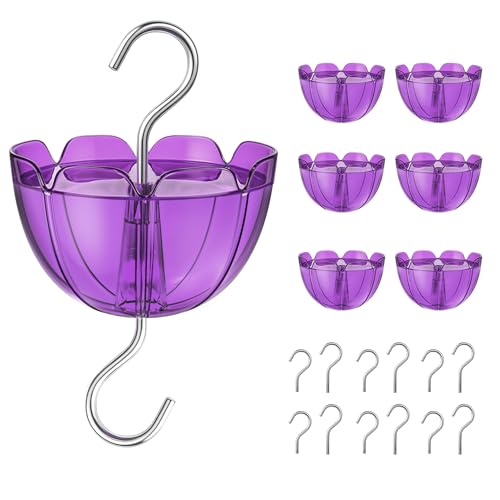 6-Pack Ant Moat for Hummingbird Feeders 4OZView on Amazon
- 6
 iBorn Ant Moat for Hummingbird FeedersView on Amazon
A line of ants crosses the grass toward the hive, climbs the stand, and slips through the entrance while the keeper works through the morning inspection. A shallow ring of water or oil around each leg can stop that climb at the ground. So what is an ant moat? It is a small barrier that sits under a hive leg and keeps ants from reaching the hive, and this guide explains the water and oil styles, how to set a moat up, and how to keep it filled.
Other hives and gear to compare
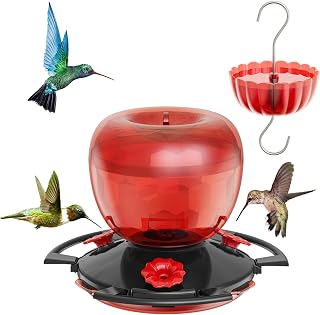 Hummingbird Feeders for Outdoors with Ant MoatCheck price on Amazon
 Ant Moat for Hummingbird FeederCheck price on Amazon
 TERULF Ant Moat for Hummingbird & Oriole FeedersCheck price on Amazon
 3oz Plastic Ant Moat for Hummingbird FeederCheck price on Amazon
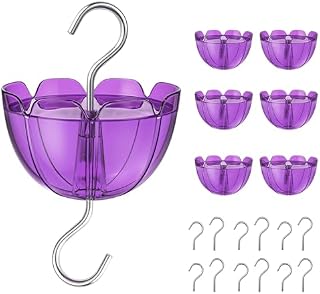 6-Pack Ant Moat for Hummingbird Feeders 4OZCheck price on Amazon
 iBorn Ant Moat for Hummingbird FeedersCheck price on Amazon
HiveKeeperGear earns a commission when you buy through links on this site, at no extra cost to you. As an Amazon Associate I earn from qualifying purchases. Affiliate disclosure.
What is an ant moat and how it works
An ant moat is a cup or trough fixed to a hive foot and filled with water or oil. The hive leg stands inside the cup, and the liquid forms a ring the ants cannot cross to reach the leg. The barrier guards the climbing route only, so the feet must sit level and the moat must stay filled.
| Moat style | Barrier | Material | Pieces in a set |
|---|---|---|---|
| Plastic feet with water moat | Water | Plastic | 4 |
| Plastic feet with water moat, pack of 16 | Water | Plastic | 16 |
| Plastic feet with water moat, pack of 24 | Water | Plastic | 24 |
| Stainless steel oil moat feet | Oil | Stainless steel | 4 |
| Galvanized iron moat cups | Not stated | Galvanized iron | 4 |
Water moats
Water moats are the common style in this guide. The FINGERINSPIRE feet (on Amazon) carry a built-in moat that fills with water and forms a continuous barrier around each leg. The assembled stands measure 4.5 x 4.5 x 3.5 inch, and the pack holds 4 sets, 16 stands in total, which suits a keeper with several colonies. The maker lists the stands as a fit for most common hive dimensions, with no tools needed for installation.
The HugList kit (on Amazon) holds 6 sets, 24 pieces in total, with a water moat groove in each stand. Each set holds 4 feet for a hive. The FONDOTIN feet (on Amazon) use a water trough base with easy cleaning and drainage, measure 3.74 x 3.74 x 3.54 inches, and weigh 0.4 pounds. The Opulimpid sink (on Amazon) takes the same idea in cup form: a set of 4, with an elliptical shape, a larger contact surface, and a top cover shaped to keep bees from being submerged, measuring 5.0 x 4.0 x 7.0 inches. The listing does not state which liquid the sink holds.
Oil moats
Oil moats suit a keeper who wants a barrier that stays in place between refills. The Aqur2020 feet (on Amazon) are stainless steel, with an oil moat barrier sized 8.3 x 7 cm. The listing states to fill the bottom bowl with oil and keep the top cover about 5 mm above it, and the set holds 4 bases, 4 screws and 4 gaskets for quick setup.
The galvanized iron cups use a screw-fixed design. The FESTFENDS cups measure 3.27 x 3.27 x 2.76 inches, or 8.30 x 8.30 x 7.00 cm, and weigh 0.99 pounds, with 4 cups in a set. The VOSAREA and BESPORTBLE cups share the same size and weight; both listings describe screw-mounted moat cups, and the VOSAREA listing describes them as for wooden stands. The iron build resists rust and outdoor conditions, and the raised feet improve air circulation under the hive boxes.
How to set one up
Start with a level spot for the stand, then place a foot under each corner. Screw-mount cups fix to the base with screws, while plastic feet sit under the corners with no tools. Fill each moat after the feet are in place: water for a water moat, oil for an oil moat. For the Aqur2020 oil feet, keep the top cover about 5 mm above the bowl of oil. Check that the hive sits level and steady, with no grass or debris bridging the moat.
A moat fits a hive that already stands on legs. The Aqur2020 set fits base stands, and the FINGERINSPIRE stands fit most common hive dimensions. Check the size of the feet against the stand before ordering: the FINGERINSPIRE stands measure 4.5 x 4.5 x 3.5 inch, the FONDOTIN feet measure 3.74 x 3.74 x 3.54 inches, and the iron cups measure 3.27 x 3.27 x 2.76 inches.
Keeping the moat filled
A moat only works while the liquid is in it, so the level needs a look at each inspection. Water leaves the moat through evaporation, while oil stays put longer, so water moats need refilling more often. Top up the liquid before it runs dry, and clear leaves and debris from the trough so the ring stays unbroken. The FONDOTIN trough base allows easy cleaning and drainage.
What an ant moat does not do
A moat guards the legs of the stand and nothing else. A hive that sits flat on the ground has no moat to guard it, and a moat cannot help if grass, a strap, or a leaning board gives ants a bridge past the legs. A moat also does not guard the entrance itself, so a hive with gaps in the boxes still leaves ants a way in.
FAQs for beekeepers
Do ants harm a beehive?
Ants can invade a hive and disturb the bees, and the moat listings describe the barrier as a way to keep ants from reaching the colony.
Should the moat hold water or oil?
Water moats use plastic feet with a groove or trough, while oil moats use stainless steel feet with a cover above the bowl. Either liquid forms the ring that blocks the climbing route.
How often should the moat be refilled?
Check the level at each inspection and top it up before it runs dry. Water leaves the moat faster than oil, so a water moat needs a look more often than an oil moat.
What size are ant moat feet?
Sizes vary by listing. The FINGERINSPIRE stands measure 4.5 x 4.5 x 3.5 inch, the FONDOTIN feet measure 3.74 x 3.74 x 3.54 inches, and the galvanized iron cups measure 3.27 x 3.27 x 2.76 inches, or 8.30 x 8.30 x 7.00 cm.
Can an ant moat fit a hive stand already in use?
The Aqur2020 oil moat feet screw under a beehive base and fit base stands, and the plastic feet sit under the corners of a stand with no tools. Check the size of the feet against the stand before ordering.
More hive guides
Browse more guides: 8-frame hives, hive frames, hive tools and bee feeders. For the stand the moat sits under, see the hive stand guide, and for starting a colony, see how to start a bee hive.