Zinnia Seeds vs Pollinator Seed Mix: Which One Should You Buy?
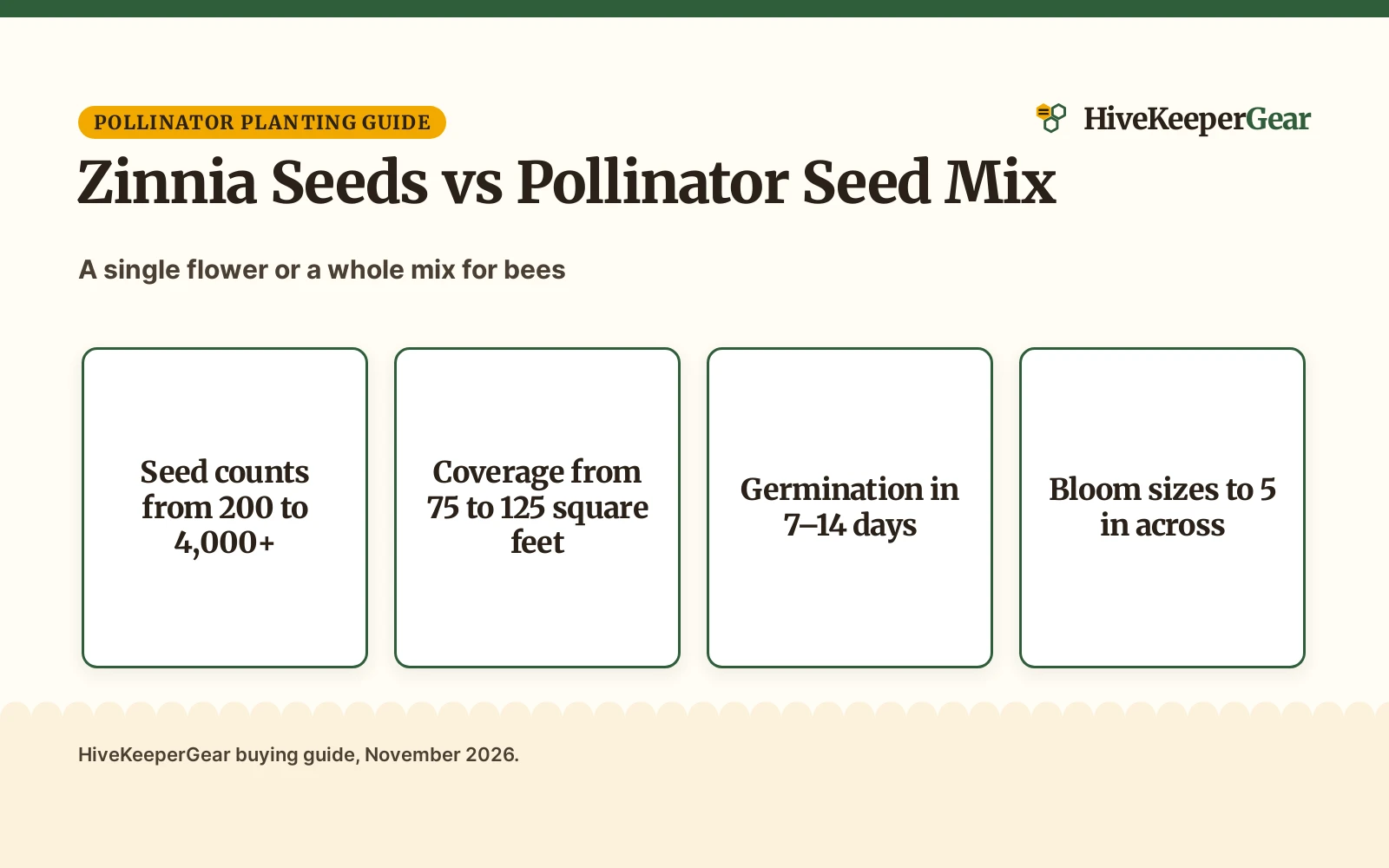
Zinnia seed packets for the bee yard, compared by seed count, coverage, germination days and bloom size from the listings.

On this page
Top picks at a glance
As an Amazon Associate I earn from qualifying purchases.
- 1
 550 Crazy Blend Zinnia Heirloom Flower Seeds for PlantingView on Amazon
- 2
 SVI 550 Mix Cactus Zinnia Seeds for 2026View on Amazon
- 3
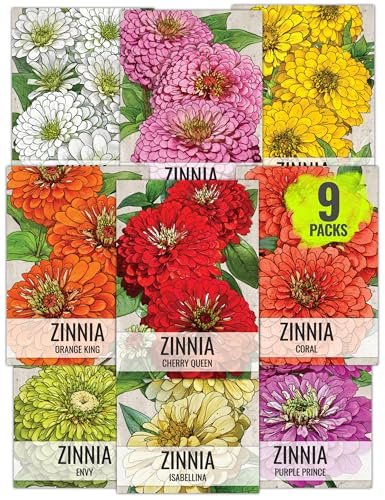 Seed Needs Zinnia Seeds Variety Pack of 9View on Amazon
- 4
 NatureZ Edge Zinnia Seeds for 2026 Planting OutdoorsView on Amazon
- 5
 Seed Needs Zinnia Seeds Original Crazy Blend 1View on Amazon
- 6
 Zinnia SeedsView on Amazon
In late spring, when the colony is building fast and the yard still looks bare, the choice in zinnia seeds vs pollinator seed mix is the choice between a single flower and a blend: a zinnia packet gives blooms for cutting, while a pollinator mix blends many flowers that can bloom across the season for bees and butterflies. This guide compares the seed packets in the listings by seed count, coverage, germination days and bloom size, so you can match the packet to the patch of ground you have.
Other hives and gear to compare
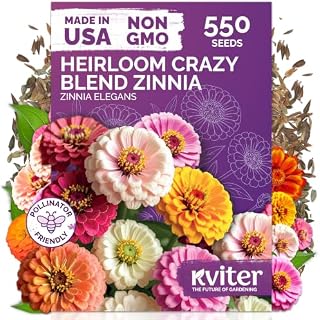 550 Crazy Blend Zinnia Heirloom Flower Seeds for PlantingCheck price on Amazon
 SVI 550 Mix Cactus Zinnia Seeds for 2026Check price on Amazon
 Seed Needs Zinnia Seeds Variety Pack of 9Check price on Amazon
 NatureZ Edge Zinnia Seeds for 2026 Planting OutdoorsCheck price on Amazon
 Seed Needs Zinnia Seeds Original Crazy Blend 1Check price on Amazon
 Zinnia SeedsCheck price on Amazon
HiveKeeperGear earns a commission when you buy through links on this site, at no extra cost to you. As an Amazon Associate I earn from qualifying purchases. Affiliate disclosure.
Zinnia seeds vs pollinator seed mix at a glance
A zinnia packet holds a single flower type, in a mix of colors, while a pollinator mix holds many flower kinds. All the packets here are zinnia mixes, so the table below compares them on what the listings state: seed count, coverage, germination days and bloom size.
| Packet | Seeds | Coverage | Germination | Bloom size |
|---|---|---|---|---|
| Sweet Yards Cut and Come Again Mix | 4,000+ seeds | 125 square feet | Not stated | Not stated |
| Sweet Yards California Giants Mix | 3,000+ seeds | 75 square feet | Not stated | 5 in across |
| Old Farmer’s Almanac Dahlia Mix | Approx 200 seeds | Not stated | Not stated | Not stated |
| SVI 550 Cactus Zinnia Mix | Not stated | Not stated | 7–14 days | 4–5 inch |
The seed packets, compared
Sweet Yards Cut and Come Again Mix. The largest packet here: a 1 ounce packet with 4,000+ pure live seeds, enough to cover 125 square feet. The listing says the more you cut, the more they bloom, with bright, cheerful colors all season long. It comes in premium packaging with planting instructions and a reusable zipper, and the listing offers a refund within 30 days if the seeds do not germinate.
Sweet Yards California Giants Mix. A 1 ounce packet with 3,000+ seeds, enough to cover 75 square feet. The listing describes big, colorful blooms 5 in across in red, pink, purple, orange, yellow and white, from non-GMO, open pollinated seed from the USA. The packet has a resealable zipper and full planting instructions.
Old Farmer’s Almanac Dahlia Mix. A 1 gram packet with approx 200 premium, open pollinated, non-GMO seeds of USA origin. The listing says the Dahlia Mix fills the garden with big, bold blooms in a vibrant rainbow of colors, and that butterflies, bees and hummingbirds love the blooms. The listing offers a 30-day satisfaction promise, and it advises deadheading whenever flowers look tired or worn, cutting stems diagonally above a fresh set of leaves so a new bloom grows.
SVI 550 Cactus Zinnia Mix. Giant cactus zinnias with 4–5 inch flowers and needle-like petals on sturdy stems. The listing says the seeds germinate in 7–14 days in warm soil and bloom from early summer through fall, thrive in full sun with average to dry soil, need minimal maintenance and resist deer. The tall stems do not require staking, and the nectar-rich blooms attract butterflies and bees all season in yellow, red, pink, orange and white. The listing does not state a seed count or coverage.
How to choose: zinnia seeds vs pollinator seed mix
A single flower or a blend
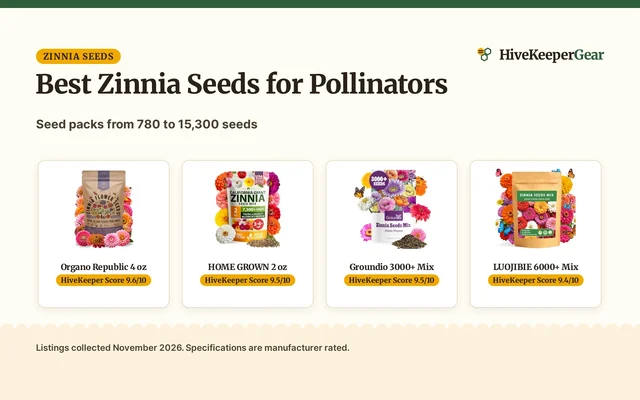
Zinnia seeds give you a single flower type, grown in a mix of colors, for cutting. A pollinator mix blends many flower kinds, which can spread bloom across the season. The packets here are all zinnia mixes, and the SVI listing calls its packet a pollinator seed mix and a wildflower seeds mix, with nectar-rich blooms for butterflies and bees. If you want a bed of a single flower for cutting, pick a zinnia packet; if you want many kinds in a single sowing, a pollinator mix is the better shape, and the pollinator seed mix for beekeepers picks compare mixes made for apiaries.
Seed count and coverage
Compare the coverage each listing states, not the seed count alone. The Cut and Come Again packet holds 4,000+ seeds for 125 square feet, and the California Giants packet holds 3,000+ seeds for 75 square feet. The Almanac packet holds approx 200 seeds in a 1 gram packet, with no stated coverage, while the SVI packet does not state a count or coverage.
Germination and bloom time
Only the SVI listing states germination days: 7–14 days in warm soil, with blooms from early summer through fall. The other listings claim high germination rates but give no days, so pick the SVI packet when you want a stated sprouting window. The SVI listing calls its zinnias a fast growing annual, and the Cut and Come Again listing says the more you cut, the more they bloom.
Cut flowers or bee forage
For cutting, look for long stems and repeat blooms. The SVI listing describes tall stems that do not require staking, with excellent cut and come again performance for bouquets and vases. The Cut and Come Again listing says the more you cut, the more they bloom, with a steady supply of flowers all season long. For bee forage, the Almanac listing says butterflies, bees and hummingbirds love the big, boldly colored blooms, and the best zinnia seeds for pollinators picks compare more packets by what they offer bees. The SVI listing also states the zinnias resist deer, which matters where deer pass through the yard.
FAQs for beekeepers
Will zinnias bring bees to the garden?
Yes, per the listings. The SVI packet describes nectar-rich blooms that attract butterflies and bees all season, and the Almanac listing says butterflies, bees and hummingbirds love its big, boldly colored blooms.
How many seeds come in a packet?
It varies by packet. The Almanac packet holds approx 200 seeds, the California Giants packet holds 3,000+ seeds, and the Cut and Come Again packet holds 4,000+ seeds. The SVI packet does not state a seed count.
How much ground will a packet cover?
The California Giants packet covers 75 square feet, and the Cut and Come Again packet covers 125 square feet. The Almanac and SVI packets do not state coverage.
How long do zinnia seeds take to germinate?
The SVI listing states 7–14 days in warm soil. The other listings claim high germination rates but do not state a number of days.
Do zinnias need full sun?
The SVI listing says cactus zinnias thrive in full sun with average to dry soil and need minimal maintenance. The other listings do not state sun or soil needs.
More hive guides
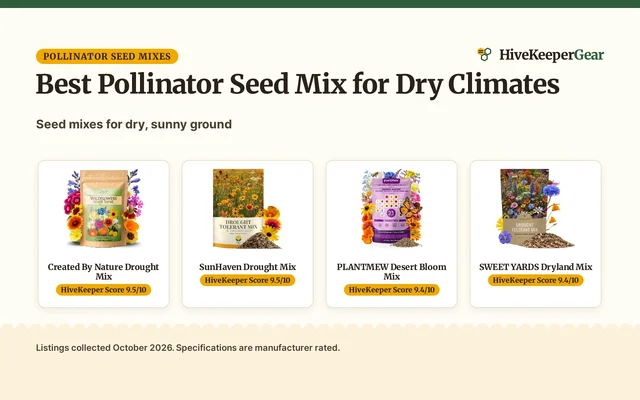
Browse every guide by category: beehives, hive tools and honey harvesting. For more planting picks, see the best zinnia seeds for pollinators and best pollinator seed mix for apiaries guides.