Brass Zipper vs Plastic Zipper Bee Suit: Which One Should You Buy?
A practical comparison of brass and plastic bee suit zippers, examining metal tooth durability, propolis fouling, wash care, and apiary reliability.

On this page
Top picks at a glance
As an Amazon Associate I earn from qualifying purchases.
- 1
 3-Layer Ultra Ventilated Sting Proof Bee Suit for Men & Women9.7/10View on Amazon
- 2
 ANDES 3-Layer Mesh Ventilated Bee Suit with 2 Veils &9.7/10View on Amazon
- 33-Layer Ultra Ventilated Sting Proof Bee Suit for Men & Women9.7/10View on Amazon
- 4
 Humble Bee 410 Polycotton Beekeeping Suit with Round VeilView on Amazon
- 5
 Humble Bee 430 Ventilated Beekeeping Suit with Round VeilView on Amazon
- 6
 3-Layer Ventilated Beekeeper Suit Veil Ventilated MeshView on Amazon
- 7
 Brutul Bee 3 Layer Beekeeping Ultralight Ventilated Suit WithView on Amazon
- 8
 VIVO Professional XL Beekeeping Suit JacketView on Amazon
- 9VIVO Professional L Beekeeping Suit WhiteView on Amazon
During a warm afternoon inspection at the height of the nectar flow, the last thing you want to fight is a jammed slider when suiting up beside the hives. When deciding between a brass zipper vs plastic zipper bee suit, metal brass closures are the better choice for most beekeepers because their metal teeth withstand heavy apiary strain, resist hot smoker heat, and hold alignment even when sticky propolis gums up the track. Plastic coil and molded synthetic zippers pull smoothly when new and never corrode, but they risk warping near heat, can strip teeth under tension, and become difficult to clear once wax and tree resins harden along the track or in synthetic coils. This guide compares metal and synthetic closures across apiary durability, cleaning, fabric tension, and long-term hive yard reliability.
Other hives and gear to compare
 Humble Bee 410 Polycotton Beekeeping Suit with Round VeilCheck price on Amazon
 Humble Bee 430 Ventilated Beekeeping Suit with Round VeilCheck price on Amazon
 3-Layer Ventilated Beekeeper Suit Veil Ventilated MeshCheck price on Amazon
 Brutul Bee 3 Layer Beekeeping Ultralight Ventilated Suit WithCheck price on Amazon
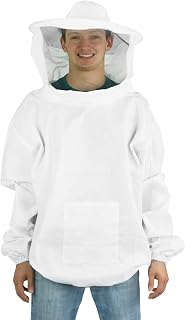 VIVO Professional XL Beekeeping Suit JacketCheck price on Amazon
- VIVO Professional L Beekeeping Suit WhiteCheck price on Amazon
HiveKeeperGear earns a commission when you buy through links on this site, at no extra cost to you. As an Amazon Associate I earn from qualifying purchases. Affiliate disclosure.
Before you choose: why suit closures matter
A beekeeping suit is only as dependable as its closures. While heavy cotton duck or ventilated mesh shields your skin across the chest and back, zippers close the openings where guard bees naturally congregate: around the collar, along the chest seam, and down the ankles. When inspecting active colonies during a heavy honey flow or an autumn robbing spell, a separated zipper leaves an open doorway straight into the suit.
Apiary work places severe lateral strain on garment seams during crouching, lifting hive boxes, and kneeling. Simultaneously, bees coat hive equipment with sticky propolis that transfers from gloves onto zipper tracks. Selecting the right zipper hardware determines whether your protective suit lasts for multiple seasons or fails in the bee yard.
Brass zipper vs plastic zipper bee suit: how the closures compare
Understanding the functional differences between brass metal teeth and synthetic plastic closures helps you match hardware to your inspection style and climate. The comparison below outlines how both zipper designs perform across critical apiary demands.
| Feature | Brass Metal Zipper | Plastic Coil or Molded Zipper |
|---|---|---|
| Tooth Material | Solid brass alloy teeth clamped to heavy tape | Molded synthetic teeth or continuous polyester coil |
| Heat Tolerance | Resists smoker canister heat and stray embers | Can soften, warp, or melt upon contact with heat |
| Propolis Handling | Teeth push through resin; surface cleans easily | Coils and synthetic teeth can trap resin and jump track |
| Corrosion Resistance | Resists iron rust; can tarnish or corrode in salt air | Immune to rust, moisture, and salt corrosion |
| Crosswise Tension | Interlocking metal teeth resist bursting under load | Synthetic coils may separate when bending or lifting |
| Laundering Care | Follow garment label (wash cold or hand wash); line dry | Follow garment label; avoid heated dryer cycles |
| Weight and Flex | Substantial feel with structured garment lines | Lightweight construction with flexible drape |
| Apiary Longevity | Engineered for years of repeated colony checks | Suited for light backyard use and gentle handling |
Tooth construction and structural strength
The primary difference between these closures lies in how interlocking teeth are manufactured and attached to the fabric tape. Brass zippers feature individual teeth formed from solid brass alloy and clamped along the reinforced edge of woven tape. Because brass is a tough, low-friction metal alloy, the slider engages the teeth firmly while providing exceptional tensile strength. When pulled shut, each metal tooth mechanically keys into its neighbor, creating a rigid barrier that resists bursting open under crosswise pressure.
In contrast, plastic zippers use either molded plastic teeth or continuous synthetic coils. Molded plastic zippers feature individual teeth formed from polyacetal resin, while coil zippers use a spiral of polyester filament stitched into place. While synthetic zippers offer a lightweight feel and flexible drape, plastic lacks the shear strength of brass alloy. Heavy lateral tension can cause synthetic teeth to deform or pull away from stitching, creating gaps that compromise bee protection.
Propolis, wax, and apiary fouling
Bees use propolis to seal cracks and cement frames, and this sticky resin readily transfers from hive tools and goatskin gloves onto your suit. When propolis smears onto a zipper, the mechanical design of the closure dictates how the hardware responds.
Brass metal zippers handle propolis fouling far better than synthetic coils. Because individual brass teeth have smooth faces and open space between them, the metal slider pushes through dried wax and resin as it advances. If propolis hardens along the track, it can be scraped away or cleaned with rubbing alcohol without damaging the metal teeth. By contrast, synthetic coil zippers feature tightly wound filament loops that trap propolis deep inside the spiral. Forcing a slider across a resin-coated coil zipper can strip teeth or split the spiral. For example, FOREST BEEKEEPING SUPPLY specifies heavy-duty YKK brass zippers and reinforced seams on its 100% cotton bee suit for easy operation and rust resistance in the field.
Smoker heat and hive tool contact
Working bees requires puffing cool smoke to calm the colony. A smoker barrel reaches high temperatures, and stray embers occasionally drift from the nozzle. In the tight quarters of an apiary, beekeepers routinely hold the smoker between their knees or brush the canister against their hip while manipulating frames.
Brass metal zippers provide complete peace of mind around hot apiary tools. Brass has a high melting threshold that easily withstands contact with a hot smoker canister or drifting ember without distorting, though surrounding fabric tape always requires care near heat. Plastic zippers, however, are vulnerable to heat damage. The polyester filament in coil zippers and polyacetal plastic in molded teeth soften and melt quickly when exposed to hot metal. Brushing an active bee smoker against a plastic zipper track can instantly fuse teeth together, ruining the closure. Similarly, sharp edges of a hive tool can nick plastic teeth during pocket storage, whereas brass hardware withstands accidental scrapes.
Laundering, maintenance, and fabric strain
Protective suits require regular laundering to remove sweat, dirt, and alarm pheromones left behind by defensive bees. Proper cleaning preserves fabric integrity and maintains colony calm during inspections. Reference listing specifications detail proper garment care: FOREST BEEKEEPING SUPPLY specifies pre-shrunk, sanforized, and mercerized cotton for its suits, instructing keepers to machine-wash cold and hang dry. Humble Bee specifies hand wash only for its 410 polycotton suit, which features a medium-weight 50% cotton and 50% synthetic blend weighing 280 gsm with brass zippers. ECKXCH lists a machine-washable cotton blend composed of 65% cotton and 35% polyester.
For brass zippers, washing in cold water protects both the fabric tape and metal alloy. While brass does not contain iron and will not form red rust, prolonged exposure to moisture or salt can cause surface oxidation and tarnish, making thorough drying essential. High tumble dryer heat can shrink woven tape around brass teeth, causing the track to pucker and stiffen slider movement. Rubbing clean beeswax along brass teeth keeps the slider gliding smoothly. Plastic zippers handle washing without corrosion, but heated dryer cycles can warp synthetic coils.
Veil attachments and ankle closures
A full beekeeping suit relies on closures across critical points: the neck collar where the veil attaches, the center front entry, and leg openings at the ankles.
The neck and veil closure is the most critical junction on any suit. Whether using a fencing veil or round veil, the zipper track must close tight with zero gaping. Brass veil zippers provide positive mechanical engagement that stays firmly interlocked when turning your head. Listings like Humble Bee feature self-supporting round veils fastened with heavy-duty brass zippers, backed by a deluxe canvas carrying case and a 2 Year Manufacturer warranty. Ankle closures also endure constant contact with dirt, wet grass, and footwear. FOREST BEEKEEPING SUPPLY specifies 12-inch leg openings on its suit to make it easy to wear over boots and remove quickly, alongside heavy-duty YKK brass hardware. Plastic leg zippers in this position collect grit, causing sliders to bind prematurely.
Which zipper closure fits your bee yard?
Selecting between brass and plastic closures depends on inspection frequency, handling habits, and apiary conditions.
Choose a brass zipper bee suit if you:
- Manage multiple colonies or plan to expand your apiary over several seasons.
- Regularly use a smoker and want hardware immune to canister heat and stray embers.
- Value rugged durability when lifting heavy hive boxes and crouching beside hives.
- Prefer heavy fabrics such as 100% cotton or polycotton blends like the 280 gsm cloth used by Humble Bee.
- Need reliable hardware that clears propolis and wax buildup without stripping teeth.
Choose a plastic zipper bee suit if you:
- Maintain a small backyard hive with infrequent, gentle inspections.
- Prioritize a lightweight feel with maximum garment drape and flexibility.
- Operate in humid coastal areas where salt air can corrode or bind metal zipper sliders.
- Exercise strict caution with smoker placement and hive tool handling.
FAQs for beekeepers
Can bees sting through a suit zipper?
Bees cannot sting through the solid metal teeth or synthetic coil of a closed zipper. Openings only occur if a slider is left partially unzipped or if teeth separate under strain, which is why protective suits include fabric backing flaps and hook-and-loop covers over collar slider stops.
How do you remove propolis from a bee suit zipper?
To clear propolis from brass teeth, scrub the track gently with warm soapy water and a soft bristle brush, or spot-clean stubborn resin with rubbing alcohol on a rag. After cleaning, glide a block of clean beeswax along the metal teeth to keep the slider pulling smoothly.
Do brass zippers rust on beekeeping suits?
Brass contains copper and zinc rather than iron, meaning it will not develop red iron rust. However, brass can oxidize, tarnish, or develop verdigris if left damp or exposed to salt air. Hanging the suit to dry thoroughly after washing and storing it in a dry location protects the metal from corrosion.
Why do plastic zippers split or separate on bee suits?
Plastic coil zippers separate when lateral pressure exceeds the holding strength of the synthetic filament, particularly when lifting heavy boxes or crouching. If propolis or grit lodges between coils, the slider can jump alignment, causing teeth to burst open behind the pull.
Are brass zipper suits heavier than plastic zipper suits?
Metal brass hardware adds only a minor amount of weight compared to plastic closures, which is negligible across an entire suit. In reference listings, stated weights vary widely by size and cut: Humble Bee lists 14.4 ounces for its Medium 430 suit and 3.9 pounds for its 3X-Large 410 polycotton suit, while ECKXCH lists 2.5 pounds for its Large suit. Across all designs, fabric weight and garment dimensions account for the bulk of total heft rather than zipper hardware.
More hive guides
See every bee suits guide and all protective gear guides.
More protective gear guides: compare our cotton vs ventilated bee suit, bee suit vs bee jacket, and heavy duty bee suit vs lightweight suit guides. Looking for full suit ratings? See our guide to the best bee suit. New to beekeeping? Start with our checklist of beekeeping supplies for beginners.