Heavy Duty Bee Suit vs Lightweight Suit: Which One Should You Buy?
Compare heavy duty and lightweight bee suits by fabric thickness, weight, ventilation, and sting defense to find the right protection for your seasonal hive work.

On this page
Top picks at a glance
As an Amazon Associate I earn from qualifying purchases.
- 1
 3-Layer Ultra Ventilated Sting Proof Bee Suit for Men & Women9.7/10View on Amazon
- 2
 LONGADS Bee Suit for Men9.6/10View on Amazon
- 3
 ECKXCH Full Body Bee Suit with Fencing Veil and Gloves9.6/10View on Amazon
- 4
 Brutul Bee 3 Layer Beekeeping Ultralight Ventilated Suit WithView on Amazon
- 5
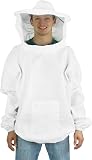 VIVO Professional L Beekeeping Suit WhiteView on Amazon
- 6VIVO Professional XL Beekeeping Suit JacketView on Amazon
- 7
 VIVO Professional White XXL Beekeeping SuitView on Amazon
- 8
 Humble Bee 410 Polycotton Beekeeping Suit with Round VeilView on Amazon
- 9
 3 Layer Ventilated Bee Suit for Men & WomenView on Amazon
During a midsummer hive inspection when the honey flow is peaking and the sun beats down on the apiary, choosing a heavy duty bee suit vs lightweight suit comes down to balancing puncture defense against heat exhaustion. If you manage defensive colonies, perform cutouts, or prioritize maximum fabric thickness, buy a heavy duty suit; if you handle routine backyard checks in high heat, buy a lightweight suit that allows easier movement and cooler wear. We compared published listing specifications across fabric weights, layer counts, and ventilation features to show how each style behaves in the yard. Here is how these protective suit styles differ and how to pick the right suit for your apiary.
Other hives and gear to compare
 Brutul Bee 3 Layer Beekeeping Ultralight Ventilated Suit WithCheck price on Amazon
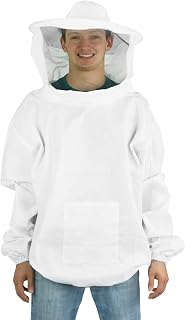 VIVO Professional L Beekeeping Suit WhiteCheck price on Amazon
- VIVO Professional XL Beekeeping Suit JacketCheck price on Amazon
 VIVO Professional White XXL Beekeeping SuitCheck price on Amazon
 Humble Bee 410 Polycotton Beekeeping Suit with Round VeilCheck price on Amazon
 3 Layer Ventilated Bee Suit for Men & WomenCheck price on Amazon
HiveKeeperGear earns a commission when you buy through links on this site, at no extra cost to you. As an Amazon Associate I earn from qualifying purchases. Affiliate disclosure.
Heavy duty bee suit vs lightweight suit: comparison overview
Every beekeeper wants confidence when opening a hive, but protection takes distinct paths in modern bee gear. A heavy duty bee suit relies on physical barrier thickness to keep stingers away from skin. This defense comes either through heavy, tightly woven cotton canvas or through multi-layer ventilated mesh that creates physical separation from your body. Because the fabric is robust, heavy duty suits resist snags from brambles, hive staples, and rough box corners, making them standard equipment for apiary relocations and defensive colonies.
In contrast, a lightweight bee suit prioritizes breathability, reduced garment weight, and yard agility. Built from lighter cotton blends or thin polycotton weaves, a lightweight suit drapes loosely over everyday clothing. It relies on loose drape rather than fabric bulk to prevent stings. For hobbyists with gentle backyard colonies who inspect regularly during summer afternoons, a lightweight suit prevents overheating and reduces fatigue while lifting heavy honey boxes.
| Feature | Heavy Duty Bee Suit | Lightweight Bee Suit |
|---|---|---|
| Fabric Construction | Tightly woven heavy cotton or 3-layer mesh | Single-layer lightweight polycotton blend |
| Stated Fabric Thickness | Up to 0.52mm cotton or 4mm 3-layer mesh | Thin single layer (weave thickness not stated) |
| Garment Weight | 3.31 to 4.13 pounds | 1.65 to 2.6 pounds |
| Airflow and Cooling | Moderate in solid cotton, high in 3-layer mesh | High breathability through thin fabric |
| Sting Defense Strategy | Fabric depth and puncture resistance | Loose fit and physical drape |
| Best Inspection Role | Defensive colonies, swarm removals, and long apiary sessions | Routine inspections and quick hive checks |
Fabric thickness and puncture resistance
The primary purpose of protective gear is preventing bee venom from reaching living skin. A honeybee stinger measures only a fraction of an inch, so creating a physical barrier thicker than that stinger prevents punctures even when an agitated bee lands directly on the suit. Heavy duty suits achieve this defense through heavy textile construction. For example, the ANDES suit listing specifies a 0.52mm fabric thickness made from a 280GSM weave of 90% cotton, which the maker notes is thicker than standard 0.40mm beekeeper suits. That tight weave resists stinger penetration across the back, shoulders, and chest where fabric naturally rests against the body.
Ventilated heavy duty suits take a multi-layer approach to achieve depth. The Brutul Fight listing specifies 3 layers with a total thickness of 4mm, combining outer polycotton layers with a thick middle latex mesh. Even when the suit presses against your skin while bending over a deep brood box, the 4mm depth exceeds the reach of a stinger. Beekeepers interested in comparing solid fabric against mesh can explore our cotton vs ventilated bee suit comparison.
Lightweight suits rely on a different protection philosophy. The ZMHBKPS suit listing describes a single-layer build using 65% cotton and 35% polyester. Because this fabric is thin, it lacks the depth of heavy duty options. If the fabric pulls tight across your shoulders when lifting a brood chamber or stretches taut against your knees when kneeling, a bee can sting through the cloth. Beekeepers wearing lightweight suits rely on a loose, roomy cut and wear light clothing underneath to maintain an air gap between fabric and skin.
Ventilation and heat management in summer apiaries
Beekeeping reaches its busiest pace during warm weather when colonies build comb, store nectar, and swarm. Working hives under direct sun quickly leads to sweating and fatigue. Overheating often causes beekeepers to rush inspections, leading to jerky hand motions that upset the bees. Balancing protection with airflow is therefore essential for calm hive management.
Lightweight suits excel in warm weather because their thin fabric allows body heat to dissipate naturally. A lightweight cotton or polycotton suit feels like wearing loose work coveralls, allowing easy evaporation without heavy bulk. For short morning inspections or checking a single backyard hive, lightweight gear keeps you comfortable and focused.
Traditional solid heavy duty cotton suits, while tough, trap body heat and can feel stifling during long summer inspections. However, modern heavy duty gear addresses heat through ventilation. For instance, the USKEEPERS listing describes a 3-layer ventilated suit using 100% polyester mesh and polycotton fabric that allows breezes to pass freely through the suit while keeping bees away from skin. Similarly, the ANDES listing features dedicated chest, back, and arm ventilation panels to release body heat while preserving solid cotton protection. Beekeepers working in humid climates can read our ventilated bee suits guide to see how mesh designs perform under high heat.
Garment weight, fatigue, and yard mobility
The physical weight of your gear influences how comfortably you work through an apiary checklist. Beekeeping involves carrying heavy boxes, bending over brood chambers, and walking across uneven yard terrain. Over several hours, a heavy garment increases physical strain.
Lightweight suits offer clear advantages in total weight. The LOVJOYSE suit listing publishes an item weight of 1.65 pounds, providing a lightweight barrier that feels virtually weightless during hive tasks. Similarly, the ZMHBKPS suit listing states an item weight of 2.6 pounds for its full body suit. This low weight allows natural freedom of movement and makes lightweight suits easy to fold into a compact bundle for transport.
Heavy duty suits carry substantially more weight due to dense fabric, robust zippers, and reinforced wear points. The Bee Smart 600 listing shows a package weight of 3.31 pounds for its heavy duty design. The ANDES suit listing publishes an item weight of 4.13 pounds, reflecting its heavy 280GSM cotton cloth, metal hardware, and included accessories. While 4.13 pounds feels noticeable on the shoulders during a long afternoon, many beekeepers gladly accept the weight for the security it provides when opening defensive hives.
Veil styles, zippers, and apiary seals
Even the heaviest fabric fails if bees find gaps at your neck, wrists, or ankles. Both heavy duty and lightweight suits incorporate sealing mechanisms, but heavy duty gear generally features sturdier hardware designed for frequent use and repeated wash cycles.
Veil design directly affects visibility and head protection. Fencing veils offer a sleek profile that folds flat, while round veils hold mesh away from the face on all sides. Some suit packages provide multiple veil styles for flexibility. For example, the ANDES suit includes an interchangeable fencing veil with a 270-degree view and a round veil with a 360-degree panoramic view. Exploring our fencing veil vs round veil guide clarifies which veil shape fits your inspection habits.
Hardware quality is another differentiator between suit grades. Heavy duty suits frequently use metal zippers that glide smoothly and resist catching on fabric tape. The USKEEPERS listing highlights extra strong antique brass zippers along the front and legs, including 12-inch leg zippers that allow beekeepers to pull the suit on over boots. The USKEEPERS listing also includes eight pockets for hive scrapers and small supplies. Both suit styles utilize elastic bands and hook-and-loop closures at the wrists and ankles, and thumb loops help sleeves stay down when sliding into beekeeping gloves.
How to choose between heavy duty and lightweight suits
Choosing between a heavy duty bee suit and a lightweight suit depends on your colony temperament, local climate, and experience level in the bee yard. Matching the garment to your specific yard conditions ensures you stay protected without suffering from unnecessary heat exhaustion.
Choose a heavy duty suit if:
- You manage colonies known for defensive behavior or work with feral cutouts and swarm removals where bee temperament is unknown.
- You inspect in early spring or late fall when cooler ambient temperatures make heavier garments comfortable.
- You are a beginning beekeeper seeking peace of mind while developing smooth, calm frame handling techniques.
- You prioritize rugged fabric that withstands blackberry thorns, rough wooden hive edges, and frequent laundering.
Choose a lightweight suit if:
- You keep gentle European honeybee colonies in a suburban backyard and conduct routine weekly checks.
- Your apiary experiences intense summer heat where staying cool is critical for safety and focus.
- You frequently walk between distant hive stands and prefer a suit that packs small and adds minimal garment weight.
- You already own a bee jacket and want a full suit for occasional full-body coverage without spending extra on heavy gear.
Whichever style you select, correct sizing is critical. A suit that fits too snugly across the back or shoulders compromises safety by pulling fabric tight against the skin. Checking our bee suit size chart helps you choose a roomy fit that maintains an insulating air barrier. For beekeepers who prefer upper-body protection only, our beekeeping jackets guide compares lighter options with built-in veils, while our complete beekeeping suits guide covers full-body designs.
FAQs for beekeepers
Can bees sting through a lightweight bee suit?
A lightweight single-layer suit relies on loose drape rather than fabric depth to keep bees away from skin. If lightweight cotton or polycotton fabric pulls tight against your shoulders or knees during hive work, a bee stinger can reach through the material. Wearing a loose underlayer helps maintain spacing when using lightweight protective gear.
How much does a heavy duty bee suit weigh compared to a lightweight suit?
Published listings show lightweight suits weigh between 1.65 pounds on the LOVJOYSE model and 2.6 pounds on the ZMHBKPS model. Heavy duty options weigh noticeably more, such as the Bee Smart 600 at 3.31 pounds or the ANDES heavy duty suit at 4.13 pounds. The added weight comes from denser cotton weaves or multi-layer mesh construction.
Is a 3-layer ventilated suit considered heavy duty or lightweight?
A 3-layer suit functions as heavy duty protection due to its physical depth, such as the 4mm thickness listed for the Brutul Fight suit. The middle mesh layer keeps stingers from reaching skin even when the fabric touches your body. While the USKEEPERS listing categorizes its 3-layer fabric weight class as lightweight because breezes pass through, the physical bulk and multiple zippers place it alongside heavy duty gear.
Which suit style is better for hot summer hive inspections?
A lightweight suit provides easier movement and less physical fatigue during quick backyard checks in warm weather. However, ventilated 3-layer suits allow breezes to reach your body through open mesh panels. For long apiary sessions in high heat, ventilated suits often feel cooler than solid heavy duty cotton despite their greater weight.
Should beginner beekeepers choose a heavy duty or lightweight bee suit?
Beginners often feel more confident in a heavy duty suit or a 3-layer ventilated model because the added thickness forgives slow or awkward frame handling. As you develop calm hive habits and learn to inspect without pinching bees, a lightweight suit becomes a practical choice for routine yard maintenance. Checking our bee suit size chart guide helps ensure a proper loose fit in either style.
More hive guides
See every bee suits guide and all protective gear guides.
More picks: ventilated bee suits, beekeeping jackets, and beekeeping gloves.