Electric Hive Heater vs Winter Wrap: Which One Should You Buy?
A practical comparison of electric hive heaters and winter wraps, exploring active heating versus passive insulation to help you protect winter honey bee colonies.

On this page
Top picks at a glance
As an Amazon Associate I earn from qualifying purchases.
- 1
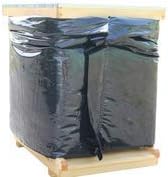 Bee Cozy Winter Bee Hive WrapView on Amazon
- 2
 2 Pack Winter Bee Hive Wrap for 10 and 8 Frame BeehivesView on Amazon
- 3
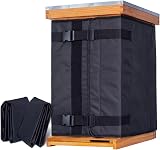 MayBee 2 Pack Winter Bees Wrap for 10 and 8 Frame BeehivesView on Amazon
- 4
 Winter Bee Hive Wrap for 8/10 Frame HivesView on Amazon
- 5
 Extra Long Bee Hive Wraps for Winter 78" x 23.2" for 10&8View on Amazon
- 6
 Bee Hive Wraps for Winter 78" x 18.5" for 10&8 Frame Bee HiveView on Amazon
As late autumn frosts settle across the bee yard and foragers finish their final cleansing flights, beekeepers face the choice of an electric hive heater vs winter wrap to help colonies survive freezing weather. We compared active heating elements with passive outer insulation across colony safety, moisture control, power dependency, and winter cluster dynamics. For most backyard apiaries, a breathable winter wrap is the safer and more dependable choice, whereas electric hive heaters carry distinct operational risks that require cautious management.
Other hives and gear to compare
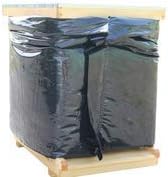 Bee Cozy Winter Bee Hive WrapCheck price on Amazon
 2 Pack Winter Bee Hive Wrap for 10 and 8 Frame BeehivesCheck price on Amazon
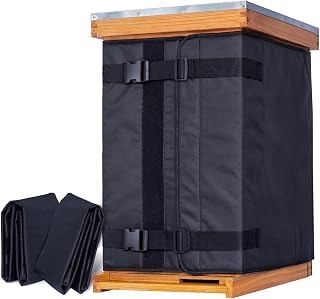 MayBee 2 Pack Winter Bees Wrap for 10 and 8 Frame BeehivesCheck price on Amazon
 Winter Bee Hive Wrap for 8/10 Frame HivesCheck price on Amazon
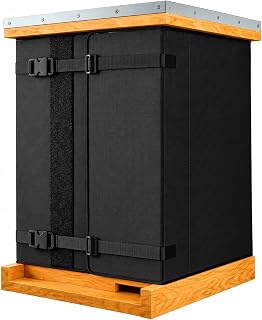 Extra Long Bee Hive Wraps for Winter 78" x 23.2" for 10&8Check price on Amazon
 Bee Hive Wraps for Winter 78" x 18.5" for 10&8 Frame Bee HiveCheck price on Amazon
HiveKeeperGear earns a commission when you buy through links on this site, at no extra cost to you. As an Amazon Associate I earn from qualifying purchases. Affiliate disclosure.
Understanding winter cluster biology
To evaluate winter equipment fairly, beekeepers must understand how honey bees survive freezing temperatures. Unlike mammals, a honey bee colony does not heat the entire interior cavity of the hive. Instead, worker bees gather into a tight spherical cluster surrounding the queen. Bees on the outer shell of the cluster pack tightly together with heads facing inward, forming an insulating mantle that traps warmth. Inside that living barrier, bees consume stored honey and flex flight muscles to produce heat.
Because bees warm the cluster rather than the box, interior air away from the cluster can remain near ambient outside temperatures without causing harm. As long as bees stay dry, enjoy honey stores within cluster reach, and remain shielded from wind drafts, healthy colonies tolerate prolonged cold naturally. Equipment that interferes with this cluster dynamic can inadvertently harm the colony.
Electric hive heater vs winter wrap: key differences
The debate between an electric hive heater vs winter wrap centers on active intervention versus passive protection. An electric hive heater uses powered elements positioned beneath the bottom board, inside the entrance, or under an upper rim to continuously introduce warmth into the brood chamber. In contrast, a winter wrap acts as a passive thermal envelope around exterior wooden boxes, reducing drafts and slowing heat loss while leaving temperature regulation entirely to the bees.
These differing mechanisms create vastly different management demands in the apiary. A wrap requires no electrical cords, operates silently through storms, and avoids introducing continuous artificial heat. An electric heater requires continuous power, careful monitoring, and dry wiring to prevent artificial heat from disturbing colony dormancy.
| Comparison Factor | Winter Wrap | Electric Hive Heater | Apiary Impact |
|---|---|---|---|
| Warming mechanism | Passive insulation envelope | Active electric heating element | Wraps conserve bee heat; heaters add warmth |
| Electrical requirement | None required | Continuous power supply needed | Wraps function anywhere; heaters require outlets |
| Cluster behavior | Preserves natural winter cluster | Can alter or dissolve cluster formation | Heaters risk premature colony activity |
| Moisture handling | Requires unobstructed top venting | Alters internal humidity patterns | Each approach requires upper ventilation to exhaust moisture |
| Wind protection | Blocks drafts through box seams | Does not seal exterior box gaps | Wraps provide superior draft protection |
| Power outage vulnerability | Unaffected by storm outages | Severe risk during power interruptions | Heated colonies risk sudden chill if power fails |
| Yard suitability | Backyard and remote yards alike | Apiaries adjacent to power outlets | Wraps suit any outyard; heaters limit placement |
Winter wraps: passive insulation and wind protection
Winter wraps serve as a protective barrier between cold winds and wooden hive walls. Standard wooden bee boxes offer modest insulation, and wind blowing against exposed box joints can pull warmth directly from the perimeter. A durable exterior wrap covers box seams, minimizes drafts, and provides an extra layer of thermal resistance that helps the winter cluster maintain internal temperatures using less honey.
Most commercial wraps use weather-resistant materials such as insulated synthetic fabrics, closed-cell foam, or durable outer shells. By providing an additional thermal layer around the hive body, a wrap slows the rate at which heat escapes through the wooden walls. This passive buffering moderates rapid temperature swings during cold snaps and helps the colony conserve energy without altering natural seasonal behavior. Choosing a well-fitted winter wrap protects the hive without adding mechanical complexity to the yard.
Passive insulation also aligns seamlessly with specialized hive construction. Beekeepers comparing an insulated bee hive vs standard hive find that passive methods respect natural honey bee instincts. Because insulation does not generate independent heat, the colony remains in charge of its own cluster density, expanding or contracting naturally as ambient weather shifts.
Electric hive heaters: active warmth and yard risks
Electric hive heaters attempt to reduce winter losses by elevating ambient temperatures within the hive. Manufacturers design these heating plates or cables to add gentle heat or maintain temperatures above freezing, theoretical insurance against extended deep freezes. While warming a cold space sounds helpful, active heating introduces serious biological and physical risks.
A primary biological concern is cluster disruption. If an internal heater warms the brood chamber above ambient winter temperatures, the colony may not form or maintain a normal winter cluster. Increased warmth elevates worker metabolism, accelerating the consumption of stored honey reserves. If warmth stimulates the queen to begin brood rearing prematurely, the colony must expend substantial energy maintaining brood temperatures, increasing the risk of running out of stores before spring forage becomes available.
Additionally, localized warmth near the entrance can mislead bees into attempting cleansing flights when exterior air temperatures remain dangerously cold, leading to flight losses in the snow.
Equipment reliability presents another practical hurdle. Running power cords through winter precipitation introduces electrical short risks, and rodents seeking shelter in the yard can chew through wiring. More critically, reliance on active heat creates vulnerability to winter power outages. If power fails during an extreme cold spell, a colony that has expanded its brood nest or relaxed its cluster cannot easily adapt to the sudden temperature drop.
Moisture management and winter hive ventilation
Experienced beekeepers often observe that cold temperatures rarely kill healthy bees, but moisture dripping on cold bees can prove fatal. As worker bees consume honey to produce heat, respiration generates significant moisture vapor. In an unventilated hive, this warm, humid air rises toward the top cover. When it contacts a freezing inner cover, the vapor condenses into liquid water, which can drip back onto the cluster and cause severe chilling.
Neither a winter wrap nor an electric heater eliminates the need for adequate ventilation. Wrapping a hive too tightly without an upper exit traps moisture inside, creating moldy comb and damp bees. Effective wintering requires combining a protective wrap with dedicated moisture management tools. Many beekeepers install an upper entrance notch or evaluate an inner cover vs quilt box setup, which allows moisture vapor to pass upward into absorbent wood shavings while conserving heat below.
Lower hive entrances must also be protected from winter wind and rodents without restricting airflow. Installing durable hive entrance reducers for winter restricts drafty gusts and keeps hungry mice out of the warm brood nest while maintaining necessary bottom ventilation.
Winter feeding and cluster access
A colony entering winter with abundant capped honey stores possesses the energy needed to generate heat throughout the cold months. However, prolonged freezing weather can hold a tight cluster in place, making it difficult for bees to move laterally across cold, empty frames to reach distant honey stores. This condition, often termed starvation in place, can occur even when capped honey remains inside the hive.
Passive wraps help buffer the hive interior from rapid outside temperature swings, moderating the cold boundary layer along wooden walls. When supplemental carbohydrates are needed, beekeepers place emergency feed directly above the cluster rather than relying on bees to break formation. Solid bee fondant for winter provides accessible carbohydrates that bees can consume directly above the cluster mantle without introducing liquid moisture into the hive cavity.
Choosing the right approach for your apiary
When deciding between an electric hive heater and a winter wrap, practical apiary conditions and bee biology clearly favor passive insulation for the vast majority of beekeepers. A quality winter wrap provides substantial draft protection, moderates sudden temperature drops, and supports natural clustering behavior without introducing electrical failure points or artificial brood stimuli.
Electric hive heaters should be reserved strictly for specialized, closely monitored applications. Beekeepers maintaining indoor observation hives, rescue colonies in climate-controlled apiary buildings, or scientific study setups with automatic generator backups may find niche utility in active heating. For backyard hives and outyards exposed to winter elements, the simplicity, safety, and biological compatibility of a breathable winter wrap make it the superior choice.
FAQs for beekeepers
Do honey bees need an electric heater to survive freezing winter temperatures?
Honey bees do not require artificial heating to survive severe winter cold. Healthy colonies form a tight winter cluster, consuming stored honey and flexing flight muscles to generate necessary warmth for the cluster core and queen.
Can an electric hive heater cause bees to starve during winter?
Artificial heat can warm the brood chamber and elevate worker metabolism. When bees remain active rather than tightly clustered, they consume honey stores much faster and risk exhausting reserves before spring arrives.
What is the main benefit of a winter wrap on a beehive?
A winter wrap shields the hive from penetrating wind drafts and slows heat loss through wooden box seams. By providing a passive thermal buffer, the wrap helps the colony conserve metabolic energy while maintaining its natural winter cluster.
Does a winter wrap trap excess moisture inside the hive?
A wrap will trap dangerous moisture if upper ventilation is blocked. Beekeepers combine breathable wraps with upper entrances, moisture boards, or quilt boxes to ensure damp air escapes before condensing above the colony.
What happens if power fails while using an electric hive heater?
If a power outage cuts electricity during a severe cold snap, a colony that has relaxed its cluster or expanded its brood nest cannot contract quickly enough to avoid chilling. This sudden drop in chamber temperature can cause rapid colony loss.
More hive guides
Browse every guide by category: hive tools and beehives.
More winter guides: Compare winter wraps, explore inner cover vs quilt box setups, check hive entrance reducers for winter, and review bee fondant for winter.