How to Clean Beekeeping Tools: Step-by-Step Care Guide
Learn how to clean beekeeping tools step by step, removing propolis, wax, and soot from hive tools, smokers, and brushes to keep your apiary gear in working order.

On this page
Top picks at a glance
As an Amazon Associate I earn from qualifying purchases.
- 1
 Perthlin Hummingbird Feeder Cleaning Brush9.6/10View on Amazon
- 2
 Pawfly 18 Pcs Hummingbird Feeder Cleaning Brushes9.6/10View on Amazon
- 3
 KINGSEM 12 PCS Straw Cleaner Brush Kit9.5/10View on Amazon
- 4
 KINGLAKE Steel J Hook Bee Hive Tool Frame Lifter and ScraperView on Amazon
- 5
 KINGLAKE Beekeepers Polished Stainless Steel Hive ScraperView on Amazon
- 6
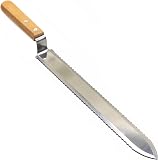 WEICHUAN Stainless Steel Serrated Uncapping Knife BeekeepingView on Amazon
- 7
 Varomorus 12V Oxalic Acid VaporizerView on Amazon
- 8
 TIHOOD 12PCS Small Hive Trap Beehive Beekeeping ToolsView on Amazon
- 9
 Honey Extractor Uncapping Needle Roller for Beekeeping toolView on Amazon
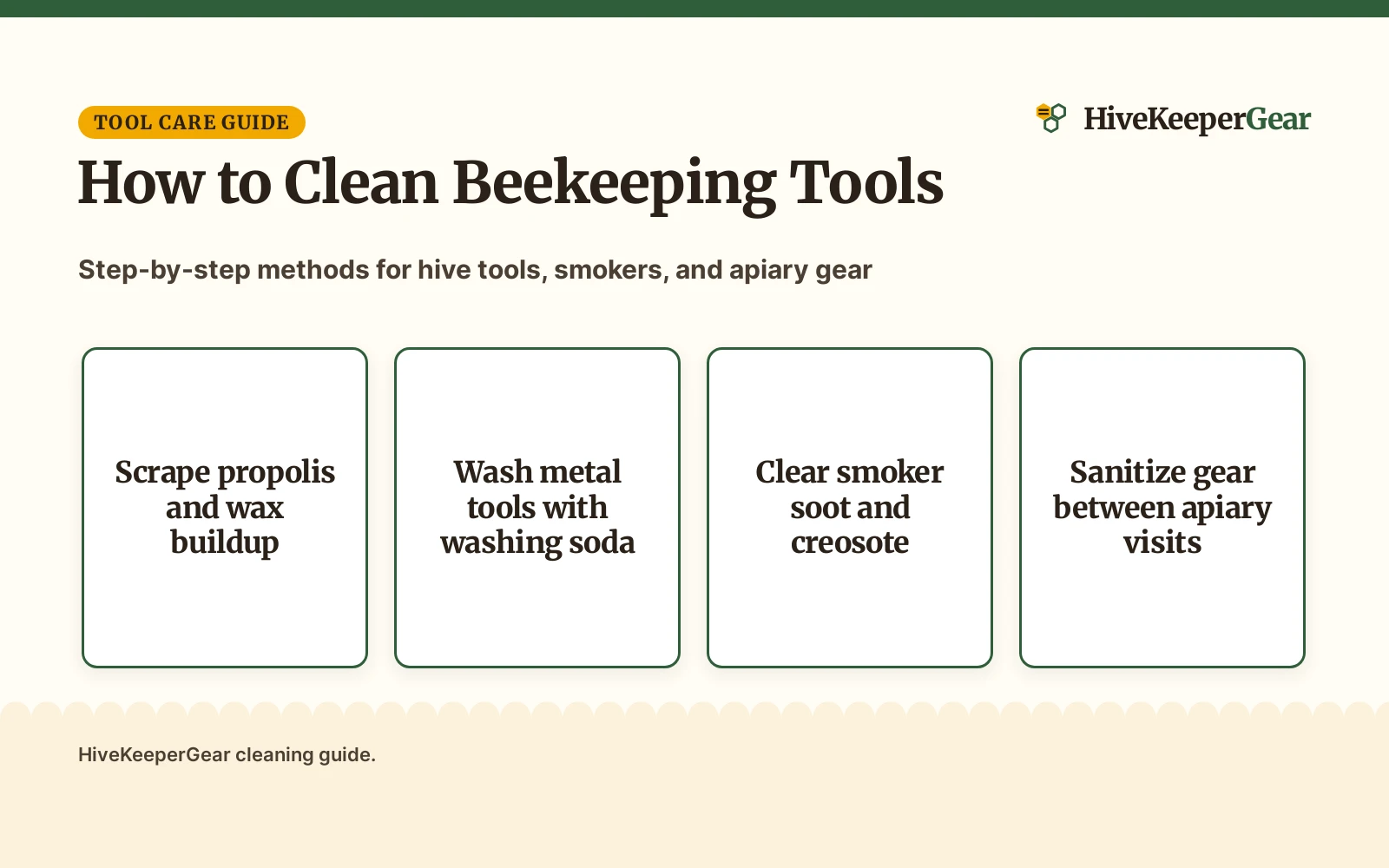
At the end of an apiary inspection, hive tools carry sticky propolis, smoker canisters hold dark soot, and bee brushes collect honey. Learning how to clean beekeeping tools preserves metal equipment and maintains sound apiary hygiene across colonies. Clean beekeeping tools by scraping away hardened wax and propolis, washing metal blades in hot water with washing soda, removing smoker creosote, and sanitizing metal surfaces before visiting another yard.
Other hives and gear to compare
 KINGLAKE Steel J Hook Bee Hive Tool Frame Lifter and ScraperCheck price on Amazon
 KINGLAKE Beekeepers Polished Stainless Steel Hive ScraperCheck price on Amazon
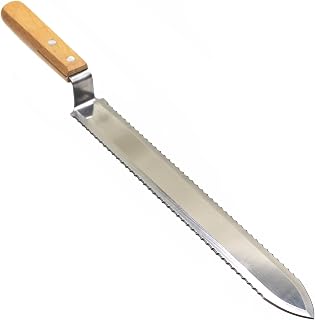 WEICHUAN Stainless Steel Serrated Uncapping Knife BeekeepingCheck price on Amazon
 Varomorus 12V Oxalic Acid VaporizerCheck price on Amazon
 TIHOOD 12PCS Small Hive Trap Beehive Beekeeping ToolsCheck price on Amazon
 Honey Extractor Uncapping Needle Roller for Beekeeping toolCheck price on Amazon
HiveKeeperGear earns a commission when you buy through links on this site, at no extra cost to you. As an Amazon Associate I earn from qualifying purchases. Affiliate disclosure.
Before you clean: apiary hygiene and setup
Propolis and beeswax collect rapidly during hive inspections. While honey dissolves in plain water, tree resins and wax require scraping or alkaline cleaners to remove. Clean tools away from active hives so warm wax scents do not attract robber bees. Check wooden handles for cracks, verify smoker bellows remain intact, and ensure metal prying edges sit straight before washing.
How to clean beekeeping tools: overview and methods
Different apiary tools gather distinct residues and require tailored care. Metal tools tolerate soaking and scraping, smoker bodies require dry scraping, and bee brushes need gentle hand washing. The summary below outlines cleaning methods for core equipment, linking to our dedicated gear guides.
| Tool | Primary buildup | Cleaning method | Our guide |
|---|---|---|---|
| Hive tools | Propolis and beeswax | Scrape residue, soak in washing soda solution, and dry | Hive tools |
| Bee smokers | Soot and creosote | Scrape canister walls, clear grate holes, and wipe exterior | Bee smokers |
| Bee brushes | Honey and pollen dust | Wash bristles in warm soapy water and air dry | Bee brushes |
| Uncapping tools | Wax cappings and honey | Rinse with cold water to remove honey, then wash off wax | Uncapping tools |
| Honey extractors | Honey film and wax flakes | Rinse drum with cold or lukewarm water and air dry | Honey extractors |
| Honey strainers | Wax particles and propolis | Rinse with cold water before washing in warm water | Honey strainers |
Hive tools and frame scrapers
The hive tool pries apart propolized boxes and scrapes burr comb from wooden frames. Thick propolis buildup dulls prying bevels and reduces working leverage. Begin by scraping heavy wax and gum into a waste bucket using another hive tool. Never drop scrapings in the apiary where foraging bees can gather them.
Submerge scraped all-metal hive tools in a bucket of hot water mixed with washing soda. Sodium carbonate cuts tree resins without corroding steel. For tools with wooden handles, soak only the metal blade to avoid swelling the wood. Soak until remaining propolis softens, scrub clean with a stiff bristle brush, rinse with fresh water, and dry completely with a towel to prevent surface rust.
Bee smokers and soot removal
Smokers accumulate soot and creosote from burned fuel. Sticky tar coats canister walls, clogs bottom grate holes, and sticks lids shut. Use a hive tool blade to scrape carbon off interior canister walls and the lid rim. Remove the bottom fire grate and poke through ventilation holes to clear ash. Wipe the exterior with a damp cloth, avoiding water inside the chamber to prevent rust.
Bee brushes and handling gear
Bee brushes require gentle cleaning because boiling water and harsh cleaners damage delicate bristles. Honey deposits make bristles sticky, causing them to roll bees rather than sweeping them smoothly off comb faces. Swish brush bristles in warm water mixed with mild unscented soap, avoiding soaking the wooden handle. Rinse under running water and hang the brush to air dry thoroughly.
Honey harvesting and extraction tools
Harvest tools require food-safe cleaning after extracting honey. Rinse uncapping forks, strainers, and manual extractors with cold water to dissolve honey before cleaning off wax. For electric uncapping knives, always disconnect power and wipe only the blade with a damp cloth, keeping water away from electrical elements and handles. Cold water dissolves honey without melting wax onto stainless surfaces, while warm water helps loosen remaining wax once honey is gone.
Metal tool sterilization and heat methods
Scraping and washing remove visible grime, while heat provides thorough surface sanitation. Stainless hive tools tolerate direct flame, allowing practical field sanitization. Pass a propane torch flame over working edges until residual wax smokes lightly, or place metal ends into a lit smoker fire chamber. Only all-metal tools should be scorched over flame. Allow metal to cool completely before touching hive parts.
Seasonal tool cleaning schedule
Aligning maintenance with seasonal inspections preserves gear efficiently. In early spring, inspect smoker bellows, sharpen hive tool bevels, and wash metal blades before colony inspections begin. During summer nectar flows, keep washing soda solution ready for rinsing tools between apiaries. In autumn, clean harvest extractors, scrape smoker canisters, wash hive tools, and apply food-grade mineral oil before winter storage.
Useful supplies for tool care
- A utility bucket for soaking metal tools in washing soda solution.
- Washing soda or sodium carbonate to soften propolis and cut wax residues.
- Rubbing alcohol in a spray bottle to dissolve sticky resin on prying edges.
- A stiff nylon scrub brush for scouring metal blades without scratching steel.
- Clean cotton rags for drying metal surfaces before storage.
- Food-grade mineral oil to protect unpainted steel from rust.
Keeping these supplies in a portable caddy makes tool sanitation routine after every hive yard visit.
What this guide does not cover
This guide addresses routine cleaning and physical maintenance for standard beekeeping tools. We do not provide colony disease advice, pest treatment protocols, or chemical recommendations. For honey bee health questions, consult your state apiary inspector or local agricultural extension office.
FAQs for beekeepers
How often should beekeeping tools be cleaned?
Scrape hive tools after every inspection. Wash tools with washing soda whenever residue builds up, and sanitize metal edges between different apiaries to maintain hygiene.
Can I use bleach to clean hive tools?
Bleach is generally avoided for stainless steel hive tools because chlorine causes pitting and accelerates metal corrosion. Washing soda solutions, alcohol, or brief flame scorching provide effective cleaning without damaging steel surfaces.
How do you remove stubborn propolis from metal hive tools?
Propolis dissolves in rubbing alcohol, which breaks down sticky resins quickly. A warm solution of washing soda also softens propolis so it can be scrubbed off metal blades with a stiff brush.
How do you clean creosote and soot from a bee smoker?
Scrape soot and creosote from canister walls with a hive tool. Clear grate holes so air flows freely, and avoid washing the chamber interior with water.
Should bee brushes be washed in soapy water?
Wash brush bristles in warm soapy water whenever honey makes them sticky. Rinse thoroughly under running water, shake out moisture, and air dry before storage.
More hive guides
Browse our guides by category: beekeeping tools, hive tools, protective gear, and honey harvesting.
More guides: explore our recommendations for hive tools, bee smokers, bee brushes, and our guide on cleaning bee frames. New to the apiary? Start with our beekeeping equipment list for beginners.