Cleaning Bee Frames for Reuse: Step-by-Step Guide
How to clean bee frames for reuse: scrape propolis, inspect wooden joints, wash plastic foundation sheets, freeze drawn comb, and store boxes safely.

On this page
Top picks at a glance
As an Amazon Associate I earn from qualifying purchases.
- 1
 Medium Beehive Frames and Wax FoundationsView on Amazon
- 2
 BeeCastle 20 Pack Beehive Frames and Waxed Foundations forView on Amazon
- 3
 BeeCastle 10 Pack Beehive Frames and Wax Foundations for DeepView on Amazon
- 4
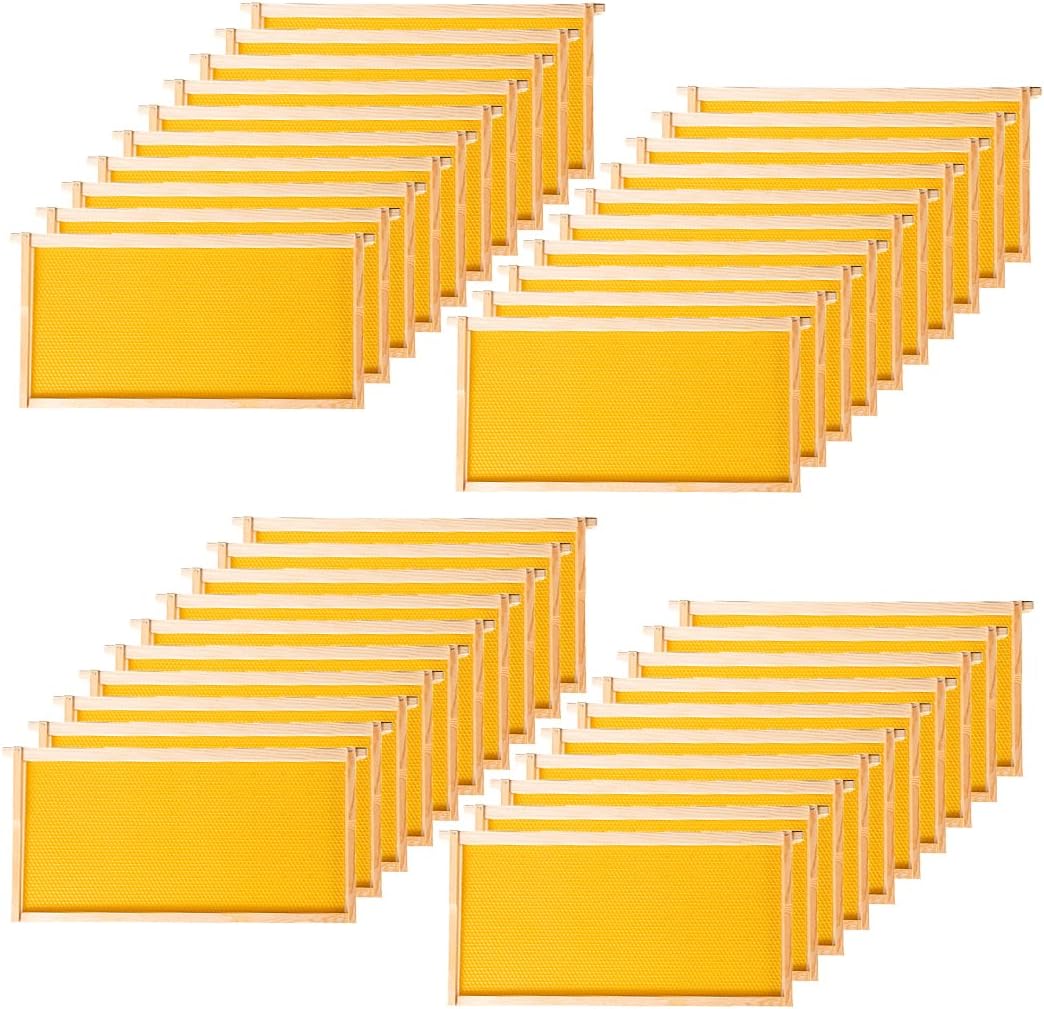 BeeCastle 40-Pack Beehive Frames Bee Hive Frame with WaxedView on Amazon
- 5
 MayBee 10 Pack Beehive Frames with Wax Foundations for DeepView on Amazon
- 6
 BeeCastle 40-Pack Beehive Bee Frames Waxed Foundation withView on Amazon
Cleaning bee frames for reuse involves scraping away excess propolis and burr comb with a hive tool, inspecting wood joints for damage, washing and recoating plastic foundation sheets, and freezing drawn honeycomb to eliminate wax moth pests before storage. Reusing sound wooden frames and drawn wax saves colonies valuable nectar and accelerates spring expansion. This guide explains how to sort, clean, and store your equipment step by step.
Other hives and gear to compare
 Medium Beehive Frames and Wax FoundationsCheck price on Amazon
 BeeCastle 20 Pack Beehive Frames and Waxed Foundations forCheck price on Amazon
 BeeCastle 10 Pack Beehive Frames and Wax Foundations for DeepCheck price on Amazon
 BeeCastle 40-Pack Beehive Frames Bee Hive Frame with WaxedCheck price on Amazon
 MayBee 10 Pack Beehive Frames with Wax Foundations for DeepCheck price on Amazon
 BeeCastle 40-Pack Beehive Bee Frames Waxed Foundation withCheck price on Amazon
HiveKeeperGear earns a commission when you buy through links on this site, at no extra cost to you. As an Amazon Associate I earn from qualifying purchases. Affiliate disclosure.
Cleaning bee frames for reuse
Many beekeepers accumulate stacks of used frames after honey harvesting and seasonal management. Reusing sound frames saves resources, but returning damaged equipment to an active colony risks cross-comb problems. A thorough cleaning routine helps ensure that frames hang plumb, maintain correct bee space, and provide an attractive base for brood and honey.
Before cleaning, sort your frames. Preserve straight wooden bars and sound drawn comb. Strip down plastic foundation with heavy cocoon buildup for recoating. Cull frames with cracked top bars, broken bottom bars, or wood rot, as structural failures during inspections drop heavy comb onto brood.
| Frame Type | Component | Primary Cleaning Method | Related Gear Guide |
|---|---|---|---|
| Deep brood frame | Pine wood frame | Scrape propolis with hive tool, secure joints with nails | Beehive frames |
| Plastic foundation | Food-grade plastic sheet | Scrape old comb, soak in warm water, recoat with beeswax | Plastic foundation |
| Drawn honey comb | Natural beeswax comb | Extract honey, let bees clean residue, freeze comb | Honey extractors |
| Medium super frame | Wooden top and side bars | Scrape burr comb, clean frame rests, store dry | Medium frames |
| Wired wax foundation | Beeswax sheet with wire | Melt damaged wax, clean grooves, install fresh foundation | Wired wax foundation |
Inspecting wooden frame components and dimensions
Wooden frames endure repeated prying and weight loads inside brood boxes and honey supers. Inspect the top bar lugs, which rest on the box rebate and carry the comb weight. The BeeQuestify listing specifies deep wooden frames measuring 9-1/8 inches tall by 19 inches long with a 17-3/4 inch dimension, designed for 8 frame and 10 frame hives. The BEEKNOWS listing specifies medium wooden frames measuring 6-1/4 inches tall by 19 inches long by 17-3/4 inches, built for 8 frame or 10 frame honey supers. The BEEINN listing specifies an 8 frame deep box measuring 14 inches by 19-7/8 inches by 9-5/8 inches, supplied with 8 deep pine wood frames.
Maintaining standard dimensions preserves proper bee space throughout the hive. If corner joints loosen, drive assembly nails through pre-drilled holes to square the connection. Discard frames where wood has split along the nail line or rot has softened the lugs.
Scraping propolis and burr comb with a hive tool
Propolis and burr comb accumulate along frame shoulders, bottom bars, and frame rests over an active season. Removing these deposits restores correct frame spacing and makes future handling easier. Use a sturdy stainless steel hive tool with an angled scraper edge or J hook to scrape frame surfaces clean. Browse our recommendations for the best hive tool or the hive tool with J hook for scraping wax and propolis, or use a tool from our best K frame grips guide to steady frames while working.
Scrape the top bar surface first, pushing the blade smoothly away from your body. Clean the underside of the lugs, the side bars, and the bottom bar grooves. Collect scraped wax and propolis in a bucket rather than dropping debris around the apiary, which can attract foraging bees and provoke robbing behavior.
Cleaning and recoating plastic foundation sheets
Plastic foundation sheets withstand mechanical scraping and warm water washing when brood comb becomes dark or congested with old cocoons. Pop the sheet out of the wooden frame by gently flexing the bars, or scrape it in place on a workbench. Use a flat putty knife or hive tool at a low angle to peel away wax and cocoon layers without gouging the embossed cell pattern beneath.
Wash the scraped plastic sheet in warm water with a soft brush to dissolve residual honey and soften propolis. Do not use boiling water on thin plastic foundation, as high heat can warp its flat profile. While boiling water is unsuitable for plastic sheets, the Hiveaura listing notes dipping wooden hive components in boiling beeswax twice to seal the wood grain. Once dry, recoat the plastic with melted beeswax using a roller or brush so bees accept it promptly and draw uniform worker comb.
Preserving and sanitizing drawn honeycomb
Drawn comb is a valuable asset because bees consume substantial honey reserves to produce fresh beeswax. Preserving drawn comb from honey supers saves colonies energy during subsequent nectar flows. After harvesting honey using tools from our best uncapping knife and best honey extractor guides, return wet supers to the hive above an inner cover so bees can clean the comb dry.
Wax moths are the primary threat to stored comb, as their larvae tunnel through wax and ruin equipment. Freezing is the most reliable non-chemical control. Place drawn frames in a freezer until frozen through to destroy wax moth eggs, larvae, and pupae, then transfer them into pest-proof containers or screened box stacks to prevent re-infestation.
Off-season frame storage and ventilation
Store cleaned, repaired, and frozen frames in a secure environment protected from wax moths and rodents. Organize frames by depth and box compatibility, matching deep frames to deep boxes and medium frames to supers. Review sizing standards in our guides to 10 frame beehive dimensions, 8 frame hive dimensions, and deep hive body dimensions.
Stack hive boxes in vertical columns over a solid base with fine insect-proof mesh covering openings to block pests while allowing airflow. Similar to the 304 stainless steel mesh and four ventilation holes specified in the witbee quilt box listing, screened ventilation releases moisture and deters mold. Store stacks in a cool, dry space and check seals periodically before spring.
When to cull frames instead of cleaning
While cleaning extends equipment life, frames eventually require replacement. Rotate out old brood frames after multiple seasons as repeated cocoon layers reduce cell volume. Retiring worn equipment maintains clean, productive comb architecture throughout your colonies.
Cull wooden frames with broken top bar ears, cracked side bars that cannot hold nails, or rotting wood. Replace foundation sheets if plastic is warped or damaged, as bees draw irregular drone comb over compromised areas. When restocking, listings show standard packages such as a 10 pack from BeeQuestify or a 20 pack from Honey Lake.
FAQs for beekeepers
Can you clean and reuse bee frames with drawn comb?
Yes. As long as drawn comb is structurally sound, beekeepers freeze the comb to destroy wax moth pests and reuse it in brood boxes or honey supers.
How do you clean plastic bee hive frames for reuse?
Scrape old wax and propolis down to the embossed plastic base using a hive tool, wash the sheet in warm water, and brush on fresh melted beeswax before returning it to the hive.
What are bee hive frames made of?
Frames are crafted from pine wood, cedar wood, or durable plastic. Wooden frames hold foundation sheets made of food-grade plastic coated in beeswax or wired sheets of natural beeswax.
What size bee hive frames should be cleaned and reused?
Deep and medium frames are both reusable. The BeeQuestify listing cites deep frames measuring 9-1/8 inches tall by 19 inches long, while the BEEKNOWS listing cites medium frames measuring 6-1/4 inches tall by 19 inches long, fitting 8 frame and 10 frame hives.
How do you put bee hive frames together if wood pieces loosen?
Scrape propolis from the loose joint, square the corner, and drive assembly nails through the top bar and side bar dovetails to restore frame rigidity and ensure it hangs level.
Does freezing bee frames kill wax moth larvae?
Yes. Freezing frames until frozen through destroys wax moth eggs and larvae. Storing treated frames in sealed containers or tightly screened stacks prevents adult moths from laying new eggs.
More hive guides
See every hive frames guide and all beehives guides.
More frame and apiary guides: explore our picks for the best beehive frames, compare types of bee hive frames, check our guide to bee hive frames with plastic foundation, or find the best hive tool for scraping wax and propolis.