J Hook vs Standard Hive Tool: Which One Should You Buy?
Compare the J hook and standard hive tool by prying leverage, frame lifting style, scraping performance, and metal durability to choose the best design for your yard.

On this page
Top picks at a glance
As an Amazon Associate I earn from qualifying purchases.
- 1
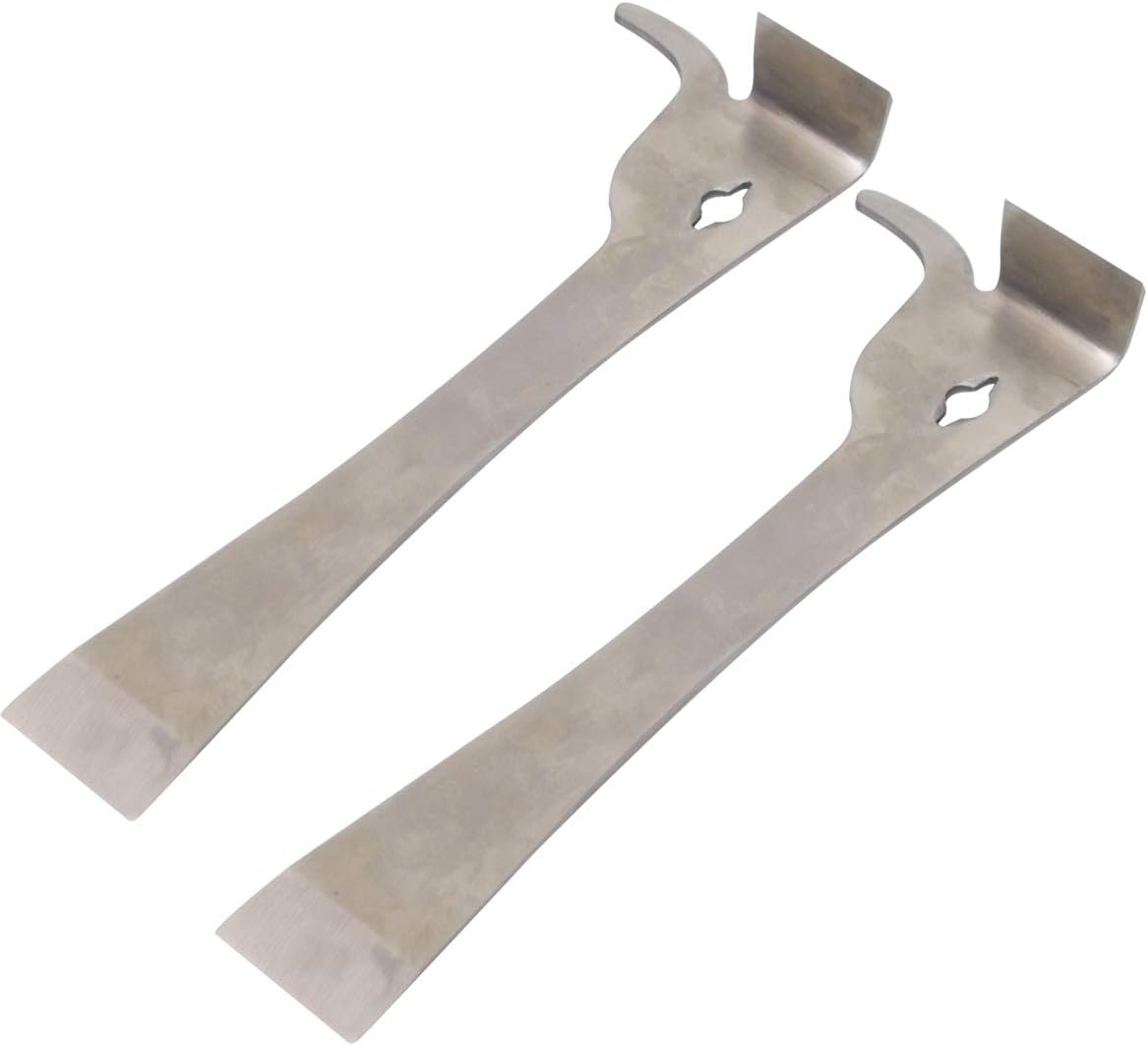 Hive Scraper Tool 2pcs J-Hook Stainless Steel Beekeeping Tool9.7/10View on Amazon
- 2
 EZ Find Pro Hive Tool9.7/10View on Amazon
- 3
 Mudder 3 Pcs Bee Hive Tools for Beekeeping9.6/10View on Amazon
- 4
 10 Pack Steel Beekeeping J Hook Hive Tool Hive Scraper ToolView on Amazon
- 5
 5 Pack Steel Beekeeping Hive Tool J Hook Hive Scraper ToolView on Amazon
- 6
 1 Pack Steel J Hook Bee Hive Tool Frame Lifter and ScraperView on Amazon
- 7
 5 Pack Steel J Hook Bee Hive Tool Frame Lifter and ScraperView on Amazon
- 8
 KINGLAKE GARDEN J Hook Hive ToolView on Amazon
- 9
 Honey Keeper 2-Pack Stainless Steel J Hook Bee Hive ToolView on Amazon
When opening a hive during a spring brood inspection, choosing between a j hook vs standard hive tool comes down to whether you prioritize mechanical leverage for lifting frames or a versatile prying wedge for separating boxes and scraping wax. Many backyard beekeepers choose the J hook tool as their primary tool because its notched hook levers propolis-glued frame ears upward with minimal comb friction. Beekeepers managing heavy honey supers often favor the standard hive tool for its right-angle pry bar and broad scraping edge. We compared their frame lifting mechanics, prying leverage, scraping edges, steel durability, and yard handling.
Other hives and gear to compare
 10 Pack Steel Beekeeping J Hook Hive Tool Hive Scraper ToolCheck price on Amazon
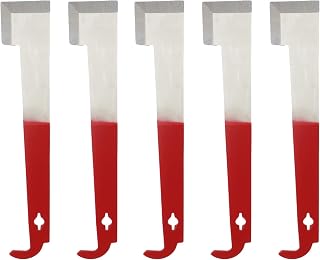 5 Pack Steel Beekeeping Hive Tool J Hook Hive Scraper ToolCheck price on Amazon
 1 Pack Steel J Hook Bee Hive Tool Frame Lifter and ScraperCheck price on Amazon
 5 Pack Steel J Hook Bee Hive Tool Frame Lifter and ScraperCheck price on Amazon
 KINGLAKE GARDEN J Hook Hive ToolCheck price on Amazon
 Honey Keeper 2-Pack Stainless Steel J Hook Bee Hive ToolCheck price on Amazon
HiveKeeperGear earns a commission when you buy through links on this site, at no extra cost to you. As an Amazon Associate I earn from qualifying purchases. Affiliate disclosure.
Before you choose: how hive tools work
Honey bees naturally seal every seam and gap inside a hive with propolis, a sticky resin collected from tree buds. Over a single season, propolis glues wooden frames firmly to the box rests and cements stacked hive bodies together. An apiary inspection cannot proceed with bare fingers without cracking wood, rolling comb, or agitating the colony. A dedicated hive tool provides the mechanical leverage required to break these resin seals cleanly, smoothly, and quietly.
J hook vs standard hive tool: comparison summary
While both tools scrape propolis and separate wooden boxes, their primary divergence lies in how they lift stuck frames out of the brood chamber. The table below summarizes the core differences between each design.
| Feature | J Hook Hive Tool | Standard Hive Tool | Which Tool Excels |
|---|---|---|---|
| Frame lifting method | Notched hook slips under frame ear and levers off adjacent top bar | Flat blade wiggles between shoulders or pries upward under ear | J hook |
| Box prying leverage | Straight wedge end drives between box rims to crack seals | Right-angle bend provides perpendicular lever fulcrum | Standard hive tool |
| Comb protection | Vertical lift prevents sideways frame rotation and comb scuffing | Lateral prying can tilt frames toward neighboring comb | J hook |
| Scraping broad surfaces | Straight chisel edge cleans frames and box walls | Broad scraper blade clears wide flat surfaces smoothly | Standard hive tool |
| Tool length in listings | Listings include 10.5-inch and 10.6-inch models with long reach | Listings include 9-inch and 9.2-inch models with compact profiles | J hook for leverage |
| Pocket storage | Curved hook can catch on pocket openings or mesh fabric | Flat, slim profile slides smoothly into suit pockets | Standard hive tool |
1. Frame lifting mechanics
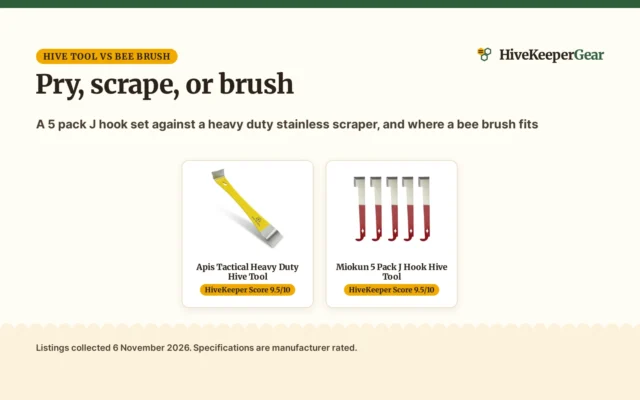
The standout advantage of the J hook design is its frame lifting mechanism. At the curved end of the tool, a pronounced hook features a small notch machined to catch beneath the wooden ear, or lug, of a standard top bar. To free a stuck frame, you position the notch under the frame ear, rest the rounded heel of the hook against the adjacent frame or box wall, and depress the handle. The tool operates as a lever, transforming downward hand pressure into a smooth vertical lift that breaks the propolis bond and raises the frame ear off the rest.
Preventing lateral movement is critical during brood nest examinations. When a frame tilts or rotates as it is pried loose, raised wax comb can rub against neighboring comb. This friction rolls bees, tears open capped honey, and can harm the queen. The vertical travel provided by the J hook minimizes comb abrasion, making it particularly reassuring when inspecting delicate wax foundation (see our guide to hive frames). A standard hive tool lacks this notch, requiring you to wiggle a flat blade between frame shoulders or pry under the ear against the box rim, which can slip or tilt frames sideways.
2. Prying boxes and breaking propolis seals
While the J hook excels at lifting individual frames, the standard hive tool demonstrates exceptional utility when separating stacked hive bodies. Honey supers and deep brood chambers often become cemented together around their entire perimeter, requiring substantial leverage applied at the box corners to break the joint.
The standard hive tool incorporates a crisp right-angle bend at one end. When you insert this bent blade into the corner seam or pry notch between two boxes, the heel of the bend rests firmly against the lower box rim, creating a built-in fulcrum. Pushing downward or pulling upward on the long shank delivers robust perpendicular leverage that pops the propolis seal apart cleanly. Alternatively, you can slide the straight scraper blade on the opposite end into the seam to twist and widen the gap along the box perimeter. A J hook tool separates boxes using the straight beveled wedge on the end opposite its hook, wedging into the seam and twisting, but it lacks the right-angle fulcrum of the standard tool.
3. Scraping wax and propolis
Routine hive maintenance requires scraping burr comb, propolis deposits, and wax bridges off wooden surfaces. If left unchecked, propolis buildup on frame rests alters frame spacing, while burr comb on top bars prevents the inner cover from resting flush.
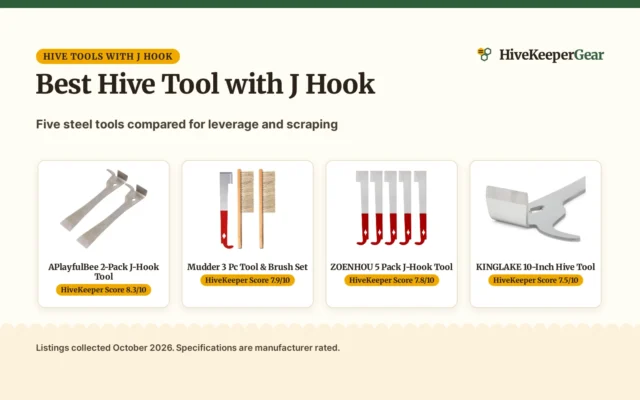
The standard hive tool is celebrated for its scraping efficiency. Its broad, flat end operates much like a heavy-duty woodworking chisel. The wide, straight bevel allows you to apply even downward pressure along the entire length of a top bar, stripping away propolis ribbons in swift passes. A J hook tool also includes a ground scraping edge on its straight end. For example, KINGLAKE GARDEN lists a 10.6-inch J-hook beehive tool alongside a 9.2-inch bee scraper, while Flexzion incorporates a scraper edge directly on its 10.5-inch J-hook tool. Both clean top bars effectively, though the standard tool’s flat profile allows easier clearance on wide surfaces like bottom boards.
4. Handling, grip, and pocket storage
Ergonomics and carry style influence how a hive tool feels throughout an extended inspection. Because beekeepers wear protective gear, the tool must remain easy to hold with gloved hands and practical to stow when both hands are needed to lift a heavy brood frame.
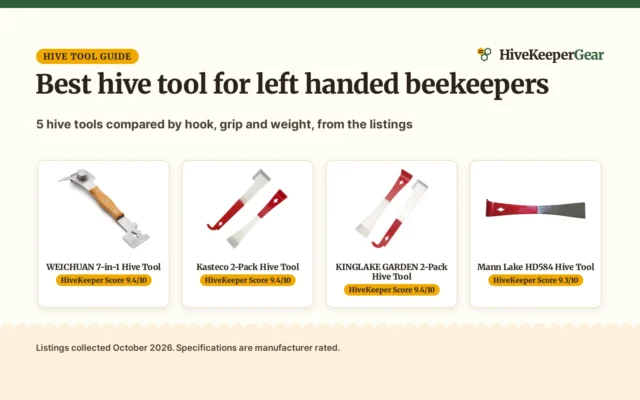
Tool dimensions vary among manufacturers. In reference listings, J-hook models often feature extended length for lifting leverage, such as the 10.5-inch tool with a width of 1.77 inches (26.7 cm by 4.5 cm) from Miokun, the 10.5-inch (26.7 cm) tool from Kasteco, or the 10.6-inch model from KINGLAKE GARDEN. That extended length provides generous leverage when prying, though the curved hook can occasionally catch on pocket openings or suit fabric. Many J-hook models include a machined hanging hole, allowing you to hang the tool on the hive stand. For flat and angled scrapers, reference listings include slightly shorter tools, such as the 9-inch (23 cm) L-hook tool from Miokun and the 9.2-inch bee scraper from KINGLAKE GARDEN. Because flat designs lack a protruding hook, they slide into suit pockets smoothly. For visibility in the apiary, Abustle pig lists tools finished in eye-catching red paint, which helps you locate the tool if set down in yard grass.
5. Steel selection and build quality
A hive tool experiences continuous prying stress, scraping friction, and outdoor weather. Selecting a tool constructed from solid, rust-resistant steel prevents bending under heavy hive loads and avoids premature corrosion.
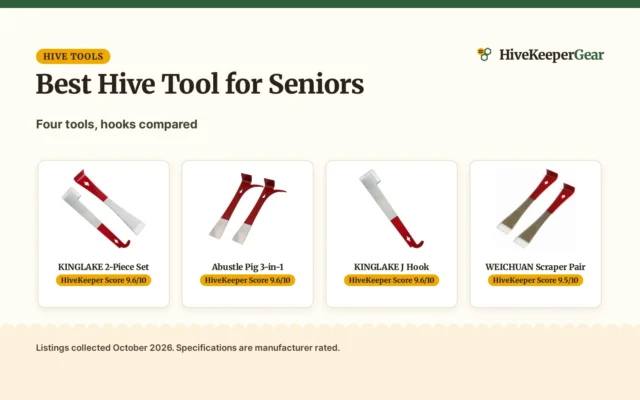
Stainless steel is widely listed across manufacturers. Flexzion lists a thick stainless steel construction designed to resist bending and rust when prying stuck frames. Abustle pig lists stainless steel across its J-hook models, citing an item weight of 5.1 ounces for a single tool. KINGLAKE GARDEN lists stainless steel with an item weight of 1 pound for its two-piece set, and Miokun lists steel tools with an item weight of 1.17 pounds for a four-piece package containing two J-hook and two L-hook tools. Stainless steel stands up to outdoor humidity and wipes clean easily when sticky with propolis and honey.
An inspection walkthrough with each tool
Opening the hive: Begin by sliding the flat wedge of your hive tool into the seam beneath the outer cover, giving the handle a gentle twist to pop the propolis seal without alarming the colony. Separating boxes: If removing an upper super, insert the bent end of a standard hive tool into the corner seam to lever against its right-angle fulcrum, or drive the straight wedge of a J hook tool inward and twist sideways to break the seal. Freeing the outside frame: Bees often glue the outside frame to the box wall. Work the flat blade between the frame shoulders and the box wall to sever propolis bonds. Lifting frames: Slide the notched hook of the J hook tool under the frame ear, rest the curved heel on the neighboring frame or box rim, and press downward to break the propolis bond and lift the frame ear off the rest. Examining comb: Hold the frame by its top bar ears with both hands to inspect brood patterns and food reserves. Cleaning up: Before returning the frame, use the flat scraping edge to scrape propolis ribbons off top bars so boxes sit flush when reassembled.
Helpful accessories for hive tools
- A dedicated hive tool holster or pocket clip on your suit to keep the blade readily accessible.
- A magnetic tool holder or hive stand hook utilizing the tool hanging hole for clean apiary storage.
- A spare hive tool stored in your apiary toolbox in case a tool is dropped in thick ground vegetation.
- A soft bee brush to sweep bees gently aside before scraping frame rests or box joints.
- A bucket with clean water and a cloth to remove sticky honey residues between hive visits.
Carrying an extra hive tool in your apiary kit is a wise practice. Setting down a tool in thick clover during an active inspection can leave you searching the ground while a hive stands open, so having an extra tool within reach keeps your hive work calm and orderly.
What this guide does not cover
This guide compares physical tool profiles, mechanical leverage, and metal specifications for hive tools. We do not provide hive health, veterinary, or disease management advice. For questions regarding colony health, pest control, or seasonal apiary care, consult your local beekeeping association or state extension apiary program.
FAQs for beekeepers
Which tool is better for a beginner beekeeper?
Most beginner beekeepers find the J hook hive tool easier to use because its notched hook lifts propolis-glued frames straight upward without rolling comb or harming bees. A standard hive tool remains an excellent companion tool for prying apart heavy boxes and scraping large wooden surfaces.
Why is it called a J hook hive tool?
The tool is named for the curved hook on one end that resembles the letter J. This curve acts as a fulcrum while a small notch catches beneath the wooden frame ear to lever the frame upward off the rest with minimal effort.
What lengths do hive tools come in?
Hive tool lengths vary by maker and design. In reference listings, J-hook tools include 10.5-inch models from Flexzion and Kasteco, and a 10.6-inch model from KINGLAKE GARDEN. Angled scraper and L-hook listings include a 9-inch tool from Miokun and a 9.2-inch scraper from KINGLAKE GARDEN.
Can a J hook hive tool pry apart stuck hive boxes?
Yes. The straight end of a J hook tool features a flat beveled wedge designed to slip between stuck hive bodies to break propolis seals, though a standard hive tool provides slightly more perpendicular leverage due to its right-angle bend.
How do you clean propolis and wax off a hive tool?
Scrape excess propolis and wax using the blade of another hive tool, or wipe the metal clean with rubbing alcohol. For step-by-step tool maintenance, see our guide on how to clean beekeeping tools.
More hive guides
Browse every guide by category: beehives, protective gear, hive tools and honey harvesting.
More picks: hive tools, J hook hive tools, beekeeping tool kits, and bee smokers.