Native vs Non Native Pollinator Seed Mix: Which One Should You Buy?
Native and non native pollinator seed mixes compared by bag size, coverage, varieties and bloom, with 2 mixes on each side for bee-friendly gardens.

On this page
Top picks at a glance
As an Amazon Associate I earn from qualifying purchases.
- 1
 Seeds2Go Native Mix9.5/10View on Amazon
- 2
 HOME GROWN Midwest Mix9.5/10View on Amazon
- 3
 Earth Science Pollinator Mix9.5/10View on Amazon
- 4
 Outsidepride Midwest Mix9.5/10View on Amazon
Spring buildup brings the first sowing question: what to plant for the pollinators, and the native vs non native pollinator seed mix choice shapes what grows. Native mixes use species from North America, while non native mixes blend species from wider sources. Pick the native side for North American species, and the non native side for stated seed counts and named varieties; the Earth Science example is the 3-in-1 bag. This guide compares 4 mixes by bag size, coverage and bloom period.
HiveKeeperGear earns a commission when you buy through links on this page, at no extra cost to you. As an Amazon Associate I earn from qualifying purchases. Affiliate disclosure.
Quick verdict: choose a native mix for North American species; the Seeds2Go example states no filler content. Choose a non native mix for a stated seed count, a named variety list, or, in the Earth Science example, a bag with plant food. Both sides list full sun, and all 4 listings name pollinators, though the Seeds2Go example names butterflies and hummingbirds rather than bees.
The examples
| # | Product | HiveKeeper Score | Buy |
|---|---|---|---|
| 1 | Seeds2Go Native Mix | 9.5/10 | Buy on Amazon |
| 2 | HOME GROWN Midwest Mix | 9.5/10 | Buy on Amazon |
| 3 | Earth Science Pollinator Mix | 9.5/10 | Buy on Amazon |
| 4 | Outsidepride Midwest Mix | 9.5/10 | Buy on Amazon |
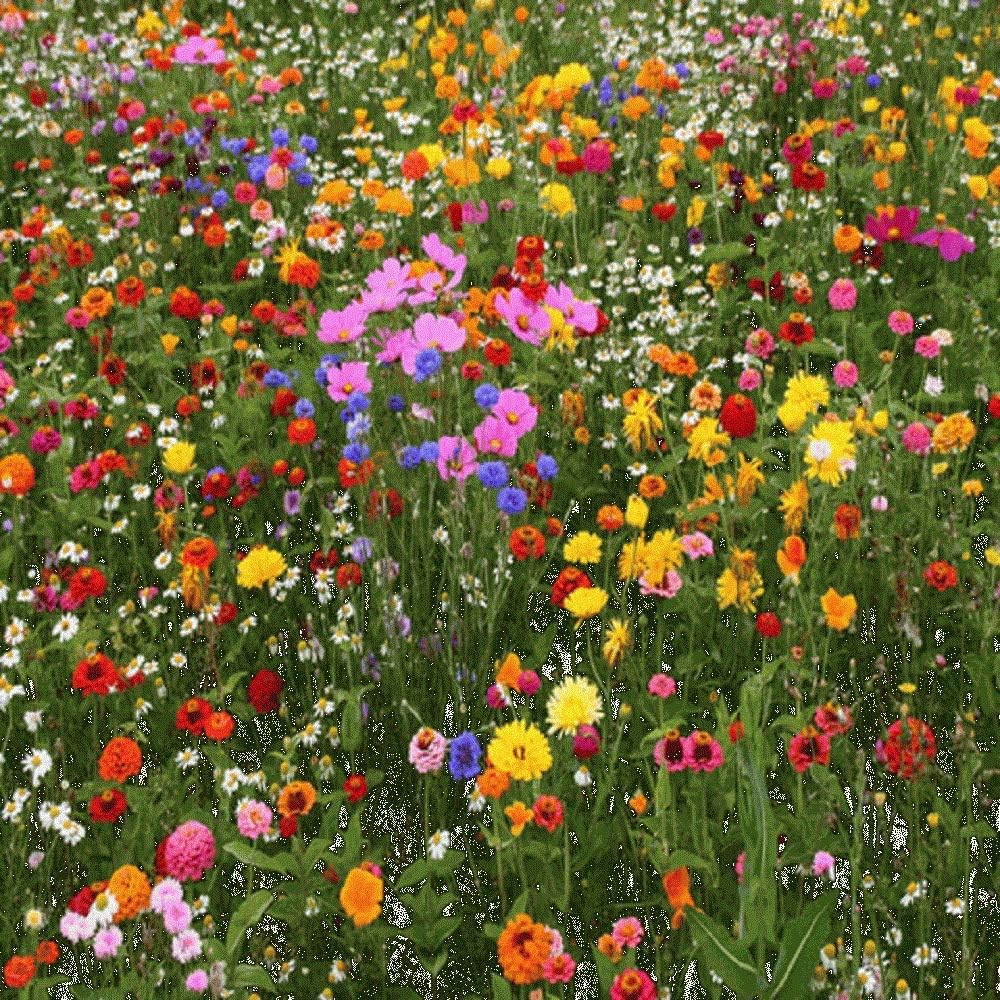
Seeds2Go Native Mix
North American native mix with over 20 annuals and perennials, no fillers, in a 1/2 lb bag covering 500 to 1000 square ft.
Pros
- 100% pure seed with no filler content
- Over 20 annuals and perennials native to North America
- Covers 500 to 1000 square ft from a 1/2 lb bag
- Attracts butterflies and hummingbirds
Cons
- No warranty term stated
- No variety names stated
- No soil type stated

HOME GROWN Midwest Mix
Midwest mix with 24 prairie varieties and 65,000+ seeds in a 4 oz bag, with a bonus grow guide.
Pros
- 24 prairie wildflower varieties with named species
- 65,000+ flower seeds in a 4 oz bag
- Perennial wildflowers that return year after year
- Bonus grow guide included with the bag
Cons
- No warranty term stated
- No coverage figure stated
- Non native side, so no North American native claim
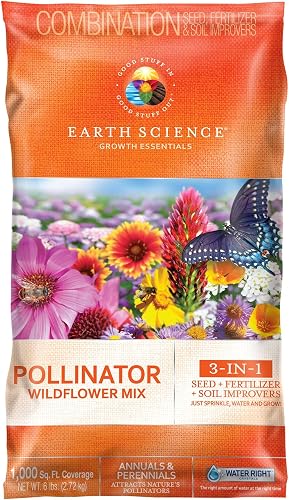
Earth Science Pollinator Mix
3-in-1 mix with seed, mulch, plant food and soil conditioners in a 6 lb bag covering up to 1,000 sq ft.
Pros
- 3-in-1 mix of seed, mulch, plant food and soil conditioners
- Over 56,000 seeds across 13 species
- Covers up to 1,000 sq ft from a 6 lb bag
- Safe around people and pets
Cons
- No warranty term stated
- No soil type stated
- Bag weight includes mulch and plant food, not seed alone
- No planting depth stated

Outsidepride Midwest Mix
Midwest native mix at 1/4 lb with a 50% annual and 50% perennial blend.
Pros
- 50% annuals and 50% perennials for first-season color and lasting presence
- Tailored for Midwestern climates
- Little to no watering once established
- Attracts bees and butterflies
Cons
- No warranty term stated
- No coverage figure stated
As an Amazon Associate I earn from qualifying purchases.
Other hives and gear to compare
 Southeast Regional MixCheck price on Amazon
 Hale Habitat & Seed Native Grass & Wildflower RefugeCheck price on Amazon
 Eden Brothers Native Perennial Wildflower Seed MixCheck price on Amazon
 Eden Brothers Native Southwest Wildflower Seed MixCheck price on Amazon
 Earthwise Shady Native Wildflower Seed MixCheck price on Amazon
 Eden Brothers Native Northeast Wildflower Seed MixCheck price on Amazon
Native vs non native pollinator seed mix: side by side
| Seed Mix | HiveKeeper Score | Side | Bag | Covers | Varieties | Bloom |
|---|---|---|---|---|---|---|
| Seeds2Go Native Mix | 9.5/10 | Native | 1/2 lb | 500-1000 sq ft | Over 20 | Summer to Fall |
| HOME GROWN Midwest Mix | 9.5/10 | Non native | 4 oz | Not stated | 24 | Spring to Summer |
| Earth Science Pollinator Mix | 9.5/10 | Non native | 6 lb | Up to 1,000 sq ft | 13 | Spring to Fall |
| Outsidepride Midwest Mix | 9.5/10 | Native | 1/4 lb | Not stated | Not stated | Spring to Fall |
All specs repeat what the manufacturer lists, not our own measurements, read on 28 October 2026.
Bag size and coverage
Bag size decides how much ground a bag covers. The Seeds2Go example weighs 1/2 lb and covers 500 to 1000 square ft. The Earth Science example weighs 6 lb and covers up to 1,000 sq ft. The Outsidepride example weighs 1/4 lb and the HOME GROWN example weighs 4 oz, with no coverage stated. Treat the missing figures as unclear.
Varieties and bloom
Varieties decide what blooms and when. The Seeds2Go example blends over 20 annuals and perennials and blooms from Summer to Fall. The HOME GROWN example lists 24 prairie varieties; its spec table lists blooming from Spring to Summer, while its bullets describe waves of color from spring through fall. The Earth Science example lists 13 species and blooms from Spring to Fall. The Outsidepride example blends annuals and perennials at 50% each, but states no variety count.
Sun, water and soil
All 4 mixes list full sun, so sun does not separate the sides. The Earth Science example also states 6+ hours of sun, and all 4 list full sun exposure. The Seeds2Go, HOME GROWN and Earth Science examples list moderate watering, while the Outsidepride example lists little to no watering. Soil is stated for two listings: the Outsidepride and HOME GROWN examples list loam soil, while the other two state no soil type.
Listing gaps to check
Two listings need a careful read. The Outsidepride example lists 24-30 inches and 1/4 lb in its title and bullets against 36 to 48 inches and a 1 pound packaging size in its spec table, and this guide follows the title and bullets. The Seeds2Go example says suitable for all USDA zones in its bullets against zone 3 in its spec table.
Which should you choose?
Choose a native mix if you want North American species in a straightforward bag of seed; the Seeds2Go example states no filler content. Our best native pollinator seed mix picks compare more native mixes.
Choose a non native mix for a stated seed count, a named variety list with a grow guide, or, in the Earth Science example, a 3-in-1 bag with seed, mulch, plant food and soil conditioners. Our best pollinator seed mix roundup covers more mixes of both kinds.
Whichever side you choose, sow in full sun and water as the listing directs.
Inside the HiveKeeper Score
| Product | HiveKeeper Score | Perf. /35 | Build /25 | Value /25 | Safety /10 | Warranty /5 |
|---|---|---|---|---|---|---|
| Seeds2Go Native Mix | 9.5 | 32 | 21 | 21 | 0 | 0 |
| HOME GROWN Midwest Mix | 9.5 | 30 | 21 | 21 | 0 | 0 |
| Earth Science Pollinator Mix | 9.5 | 30 | 21 | 20 | 0 | 0 |
| Outsidepride Midwest Mix | 9.5 | 29 | 20 | 21 | 0 | 0 |
We map points onto a band running from 9.2 up to 9.8 in a straight line, so ranking by score is ranking by points.
The HiveKeeper Score weighs performance, build, value, safety and warranty. The Seeds2Go example scores higher on performance for a pure seed mix with no fillers. The HOME GROWN example scores well for a named variety list and a bonus grow guide, and the Earth Science example scores for a 3-in-1 bag. The Outsidepride example scores lower for its mismatched figures. For a seed mix, safety means Non-GMO seed and no harmful chemicals. No listing here states a warranty term, so every mix scores zero on warranty. How we pick explains the weights.
FAQs for beekeepers
What is the difference between native and non native seed mix?
Native mixes use species from North America, like the Seeds2Go and Outsidepride mixes. Non native mixes blend species from wider sources, like Chinese Forget Me Not, Cosmos, Siberian wallflower and zinnia.
How much area does a bag cover?
The Seeds2Go example covers 500 to 1000 square ft, and the Earth Science example covers up to 1,000 sq ft. The Outsidepride and HOME GROWN listings state no coverage figure.
Do these mixes attract bees?
All 4 mixes attract pollinators per their listings. The Seeds2Go example names butterflies and hummingbirds, and the Outsidepride, HOME GROWN and Earth Science examples name bees and butterflies.
How do I sow them?
The Outsidepride listing says broadcast and rake into the soil or drill to no more than ¼ inch. The HOME GROWN listing says scatter seeds in prepared soil. The other two listings state no sowing depth.
More hive guides
Related: best native pollinator seed mix, best pollinator seed mix, annual vs perennial pollinator seed mix, and pollinator seed mix vs wildflower seed packet.