Plastic vs Wax Queen Cell Cups: Which One Should You Buy?
A practical comparison of plastic and wax queen cell cups for queen rearing, covering acceptance rates, durability, frame mounting, and hive preparation.

On this page
Top picks at a glance
As an Amazon Associate I earn from qualifying purchases.
- 1
 Winco 10 oz Clear Plastic Dredge with Snap-On Lids9.6/10View on Amazon
- 2
 TOPINCN Queen Cell Cups 500 Pcs Plastic Brown 1 x 1 cm RearingView on Amazon
- 3
 Ambrose Bee Supply Plastic Queen ExcluderView on Amazon
- 4
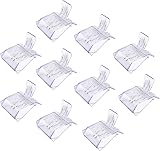 Flexzion Queen Bee Catcher ClipsView on Amazon
- 5
 Foxhound Bee Company 8 Frame Queen ExcluderView on Amazon
- 6
 Foxhound Bee Company 10 Frame Queen ExcluderView on Amazon
- 7
 Yinkin 6 PCS Plastic Queen Excluder Queen Bee Excluder BeeView on Amazon
During spring colony expansion when you prepare a strong colony to begin queen rearing, deciding between plastic vs wax queen cell cups comes down to convenience and durability versus natural comb acceptance. Plastic cell cups offer rigid walls, uniform molded dimensions, and simple mounting into cell bars, whereas wax cups encourage immediate acceptance by nurse bees without introducing artificial materials into the brood nest. For most backyard beekeepers raising queens on a modest apiary scale, plastic cell cups primed with melted beeswax or fresh royal jelly deliver the most dependable, reusable balance between colony acceptance and workflow efficiency. In this guide, we compared both materials across acceptance rates, cell bar mounting, wax priming preparation, cleaning durability, and practical apiary workflow.
Other hives and gear to compare
 TOPINCN Queen Cell Cups 500 Pcs Plastic Brown 1 x 1 cm RearingCheck price on Amazon
 Ambrose Bee Supply Plastic Queen ExcluderCheck price on Amazon
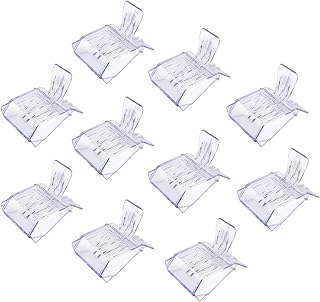 Flexzion Queen Bee Catcher ClipsCheck price on Amazon
 Foxhound Bee Company 8 Frame Queen ExcluderCheck price on Amazon
 Foxhound Bee Company 10 Frame Queen ExcluderCheck price on Amazon
 Yinkin 6 PCS Plastic Queen Excluder Queen Bee Excluder BeeCheck price on Amazon
HiveKeeperGear earns a commission when you buy through links on this site, at no extra cost to you. As an Amazon Associate I earn from qualifying purchases. Affiliate disclosure.
Before you choose: how nurse bees accept cell cups
Successful queen rearing requires that worker bees in a cell builder colony accept the cups and larvae you introduce. When nurse bees perceive the need to rear a queen, their instincts prompt them to care for young female larvae and provision them with copious quantities of royal jelly to draw out vertical queen cells. If the nurse bees find an unfamiliar synthetic texture or an off-putting odor, they may ignore the cup or clean out the transferred larva before feeding begins.
Bees recognize pure beeswax immediately because comb building and wax secretion form the foundation of colony life. Natural beeswax absorbs hive pheromones rapidly, allowing newly placed wax cups to blend seamlessly into the brood environment. Plastic cell cups, while chemically inert and harmless, feature smooth non-porous surfaces that differ from native comb. To overcome this natural hesitation, experienced beekeepers condition plastic cups in the hive or coat the inner rim with melted cappings wax before grafting.
Plastic vs wax queen cell cups: key differences
Choosing between plastic and wax cell cups involves balancing colony acceptance against apiary labor and equipment longevity. Both styles produce healthy, well-nourished queens when managed correctly, yet each brings distinct physical properties to the grafting bench.
| Feature | Plastic Queen Cell Cups | Wax Queen Cell Cups | Practical Apiary Impact |
|---|---|---|---|
| Material | Rigid molded plastic | Pure natural beeswax | Plastic resists crushing while wax matches native comb |
| Initial bee acceptance | Favorable when primed with wax or jelly | High immediate acceptance | Wax requires less initial conditioning in the cell builder |
| Preparation needed | Pre-formed; benefits from wax dip | Hand-dipped on wooden forms | Plastic saves preparation time prior to grafting |
| Durability | High; withstands repeated hive inspections | Fragile; deforms under warmth or pressure | Plastic protects larvae during frame transfers |
| Reusability | Reusable across multiple grafting batches | Single use only | Plastic reduces recurring equipment replacement |
| Mounting method | Friction tabs, base pegs, or grooved bars | Melted wax bonding to wooden bar | Plastic mounts firmly without dropping during transport |
| Storage and handling | Indefinite shelf life; unaffected by warmth | Melts in heat; vulnerable to wax moths | Plastic stores cleanly between queen rearing cycles |
Material durability and reusability
The structural strength of plastic cell cups represents their greatest practical advantage in the yard. When manipulating grafting bars, moving frames between hives, or inserting finished cells into mating nuclei, plastic walls do not bend or collapse under finger pressure. If an errant hive tool bumps against the base of a plastic cup during an inspection, the rigid base resists crushing and keeps the cell firmly anchored to the bar.
Wax cups, by comparison, remain delicate throughout their entire lifecycle. On hot summer afternoons, wax softens considerably, making accidental deformation a constant risk during routine colony handling. Furthermore, once a virgin queen emerges or a cell is harvested, a wax cup cannot be recovered for future grafting runs because the bees incorporate the wax directly into the surrounding comb structure. Plastic cups can be soaked in warm water to dissolve royal jelly residue, rinsed free of old wax, and returned to service season after season.
Preparation and priming with beeswax
Making wax cell cups from scratch requires a wooden dipping dowel, clean molten beeswax, and a bowl of cold water. The beekeeper dips the dampened form into melted wax repeatedly, allowing thin layers to build up until a rounded base and tapered rim take shape. The cooled wax cup is then gently twisted off the dowel and bonded to a wooden cell bar with additional molten wax. While this method produces natural cups, crafting multiple uniform cups demands steady patience and careful temperature control.
Plastic cups eliminate the hand-dipping process entirely because they arrive pre-molded to precise dimensions. However, dipping the rim of a plastic cup into melted cappings wax before grafting bridges the acceptance gap. The thin wax coating provides the familiar scent and tactile feel that nurse bees prefer, giving beekeepers the structural stability of plastic alongside the high acceptance of natural beeswax.
Mounting into cell bars and frames
Fastening cell cups firmly to a grafting frame prevents dislodged larvae when frames are carried across the apiary. Wax cell cups must be attached using hot wax or melted base strips. If the bonding wax is too cool, the cups can pop loose during frame insertion; if the wax is too hot, the cup walls can melt and distort.
Plastic cell cups offer versatile mechanical mounting options. Many commercial designs feature molded base pegs that press directly into grooved bars, holding firmly through friction alone. Other styles utilize modular base blocks or snap-in sockets that lock onto cell bars, allowing beekeepers to twist, remove, or reposition individual queen cells without touching the fragile wax cell wall that the bees have constructed downward.
Acceptance rates in the cell builder colony
Beekeepers often debate acceptance rates between the two materials, but colony condition influences acceptance far more than cup composition. In a strong, crowded cell builder brimming with young nurse bees, abundant pollen stores, and continuous light syrup feeding, bees will readily accept larvae in either cup style.
Where differences emerge is during less favorable apiary conditions. If a nectar dearth occurs or a cell builder lacks sufficient nurse bee density, workers may reject unprimed plastic cups while continuing to feed larvae placed in natural wax cups. Priming plastic cups with a small droplet of diluted royal jelly or dipping them in melted beeswax brings their acceptance rate up to parity with pure wax cups across varying yard conditions.
Supplier specifications and pack sizing
Pack sizes and stated dimensions vary across suppliers. For example, Walfront lists a pack of 50 cell cups with stated dimensions of 10 by 10 mm. HunterBee offers packs of 100 cell cups and 200 cell cups, with listed package weights including 0.352 ounces, 2.08 ounces, and 3.52 ounces. TOPINCN lists a pack of 500 plastic cell cups in brown, with stated dimensions of 1 by 1 cm. Wax cell cups are rarely sold in large pre-formed commercial packs because of their fragile nature during transit, leading most keepers to mold wax cups directly in the honey house using a wooden dipping form.
Seasonal timing for queen rearing
Successful queen grafting requires aligning your apiary schedule with the natural rhythm of the honey bee season. The ideal window opens during mid-spring when colonies build up excess brood, dandelions and fruit trees provide fresh forage, and abundant mature drones are already flying actively across the yard. Raising queens before mature drones are actively flying leads to poorly mated queens, regardless of which cup style you choose.
As midsummer approaches and main honey flows taper off, nurse bees naturally reduce royal jelly production and become more selective about accepting grafts. Preparing cell builder colonies with supplemental syrup feeding helps sustain grafting momentum into early summer, but queen rearing should conclude well before autumn preparations begin so young colonies have ample time to establish winter cluster populations.
Practical tips for grafting success
Regardless of whether you choose plastic or wax cups, careful grafting technique governs your overall take. Work in a warm, sheltered location out of direct sunlight and drying breezes, which can desiccate young larvae within minutes. Keep a damp cloth draped over your cell bar to maintain high humidity while transferring larvae from the donor comb.
Using a specialized grafting tool allows you to lift the youngest, smallest larvae along with a generous bed of brood food, minimizing physical disturbance. For additional equipment guidance, see our guide to the best queen grafting tool for queen rearing and our complete tutorial on how to use a queen rearing kit. Once grafting is complete, transfer the cell bar immediately into your prepared cell builder colony without jarring the frame.
Common pitfalls to avoid
A frequent error among beginner queen rearers is introducing plastic cell cups straight out of the shipping packaging into a grafting frame. Fresh plastic may carry residual manufacturing odors that cause nurse bees to reject the graft. Placing plastic cups into an active colony for a conditioning period allows worker bees to polish the plastic surfaces and deposit colony scent prior to grafting day.
Another common mistake with wax cups is allowing the dipping wax to overheat, which results in brittle, thin-walled cups that crack during handling. Keeping dipping wax just above melting temperature produces pliable, sturdy cups. Finally, ensure that your grafting frame is properly cleaned before each season; our guide on cleaning bee frames for reuse explains the proper steps for sanitizing wooden and plastic frame components.
FAQs for beekeepers
Do bees accept wax cell cups better than plastic cell cups?
Nurse bees often accept raw wax cell cups slightly faster on grafting day because beeswax carries natural hive scent. However, when beekeepers coat plastic cell cups with a thin layer of melted beeswax or prime them with royal jelly, nurse bees accept plastic cups at virtually identical rates.
Can you reuse plastic queen cell cups?
Yes, plastic cell cups can be cleaned and reused across multiple grafting cycles. After queen cells are harvested, soak the plastic cups in warm water to dissolve residual royal jelly and rinse away leftover wax before using them again.
Can you reuse wax queen cell cups?
Wax cell cups cannot be reused because nurse bees draw the wax into elongated queen cells that are cut apart or torn open when the virgin queen emerges. The remaining wax is melted down with hive cappings rather than used again as a cup.
What pack sizes are available for plastic cell cups?
Manufacturer listings show varying quantities depending on apiary size: Walfront lists a pack of 50 cups, HunterBee provides packs of 100 and 200 cups, and TOPINCN offers a bulk pack of 500 cups.
What dimensions do listings publish for plastic queen cell cups?
Published dimensions vary across manufacturers rather than following a single universal standard: Walfront lists cell cups measuring 10 by 10 mm, while TOPINCN lists plastic cups measuring 1 by 1 cm.
How should you prepare plastic cell cups before grafting?
Place plastic cups into an active colony for a conditioning period so worker bees can polish the cups, or dip the rim lightly into clean melted beeswax before transferring larvae.
More hive guides
Browse every guide by category: beehives, protective gear, hive tools and honey harvesting.
More picks: explore our guide on how to use a queen rearing kit, find the best queen grafting tool for queen rearing, or review cleaning bee frames for reuse. New to beekeeping? Start with our beekeeping supplies for beginners.