Steel Toe vs Soft Toe Beekeeping Boots: Which One Should You Buy?
Compare steel toe vs soft toe beekeeping boots for yard safety, hive box drop protection, all-day walking comfort, and traction when carrying heavy honey supers.

On this page
Top picks at a glance
As an Amazon Associate I earn from qualifying purchases.
- 1
 NINGO Men's Steel Toe Waterproof PVC Knee High Rain Boots9.7/10View on Amazon
- 2
 CAT Men's Second Shift Steel ToeView on Amazon
- 3
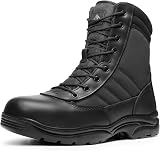 NORTIV 8 Men's Steel Toe Work Boots Side Zipper SafetyView on Amazon
- 4
 NORTIV 8 Men's Waterproof Steel Toe Work Boots Slip ResistantView on Amazon
- 5
 KELODON Waterproof Steel Toe Boots For Men-6 Inch ComfortableView on Amazon
- 6
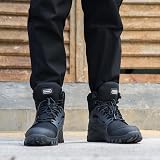 SUADEX Steel Toe Boots for Men Women Waterproof Arch SupportView on Amazon
- 7
 Furuian Steel Toe Boots for Men Women Lightweight Work BootsView on Amazon
When inspecting hives and lifting full honey supers during the summer flow, choosing between steel toe vs soft toe beekeeping boots comes down to balancing crush protection against all-day walking comfort. For backyard beekeepers managing hives on level ground, soft toe boots provide ample stinger resistance, flexible soles, and lighter weight for routine colony checks. Beekeepers who regularly move stacked hive bodies, haul heavy boxes across rough yards, or operate apiary equipment benefit from the impact shield of a certified safety toe. We compared protective safety caps, boot weights, sole traction, and ankle heights across reference work boot listings to help you pick the right footwear for your bee yard.
Other hives and gear to compare
 CAT Men's Second Shift Steel ToeCheck price on Amazon
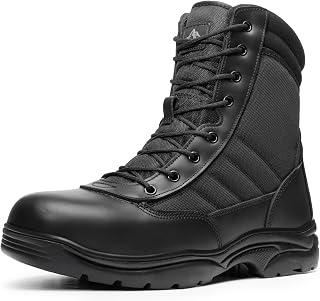 NORTIV 8 Men's Steel Toe Work Boots Side Zipper SafetyCheck price on Amazon
 NORTIV 8 Men's Waterproof Steel Toe Work Boots Slip ResistantCheck price on Amazon
 KELODON Waterproof Steel Toe Boots For Men-6 Inch ComfortableCheck price on Amazon
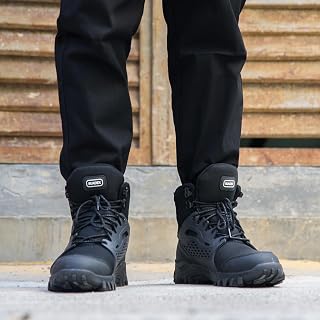 SUADEX Steel Toe Boots for Men Women Waterproof Arch SupportCheck price on Amazon
 Furuian Steel Toe Boots for Men Women Lightweight Work BootsCheck price on Amazon
HiveKeeperGear earns a commission when you buy through links on this site, at no extra cost to you. As an Amazon Associate I earn from qualifying purchases. Affiliate disclosure.
Before you choose: assessing your apiary hazards
Working in an apiary exposes footwear to distinct physical hazards that differ from standard gardening or hiking. A deep hive box full of honey and brood comb is awkward to grip and heavy to lift. When wooden handholds slip or propolis bonds release unexpectedly, a falling hive box can deliver severe impact force directly onto the foot. At the same time, beekeepers spend hours on their feet walking through wet morning grass, kneeling beside bottom boards, and maneuvering across uneven apiary soil.
Footwear must also guard against stings. Honey bees shaken or brushed from frames often drop into the grass, where defensive guard bees instinctively crawl upward toward gaps in protective clothing. Sturdy leather or rubber work boots provide a solid barrier against bee stingers, but selecting the right toe configuration determines whether your boots prioritize heavy crush resistance or flexible yard comfort. Exploring dedicated protective beekeeping boots helps clarify how different designs handle these yard challenges.
Steel toe vs soft toe beekeeping boots: core differences
The primary distinction between steel toe and soft toe footwear centers on the protective toe box structure. Steel toe boots incorporate an internal steel safety cap molded into the front of the boot, shielding toes from falling hive boxes and heavy machinery. Soft toe boots rely solely on the outer leather or synthetic shell, offering natural forefoot flexion and reduced carrying weight at the expense of impact defense.
| Feature | Steel toe boots | Soft toe boots | Apiary consideration |
|---|---|---|---|
| Impact and crush defense | Rigid steel safety cap disperses heavy falling loads | Flexible leather upper without reinforced cap structure | Crucial when lifting and moving stacked hive boxes |
| Boot weight and fatigue | Heavier construction due to internal steel reinforcement | Lighter overall build for effortless yard walking | Affects comfort during long inspection sessions |
| Forefoot flexibility | Stiff toe box with structured bend point behind the cap | Natural sole and upper flex when kneeling at hives | Important when inspecting low bottom boards and brood nests |
| Stinger penetration defense | Dense upper materials block stingers across the foot | Thick leather or rubber upper stops stingers reliably | Both styles prevent stings through the boot shell |
| Thermal feel in cold weather | Steel cap conducts ground chill during early spring | Neutral thermal profile without conductive metal caps | Relevant for early spring inspections and winter yard chores |
1. Hive box drop protection
The clearest argument for steel safety footwear in the bee yard is impact protection. A wooden hive box filled with honey frames represents a substantial load. During summer harvests, lifting stacked honey supers off deep brood boxes requires awkward posture and strong grip strength. Propolis frequently cements boxes together, requiring leverage with a hive tool that can cause sudden shifts in balance. If a slippery hive corner drops directly onto your toes, a soft leather boot compresses immediately under the falling corner.
Steel toe boots prevent crushing injuries by transferring the impact energy away from the toes into the boot sole and welt. For beekeepers operating heavy equipment, moving hives on pallets, or splitting colonies, this barrier prevents bruised or broken toes. Reference listings illustrate formal safety ratings for impact defense: NORTIV 8 cites the ASTM F2413-18 standard for protective safety footwear on its work boots, confirming impact and compression resistance for demanding yard chores.
2. Boot weight and all-day comfort
While safety toe caps provide unmatched impact defense, they add physical weight to each step. In an apiary, beekeepers rarely stand motionless; you walk between hive rows, fetch tools, haul sugar syrup buckets, and push wheelbarrows. Over hours in the yard, lifting heavy footwear increases leg and foot fatigue, which can compromise stability when carrying delicate comb.
Listing specifications demonstrate the concrete weight differences across boot styles. For heavy industrial lace-up designs, Timberland PRO lists its Pit Boss steel safety toe work boot at an item weight of 4.4 pounds, while CAT lists its Second Shift steel toe boot at 4 pounds. Lightweight athletic-styled safety boots narrow this gap: Furuian lists an item weight of 1.2 kg for its safety boot, and KELODON lists its protective work boot at 1.15 kg. Pull-on agricultural work boots show distinct profiles as well: Wolverine lists an item weight of 1.9 pounds for its Rancher Wellington boot. For beekeepers managing a small apiary where box drops are rare, choosing lighter soft toe boots preserves agility and reduces fatigue.
3. Soles, traction, and yard terrain
Maintaining solid footing is essential when handling frames covered in defensive bees. Stumbling on slick turf or loose gravel can jar a hive box, angering the colony and creating safety risks. Both steel toe and soft toe beekeeping boots require aggressive rubber outsoles that grip damp turf, muddy hive approaches, and clover lawns. Selecting beekeeping boots for rough terrain ensures reliable traction regardless of toe style.
Soft toe boots offer an advantage in tactile ground feel and kneeling flexibility. Checking lower brood chambers or entrance reducers often requires squatting or kneeling directly in the grass. A soft toe boot bends effortlessly across the ball of the foot, whereas a steel safety cap creates a rigid forward boundary that can pinch against the top of the foot during deep knee bends.
4. Shaft height and stinger protection
Neither steel caps nor soft toe caps determine stinger protection on their own; instead, shaft height and closure methods provide the primary defense against bee stings. When bees drop into the grass, they instinctively walk upward. Low-cut shoes leave exposed ankles where bees can crawl beneath trouser legs and deliver painful stings.
Work boot listings highlight several shaft configurations suited for protective apiary gear. Lace-up boots like the CAT Second Shift and Timberland PRO Pit Boss feature a 6-inch shaft height, providing solid ankle support that tucks neatly under elastic suit cuffs. Taller pull-on designs provide even greater upward coverage: Wolverine lists an 11-inch boot shaft height on its Rancher Wellington boot. Shaft circumferences also vary across listings: SUADEX lists a shaft circumference of 7.5 inches, while NORTIV 8 lists a shaft circumference of 14 inches on its side-zipper boot. Combining supportive boots with a well-fitted protective bee suit and sturdy beekeeping gloves ensures full-body sting defense.
5. Leather durability and moisture resistance
Apiary boots must withstand harsh outdoor conditions beyond bee stings and falling boxes. Hive equipment is coated in sticky propolis and sticky syrup, while morning grass deposits heavy dew on boot uppers. Durable full-grain leather uppers resist abrasion from wooden hive stands and hive tools, while providing a dense natural barrier that stingers cannot pierce.
Comparing rubber beekeeping boots vs leather boots illustrates how material selection impacts breathability and moisture management during hot summer inspections. Leather boots mold to foot contours over time, offering superior breathability in warm weather, whereas seamless rubber boots excel at shedding deep mud and standing water during wet spring visits.
Choosing boots for your apiary style
Selecting between steel toe and soft toe footwear depends on your specific apiary operations, equipment weight, and physical yard layout.
Backyard hobbyist with few hives: If you manage hives on level turf and rarely lift stacked boxes alone, soft toe boots are generally the practical choice. They deliver superior comfort, lighter step weight, and smooth flexibility when bending down to bottom boards, while heavy leather uppers provide all the stinger resistance you need.
Outyard and sideliner operations: If you maintain outyards, haul supers on trucks, move hives with hand trucks, or work on commercial pallets, steel toe boots are well worth the added weight. A falling deep box filled with honey comb can break toes through soft leather, making protective steel caps a sensible safety investment.
Rough or sloped apiaries: On hilly or rocky ground, prioritize deep-lug rubber outsoles and firm ankle collars. A supportive boot shaft prevents ankle rolling while carrying heavy boxes, whether you choose a steel cap or soft toe design.
Additional boot features for hive work
- Full-grain leather or dense rubber uppers that prevent bee stingers from penetrating the boot shell.
- Gusseted tongues and secure lace collars that prevent crawling bees from slipping behind eyelets.
- Aggressive slip-resistant rubber tread that grips wet morning grass, muddy paths, and wooden hive pallets.
- Supportive cushioned insoles that absorb shock during extended standing and hive box lifting.
- Smooth external leather panels that wipe clean easily when coated with sticky hive propolis or sugar syrup.
What safety toes do not protect against
While steel toe boots excel at shielding your toes from crushing impacts and dropped woodenware, they do not offer complete protection against all bee yard risks. A steel cap does not increase resistance to bee stings; stinger defense relies entirely on dense upper materials, tall boot shafts, and properly sealed suit cuffs. Furthermore, steel caps do not prevent ankle rolling on uneven turf, which requires structured ankle collars and secure lacing.
This guide evaluates protective footwear construction and yard safety only. We do not provide bee health, disease diagnosis, or apiary treatment guidance. For colony management and seasonal health questions, consult your state apiary inspector or local agricultural extension office.
FAQs for beekeepers
Are steel toe boots necessary for beekeeping?
Steel toe boots are not mandatory for routine inspections with light equipment, but they provide valuable crush protection when lifting heavy hive boxes or moving hives. Soft toe boots remain popular among backyard hobbyists for their lighter weight and greater kneeling flexibility.
Can bees sting through leather work boots?
Thick full-grain leather uppers provide a dense physical barrier that honey bee stingers cannot penetrate. Stings around the foot area typically occur when bees crawl inside loose pant cuffs, making tight ankle seals essential.
How much do steel toe work boots weigh compared to soft toe boots?
Steel toe boots generally add carrying weight due to the protective internal safety cap. For example, Timberland PRO lists its Pit Boss steel safety toe boot at 4.4 pounds and CAT lists its Second Shift boot at 4 pounds, while pull-on work boots like the Wolverine Rancher list an item weight of 1.9 pounds.
What safety standards should beekeepers check for protective boots?
Beekeepers seeking certified impact and compression protection can check listings for safety standards such as ASTM F2413-18, which NORTIV 8 cites for its protective work boots.
Do steel toe boots feel colder during early spring hive work?
Internal steel caps conduct ground chill faster than soft leather or synthetic toe boxes during damp early spring inspections. Wearing thick wool socks ensures warm comfort while checking winter stores and early colony buildup.
More hive guides
Browse every guide by category: beehives, protective gear, hive tools and honey harvesting.