Tripod vs Monopod for Spotting Scope: Which One Should You Buy?
This tripod vs monopod for spotting scope guide ranks two tripods by stated height, fit and warranty, and shows which support suits steady glassing or days on the move.

On this page
Top picks at a glance
As an Amazon Associate I earn from qualifying purchases.
- 1
 Vortex Razor HD 13-39x56 Straight Spotting Scope9.7/10View on Amazon
- 2
 Celestron Ultima Spotting Scope9.5/10View on Amazon
- 3
 Vortex Diamondback Spotting Scope9.6/10View on Amazon
- 4
 SmallRig 71"/ 180cm Aluminum Camera Ball Head Tripod &View on Amazon
- 5
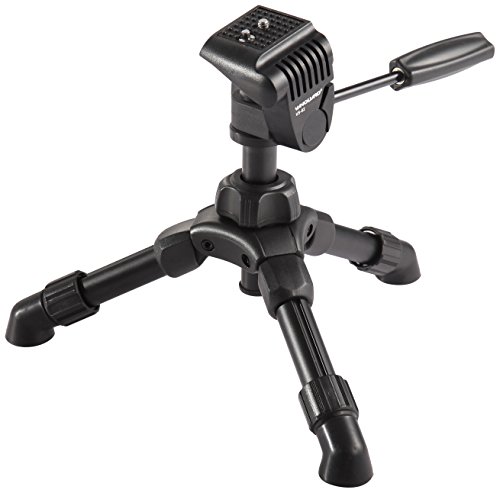 Vanguard VS-82 Table Top TripodView on Amazon
- 6
 Celestron Ultima Pan Tilt Tripod for Spotting ScopesView on Amazon
- 7
 Celestron TrailSeeker Tripod for Spotting ScopesView on Amazon
- 8
 Cayer CH35 Travel TripodView on Amazon
- 9
 Bushnell Advanced Aluminum Tripod for Optics & CamerasView on Amazon
Tripod vs monopod for spotting scope is a choice between steady viewing and easy moving, and the right pick depends on how you spend your time behind the glass. For long, settled viewing from one spot, a tripod holds the scope still while you watch for birds and wildlife. For days when you walk between viewpoints and glass in short bursts, a monopod keeps you moving with less to carry. The listings we compared include tripods only, so this guide answers the comparison from the stated tripod specs, explains where a monopod fits, and ranks the tripods we compared by height, fit and warranty.
Other hives and gear to compare
 SmallRig 71"/ 180cm Aluminum Camera Ball Head Tripod &Check price on Amazon
 Vanguard VS-82 Table Top TripodCheck price on Amazon
 Celestron Ultima Pan Tilt Tripod for Spotting ScopesCheck price on Amazon
 Celestron TrailSeeker Tripod for Spotting ScopesCheck price on Amazon
 Cayer CH35 Travel TripodCheck price on Amazon
 Bushnell Advanced Aluminum Tripod for Optics & CamerasCheck price on Amazon
HiveKeeperGear earns a commission when you buy through links on this site, at no extra cost to you. As an Amazon Associate I earn from qualifying purchases. Affiliate disclosure.
Tripod vs monopod for spotting scope: the short answer
Choose a tripod when you plan to stay in one place and watch for a while. A tripod stands on its own, so the scope stays put while you scan, and your hands stay free for a field guide or a phone on the holder. Choose a monopod when the day means walking: it packs down small, sets up in a moment and moves with you from viewpoint to viewpoint. Neither support is wrong: the tripod wins when the view matters more than the walk, and the monopod wins when the walk matters more than the view.
| Point | Tripod | Monopod |
|---|---|---|
| Stance | Stands on its own, hands free | Held in the hand while you look |
| Steadiness | Steadiest for long looks | Less steady, best for short looks |
| Carry | More to carry, packs into its bag | Lighter to carry on a walk |
| Best for | Settled birding and wildlife viewing | Walk-and-glass days between viewpoints |
The tripods we compared
Both tripods in this guide are aluminum stands built for a spotting scope, binoculars and a camera, and both arrive with a binocular adapter, quick-release plates, a phone holder and a carry bag. Shooting height, warranty and stated binocular fit set the ranking.
| Feature | Lusweimi tripod | Arsoer tripod |
|---|---|---|
| Height range | 16.9 to 69 inches | 16.9 to 69 inches |
| Shooting height with a scope | Up to 72 inches | Up to 73 inches with a birding scope |
| Phone holder | 10cm rotatable holder | 10cm rotatable holder |
| Quick-release plates | 2 | 2 |
| Mounting screw | 1/4-inch | 1/4-inch |
| Carry bag | Included | Included |
| Warranty | 2 years | 1 year |
1. Lusweimi 72-inch tripod
The Lusweimi tripod is the top-ranked pick in this guide. The maker lists an aluminum build with four flip-lock feet, a height range of 16.9 to 69 inches and a shooting height of up to 72 inches with a binocular or a spotting scope, and the detachable head drops the storage height to 16.9 inches. The 1/4-inch screw and the binocular adapter fit binocular models, and a load-bearing hook at the base steadies the stand with a hung backpack. The box holds the tripod, a binocular adapter, a phone holder, a carry bag and 2 quick-release plates, and the maker backs it with a 2-year warranty and 24 months of after-sales service.
2. Arsoer 69-inch tripod
The Arsoer tripod ranks second, and it suits a buyer who wants the highest stated shooting height. The maker lists the same aluminum build and the same 16.9 to 69 inch height range, with a shooting height of up to 73 inches with a birding scope, and the detachable head compresses the stand to 16.9 inches for storage. Leg sheaths add grip, a load-bearing hook at the base takes a backpack for extra stability, and the 1/4-inch screw takes a spotting scope, binoculars, a camera or a phone on the included holder. The box holds the tripod, a binocular adapter, 2 quick-release plates, a phone holder and a carry bag, and the maker lists bird watching, hunting, wildlife viewing and target shooting among the stated uses. The warranty is 1 year, the shorter term of the two and the reason this pick ranks second.
How to choose the best tripod vs monopod for spotting scope
Start with how you watch, then check the specs that match that habit.
Match the height to how you glass
A tripod that adjusts from 16.9 to 69 inches covers sitting and standing viewing, and a shooting height of up to 72 inches or up to 73 inches with a birding scope lets you set the eyepiece at eye level when you stand. If you glass mostly from a chair or a hide, the low end of the range matters more than the top; if you stand on open ground, the top end matters.
Check the fit before you order
Your binoculars need a 1/4-inch threaded hole for the adapter to work, so check that first. The maker of the Lusweimi tripod lists the adapter as fitting binocular models, while the Arsoer tripod takes a spotting scope, binoculars or a camera on the same 1/4-inch screw, and a phone on the included holder. If your scope is angled or straight, that shape changes where the eyepiece sits, so our angled vs straight spotting scope guide is worth a read before you choose a head. A pan head is the part that aims the scope, and our best pan head for spotting scope picks compare heads on their own.
Look at what comes in the box
Both tripods in this guide arrive with a binocular adapter, 2 quick-release plates, a phone holder and a carry bag. Two plates let you leave one plate on the scope and one on the binoculars, so swapping between them is quick, and the 10cm rotatable phone holder gives the phone a steady mount on the tripod. The load-bearing hook takes a backpack to steady the stand when the wind rises.
Weigh the warranty
The Lusweimi tripod carries a 2-year warranty with 24 months of after-sales service, while the Arsoer tripod carries a 1-year warranty. A longer stated term is worth more when the stand sees regular outdoor use, and it is the clearest difference between the two picks in this guide. For birding scopes in general, our best spotting scope for birding picks compare scopes the same way, by stated specs.
FAQs for beekeepers
Can I use a spotting scope tripod with binoculars?
Yes. Both tripods in this guide include a binocular adapter, and your binoculars need a 1/4-inch threaded hole for it to fit. The Lusweimi adapter is listed as fitting binocular models, and the 1/4-inch screw also mounts a spotting scope or a camera.
How tall is a spotting scope tripod?
Both tripods in this guide adjust from 16.9 to 69 inches. The Lusweimi tripod reaches a shooting height of up to 72 inches with a binocular or a spotting scope, while the Arsoer tripod reaches up to 73 inches with a birding scope.
What comes with these tripods?
Each box holds the tripod, a binocular adapter, 2 quick-release plates, a phone holder and a carry bag. The phone holder is a 10cm rotatable holder on both tripods, and the detachable head drops the storage height to 16.9 inches.
Is a tripod or a monopod better for bird watching?
A tripod is better for settled bird watching from one spot, since it stands on its own and holds the scope steady for long looks. A monopod is better for days when you walk between viewpoints and glass in short bursts. The Arsoer tripod lists bird watching among its stated uses, along with hunting, wildlife viewing and target shooting.
How long is the warranty on these tripods?
The Lusweimi tripod carries a 2-year warranty with 24 months of after-sales service, and the Arsoer tripod carries a 1-year warranty. The longer stated term is one reason the Lusweimi tripod ranks first in this guide.
More hive guides
Browse every backyard wildlife guide and all wild birds guides. For the scope itself, see our best spotting scope for long distance guide and our best spotting scope for birding picks.