What Is a Nuc Box? Nucleus Hives Explained for Beekeepers
A nucleus colony box provides a compact hive body for raising queens, catching spring swarms, splitting colonies, and nurturing small honey bee colonies.

On this page
Top picks at a glance
As an Amazon Associate I earn from qualifying purchases.
- 1
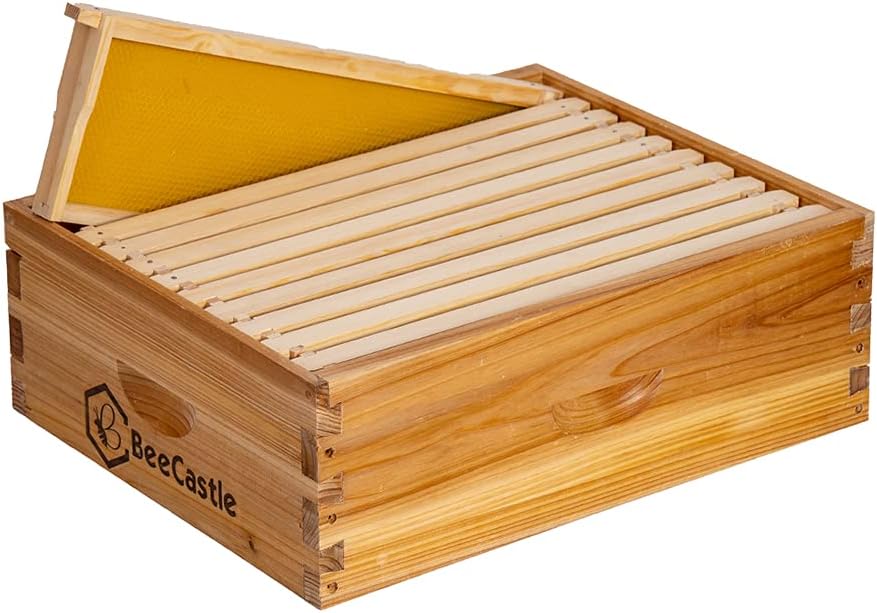 BeeCastle 10 Frame Medium Super Bee Hive Box with 10 Wooden9.7/10View on Amazon
- 2
 BeeCastle Heavy Wax Coated Langstroth Unassembled Deep/Brood9.6/10View on Amazon
- 3
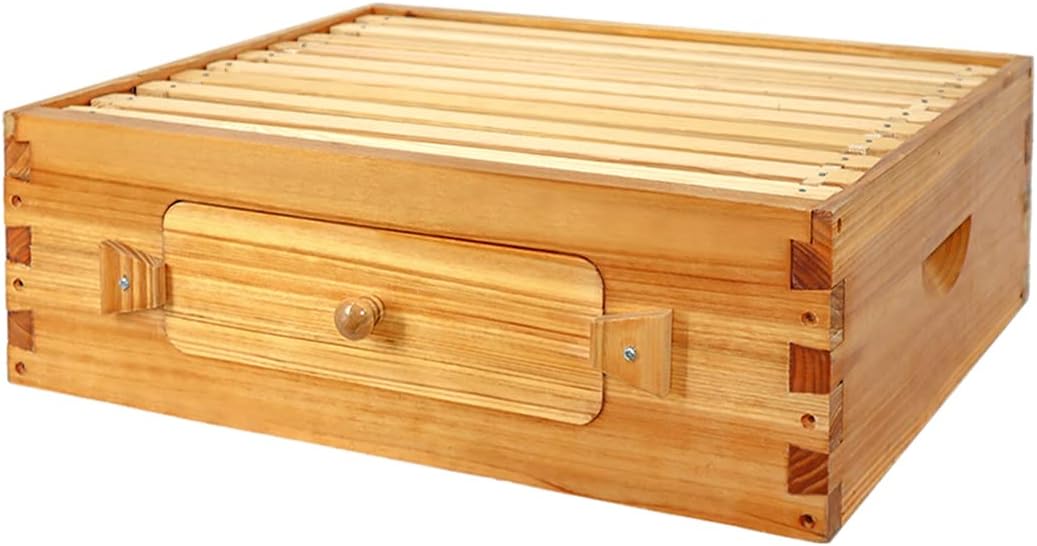 BeeCastle 10 Frame Medium Bee Hive Box with Acrylic9.6/10View on Amazon
- 4
 BeeCastle 5 Frame Bee Hive Nuc Box Coated with 100% BeeswaxView on Amazon
- 5
 Benefitbee 6-Frame Langstroth Beehive Queen Mating Nuc BoxView on Amazon
- 6
 Apimaye 7 Frame Langstroth Nucleus Beehive Nuc BoxView on Amazon
During a routine spring inspection, opening an expanding colony often reveals rapid comb construction and a crowded brood nest. When planning apiary growth or picking up starter colonies, many beginners find themselves asking: what is a nuc box? In simple terms, a nuc box, short for nucleus colony box, is a compact, narrow hive body designed to house a small honey bee colony along with a laying queen, worker bees, brood comb, and food stores. Rather than placing a small cluster into a cavernous full-size hive where maintaining nest warmth and defending the entrance becomes difficult, a nucleus box provides a snug cavity tailored to colony establishment, queen management, and apiary splits.
Other hives and gear to compare
 BeeCastle 5 Frame Bee Hive Nuc Box Coated with 100% BeeswaxCheck price on Amazon
 Benefitbee 6-Frame Langstroth Beehive Queen Mating Nuc BoxCheck price on Amazon
 Apimaye 7 Frame Langstroth Nucleus Beehive Nuc BoxCheck price on Amazon
HiveKeeperGear earns a commission when you buy through links on this site, at no extra cost to you. As an Amazon Associate I earn from qualifying purchases. Affiliate disclosure.
Understanding nucleus colonies in backyard beekeeping
In the craft of beekeeping, healthy colonies continually grow, reproduce, and swarm if space becomes restricted. New beekeepers often ask what is nuc box management and why seasoned apiarists consider these smaller boxes indispensable. A nucleus colony represents the central core of an active bee family. Unlike a package of bees that arrives as loose workers with an unrelated caged queen in an empty box, a nucleus colony comes already established on drawn comb. The frames contain capped brood, emerging larvae, fresh eggs, honey reserves, and pollen stores, centered around an actively laying queen bee.
Because a developing colony requires substantial energy to maintain brood temperatures and protect honey stores from robber bees, cavity volume matters greatly. Standard beehives have wide chambers that suit large, established summer populations. Introducing a modest cluster of bees into a massive chamber forces the worker bees to expend excess honey and energy generating warmth. Placing that same cluster inside a compact nucleus box concentrates hive warmth directly over the brood nest, encouraging faster brood rearing, rapid comb building, and better defense against robbing.
What is a nuc box and how does it work?
At its core, a nucleus box functions as a scaled-down hive body that accepts standard, interchangeable frames. While exterior widths vary depending on construction, the depth and frame rests match conventional equipment so frames move freely between boxes. Understanding what are nuc boxes and how their internal environment functions helps keepers make informed decisions throughout the active season. The box provides an entrance, bottom board, frame rests, inner cover, and outer lid, mimicking every essential function of full-sized Langstroth hives while occupying a fraction of the footprint.
| Application | Apiary Purpose | Colony Benefit | Related Equipment |
|---|---|---|---|
| Colony starter | Receiving newly purchased bees | Immediate egg laying on drawn comb | Beginner bee hives |
| Swarm prevention | Splitting a strong, crowded colony | Relieves brood nest congestion | Hive frames |
| Queen rearing | Mating and evaluating a new queen | Safe isolation for queen development | Bee hive boxes |
| Swarm capture | Housing captured wild clusters | Secure temporary shelter for clusters | Bait hives |
| Resource bank | Storing extra brood and nurse bees | Supports struggling colonies nearby | Hive tools |
Core components of a nucleus hive setup
Just like standard apiary equipment, a functional nucleus setup relies on several matched pieces that create a secure home for bees. The primary component is the box body itself, constructed from solid wood or durable exterior materials. Inside the box, precision-cut rebates support the ears of standard deep or medium frames. Because these frames match standard Langstroth hive dimensions, keepers move comb back and forth across the apiary without trimming or modifying wax foundation.
In many wooden models, an inner cover sits above the frames to provide airflow and prevent bees from cementing the outer lid to frame tops with propolis. The outer cover shields the box from weather. At the base, a solid or screened bottom board provides an entrance that can be reduced to a narrow opening. This reduced entrance makes it much easier for guard bees to inspect incoming foragers and repel robber bees looking for easy honey.
Working nucleus colonies safely in the yard
Inspecting a nucleus colony involves the exact same calm technique used on large production hives, though smaller colonies are often gentler and quicker to examine. Before lifting the outer cover, puffing cool white smoke from a bee smoker at the entrance masks alarm pheromones and encourages workers to gorge on honey. Using a sturdy hive tool, gently pry the lid loose, remove an outside frame to create working space, and inspect brood patterns, food stores, and queen activity without rolling bees against neighboring comb.
Essential uses for nucleus boxes in the apiary
Every beekeeper eventually discovers that keeping empty nucleus boxes on hand solves numerous unexpected apiary problems. The most common use is making a colony split. When an overwintered colony expands rapidly in spring, the brood nest becomes congested, triggering the impulse to swarm. By removing several frames of brood, honey, and attending nurse bees and placing them into a nucleus box, the keeper relieves pressure in the parent hive and creates an entirely new colony.
Nucleus boxes also serve as convenient transport gear for capturing swarms. When a swarm clusters on a nearby branch or fence post, a portable nucleus box provides an ideal lightweight vessel for collecting the cluster. Once the bees and queen are shaken or guided into the box onto drawn comb, the box can be secured and transported safely to a permanent hive stand.
Feeding and nurturing developing colonies
Because a nucleus colony has a modest foraging force, supplemental feeding is frequently necessary during early spring buildup or during nectar dearths. A small colony working to draw new comb can exhaust stored honey quickly if rainy weather keeps foragers inside. Installing an internal division board feeder alongside the frames or placing an inverted jar feeder above the inner cover delivers sugar syrup close to the bees, minimizing robbing pressure while providing vital carbohydrates.
Nucleus colonies also serve as living resource banks for the rest of the apiary. If a production hive loses its queen or suffers an unexpected setback, the keeper can pull a frame of capped brood or queen cells from a thriving nucleus colony to rescue the struggling colony without weakening another primary honey producer.
Moving bees into full-sized hive bodies
A healthy nucleus colony expands rapidly once warm weather arrives and nectar flows begin. Because the interior volume is compact, worker bees quickly fill available frames with brood, nectar, and pollen. If a keeper leaves a crowded colony in a nucleus box too long, the bees will run out of laying space and prepare to swarm. Careful monitoring during routine inspections reveals when the colony is ready for graduation into full-sized equipment.
When bees cover most frames and brood rearing fills the available comb, transfer the frames into a standard hive body before overcrowding triggers swarm preparations. Prepare the destination box on a permanent stand, remove the frames from the nucleus box in their exact existing order, and place them in the center of the larger chamber. Flank the established comb with empty frames containing fresh foundation, and close the hive. Maintaining the original frame orientation preserves the brood nest structure and minimizes stress on the colony.
A seasonal timeline for nucleus colonies
Early spring: Install newly arrived nucleus colonies on warm, calm afternoons. Inspect the frames to verify queen laying activity, provide supplemental sugar syrup if natural nectar is scarce, and maintain a reduced entrance to conserve hive warmth. Late spring: Monitor comb expansion weekly. As worker populations swell and frames become covered with bees, transfer the cluster into a full-sized hive body to prevent swarming. Alternatively, establish new splits from strong parent hives using spare nucleus boxes. Summer: Utilize nucleus boxes to mate newly raised queens or support resource colonies that assist queenless hives. Ensure adequate ventilation and fresh water sources during hot spells. Fall: Evaluate colony strength and food reserves. Combine small, weak nucleus colonies with stronger hives or pack them into insulated winter configurations according to regional climate recommendations. Winter: Keep equipment clean, repair wooden boxes, replace worn hardware, and prepare spare frames for the upcoming spring expansion.
Helpful gear for managing nucleus colonies
- Spare frames with wax foundation for expanding brood nests and replacing dark comb.
- Internal division board feeders that fit snugly alongside frames without leaking syrup.
- Entrance reducers and entrance screens for preventing robbing during dry summer spells.
- Ventilated transport lids for safely moving colonies in vehicles without overheating bees.
- A dedicated notebook or apiary record app to track queen laying dates and inspection findings.
Maintaining thorough inspection notes enables beekeepers to track colony progress, plan equipment needs ahead of time, and recognize when a growing cluster requires more living space.
What a nucleus box does not replace
While nucleus boxes provide immense versatility, they do not replace standard brood chambers or honey supers for long-term honey production. A nucleus box is intended as a temporary nursery, transport vessel, or specialized management tool rather than a permanent home for a mature colony. High-volume honey storage requires stacked supers with substantial comb surface area. Beekeepers must remain prepared to graduate expanding colonies into permanent hive bodies before overcrowding triggers swarming behavior.
FAQs for beekeepers
What is the difference between a nucleus colony and a package of bees?
A package provides loose worker bees with an unrelated caged queen and no comb, requiring the bees to build everything from scratch. A nucleus colony arrives established inside a nuc box with drawn comb, active brood, honey reserves, and an accepted laying queen.
How long can honey bees stay in a nuc box?
Bees typically remain in a nucleus box only until they draw out the comb and cover nearly all frames with adult bees. Once the box becomes crowded, transfer the colony into a full-sized hive body to avoid swarming.
Can a beginner start beekeeping with a nuc box?
Starting with a nucleus colony is widely considered advantageous for beginners because the bees arrive already organized with an active queen and established brood. The colony builds strength faster than a packaged cluster, allowing keepers to focus on learning hive inspections.
Do frames from a nuc box fit into standard beehives?
Standard nucleus boxes are built to hold conventional Langstroth frames. When moving bees into full-sized equipment, simply lift the frames out of the nucleus box and hang them directly into the larger brood chamber.
Why do beekeepers keep spare nuc boxes in the apiary?
Spare boxes allow keepers to capture swarms, perform emergency colony splits, temporarily house extra queens, and support struggling hives with spare brood frames whenever unexpected apiary challenges arise.
More hive guides
Browse every guide by category: beehives, protective gear, hive tools and honey harvesting.
More guides: Explore our picks for the best Langstroth hive, compare hive frames, or view our swarm trap setup guide. New to beekeeping? Start with our beekeeping equipment list for beginners.