3 Layer Bee Suit vs Cotton Suit: Which One Should You Buy?
Compare 3-layer ventilated mesh and traditional cotton bee suits across airflow, sting protection, fabric weight, and maintenance for apiary work.

On this page
Top picks at a glance
As an Amazon Associate I earn from qualifying purchases.
- 1
 3-Layer Ultra Ventilated Sting Proof Bee Suit for Men & Women9.7/10View on Amazon
- 2
 LONGADS Bee Suit for Men9.6/10View on Amazon
- 3
 3 Layer Ventilated Bee Suit for Men & WomenView on Amazon
- 4
 3-Layer Ventilated Beekeeper Suit Veil Ventilated MeshView on Amazon
- 5
 Brutul Bee 3 Layer Beekeeping Ultralight Ventilated Suit WithView on Amazon
- 6
 Flexzion Bee SuitView on Amazon
- 7
 TOPINCN Professional Child Beekeeping Yellow Cotton Suit BeeView on Amazon
- 8
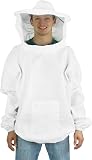 VIVO Professional L Beekeeping Suit WhiteView on Amazon
During a warm summer inspection when hives are crowded with bees and honey supers are filling fast, choosing between a 3 layer bee suit vs cotton suit shapes your comfort and safety in the yard. A 3 layer bee suit provides superior ventilation and sting defense in hot weather by using mesh thickness to create distance between stingers and skin, making it a dependable choice for humid apiaries, whereas a traditional cotton suit offers a lighter, snag-resistant fabric shell suited for mild climates. Both suit styles serve distinct needs across the beekeeping season, depending on local temperatures, colony temperament, and yard maintenance.
Other hives and gear to compare
 3 Layer Ventilated Bee Suit for Men & WomenCheck price on Amazon
 3-Layer Ventilated Beekeeper Suit Veil Ventilated MeshCheck price on Amazon
 Brutul Bee 3 Layer Beekeeping Ultralight Ventilated Suit WithCheck price on Amazon
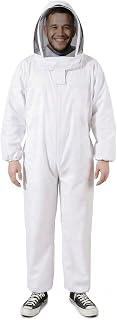 Flexzion Bee SuitCheck price on Amazon
 TOPINCN Professional Child Beekeeping Yellow Cotton Suit BeeCheck price on Amazon
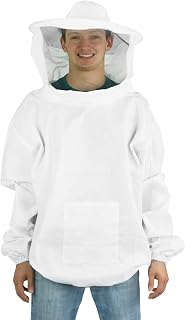 VIVO Professional L Beekeeping Suit WhiteCheck price on Amazon
HiveKeeperGear earns a commission when you buy through links on this site, at no extra cost to you. As an Amazon Associate I earn from qualifying purchases. Affiliate disclosure.
Understanding suit construction: mesh versus solid weave
Protective bee garments rely on distinct principles to guard against bee stings. Traditional cotton suits use tightly woven cotton canvas or polycotton twill. This fabric creates a physical barrier that discourages bees from pushing their stingers through dense fibers. Because cotton canvas is a continuous solid textile, it blocks wind effectively and provides smooth resistance when brushing past vegetation or hive stands. However, a solid weave fabric allows minimal air movement, causing heat and sweat to collect inside the suit on warm afternoons.
In contrast, ventilated bee suits feature a sandwich of 3 separate layers. The outer face is a fine mesh with small openings, the middle layer is a thick porous spacer material such as foam or latex mesh, and the inner lining is a smooth mesh that sits against clothing. Air flows freely through all 3 layers in any passing breeze. Because the 3 plies create physical depth, the outer surface remains suspended away from the body under normal wear. Exploring our cotton vs ventilated bee suit guide highlights how this structural difference influences everyday hive inspections.
3 layer bee suit vs cotton suit: core differences
Evaluating both garments side by side clarifies how construction details translate into apiary performance. While both options cover the entire body from head to ankle, their handling characteristics differ substantially in summer heat, fabric care, and sting prevention.
| Feature | 3 Layer Bee Suit | Cotton Bee Suit | Apiary Consideration |
|---|---|---|---|
| Sting defense mechanism | Fabric depth and standoff distance | Fabric density and weave tightness | Spacer depth reduces stinger reach when loose |
| Summer airflow | Open mesh permits passing breezes | Solid weave blocks air movement | Ventilation reduces heat fatigue |
| Garment weight | Heavier due to multiple mesh plies | Lighter unlayered cloth construction | Comfort during long apiary sessions |
| Fabric snag resistance | Outer mesh can catch on thorns | Smooth cotton slides past brush | Durability around yard vegetation |
| Washing and drying | Gentle wash and drip dry | Machine wash and line dry | Gentle care prevents fabric shrinkage |
1. Sting protection and fabric barrier
The primary consideration when choosing protective gear is how reliably the garment keeps stingers away from your skin. Traditional cotton suits depend on the density of the canvas weave. Under relaxed conditions, thick cotton fabric stops most stings. However, when a beekeeper bends over a brood chamber, kneels on the grass, or lifts a heavy honey super, the cotton cloth pulls taut against shoulders, elbows, and knees. If the fabric rests flat against skin without an air gap, an agitated worker bee can drive its stinger through the woven fibers.
A 3 layer bee suit addresses this by adding physical separation rather than relying solely on fabric tightness. For example, Brutul Fight lists a total thickness of 4mm across its 3 layers, combining polycotton outer layers with a thick latex middle mesh. When the garment hangs loosely, this spacer depth keeps the outer mesh held away from the skin, significantly reducing the likelihood that a stinger reaches the body. However, no bee suit stops every sting under all conditions. If a beekeeper leans heavily against a hive box or pulls the mesh tight across a joint, the spacer material compresses, allowing bees to sting through compressed fabric. Maintaining a loose, relaxed fit is therefore critical for protection in either suit style. Selecting a quality beekeeping suit often depends on whether you prefer mechanical spacer depth or dense cloth weave.
2. Airflow and summer heat ventilation
Heat exhaustion represents a genuine concern during midsummer hive evaluations. Cracking propolis seals and lifting heavy wooden boxes under full sun raises body temperature quickly. When wearing a traditional cotton suit, sweat stays trapped against your clothes, creating a humid microclimate inside the garment. Overheating causes fatigue, which leads to hurried hive inspections, dropped frames, and agitated bees.
By contrast, ventilated suits allow constant air circulation. Any natural breeze passes through the porous mesh, evaporating perspiration and keeping the beekeeper calm and focused. Choosing from dedicated ventilated bee suits provides relief during long afternoons in the apiary, enabling thorough colony assessments without rushing to escape the heat.
3. Fabric weight, flexibility, and sizing
Garment weight and flexibility influence how easily you move around hive equipment. Because 3 layer suits incorporate multiple fabric plies and interior spacer mesh, they feel noticeably heavier when lifted from a hanger than unlayered cotton suits. However, this weight is distributed evenly across the shoulders and waist when worn. Manufacturers construct ventilated garments with generous cuts to allow air circulation and prevent the mesh from pulling tight against joints during movement.
For example, Foxhound Bee Company designs its ventilated sizing to accommodate beekeepers ranging from 4’11” to 6’7″ in height. In chest measurements, US APIARY lists sizing dimensions from 37 inches for size Small up to 49 inches for size 4XL. Traditional cotton suits feel lighter and more pliable on the body when dry, making them comfortable for quick tasks. However, when soaked with sweat, cotton fabric clings to the arms and back. Beekeepers who prefer a lighter garment for brief checks sometimes compare a bee suit vs bee jacket to balance coverage against convenience.
4. Pockets, hardware, and yard durability
Working in the bee yard requires carrying tools, marking cages, and hive notes. Both suit types typically provide ample storage pockets, but ventilated suits often feature heavy reinforcement around high-stress areas. For instance, OZ ARMOUR includes 8 pockets on its suit, while Foxhound Bee Company provides 9 pockets, including designated compartments for hive tools. Deep pockets prevent metal tools from sliding out when bending over open boxes.
Hardware quality is equally critical. Brass zippers with oversized pull tabs allow easy closure while wearing heavy gloves. Neck zippers must overlap completely beneath Velcro flaps to seal the collar against searching bees. When choosing a veil design, beekeepers often consult our fencing veil vs round veil comparison to balance wide field of view against overhead clearance. In terms of external durability, cotton suits hold a clear advantage when navigating rough terrain. The smooth surface of woven cotton slips past blackberry canes and rose thorns without snagging, whereas the open weave of ventilated outer mesh can pull or tear on sharp branches.
5. Cleaning, washing, and fabric care
Regular cleaning removes propolis, honey smears, and alarm pheromones left behind by guard bees. When bees sting fabric, they release alarm pheromones that mark the suit for further defensive attention on subsequent visits. Washing protective gear maintains a neutral scent and extends fabric life.
Cotton suits are straightforward to clean. After unzipping and setting aside the veil, the cotton body can be machine washed to remove hive debris and perspiration. However, beekeepers generally hang cotton suits to line dry or use low heat settings, as high dryer temperatures can shrink cotton fibers and degrade elastic cuffs at the wrists and ankles. In comparison, 3 layer ventilated suits also require gentle drying; high dryer heat can warp synthetic spacer mesh. Washing the suit body on a gentle cycle and hanging it to drip dry preserves the structural depth of the mesh plies. Detachable veils for both styles must always be hand-washed separately to avoid creasing metal mesh or tearing fine nylon face screens.
Choosing the right suit for your apiary
Selecting between these two styles depends on your local climate, seasonal routine, and working environment. Neither suit is universally superior; each solves specific challenges encountered in the bee yard.
A 3 layer bee suit is the sensible investment if:
- You conduct hive inspections in hot, humid summer weather where airflow prevents heat exhaustion.
- You manage defensive colonies and want the physical separation of multi-layer spacer depth.
- You spend long, continuous sessions in the apiary inspecting multiple hives.
A traditional cotton suit is the sensible selection if:
- You keep bees in cooler northern climates where ventilation is unnecessary or counterproductive.
- Your apiary is surrounded by thick briars, thorny hedges, or brush that could snag mesh.
- You prefer a lighter garment that is straightforward to machine wash between inspections.
Regardless of the suit style you choose, pairing your garment with durable beekeeping gloves, a reliable bee smoker, and a versatile hive tool will keep inspections smooth, calm, and safe.
FAQs for beekeepers
Can bees sting through a 3 layer bee suit?
While the spacer mesh creates depth that keeps most stingers away from skin, no suit stops every sting. If the fabric is compressed tightly against the body while bending or lifting, bees can still penetrate compressed mesh.
Is a 3 layer bee suit cooler than a cotton bee suit?
Yes. The open mesh allows passing breezes to circulate freely, promoting evaporative cooling during hot summer inspections. A cotton suit blocks airflow and traps body heat inside the garment.
Are 3 layer bee suits heavier than cotton suits?
Ventilated mesh suits are heavier than cotton suits because they incorporate multiple plies of fabric and spacer mesh. However, many beekeepers find the extra weight worthwhile for the cooling airflow and sting standoff distance.
How do you wash a 3 layer ventilated bee suit?
Remove the veil before washing and clean the suit body on a gentle cycle, then hang it to drip dry. High dryer heat can damage the internal spacer mesh and elastic cuffs.
Which veil style works best with these suits?
Ventilated and cotton suits are available with fencing veils or round veils. Fencing veils unzip forward for quick sips of water, while round veils keep mesh away from the face when turning your head.
More hive guides
Browse every guide by category: beehives, protective gear, hive tools and honey harvesting.
More picks: Explore our best beekeeping suit roundup, check best ventilated bee suit options, or read our guide on cotton vs ventilated bee suit choices.