Beekeeping Boots vs Garden Boots: Which One Should You Buy?
Tall, mid calf, ankle and short waterproof boots compared for hive work, so you can match height, grip and lining to the job at hand.

On this page
Top picks at a glance
As an Amazon Associate I earn from qualifying purchases.
- 1
 NINGO Men's Steel Toe Waterproof PVC Knee High Rain Boots9.7/10View on Amazon
- 2
 Fubotao Women's Mid Calf Rain Boots Waterproof Fashion GardenView on Amazon
- 3
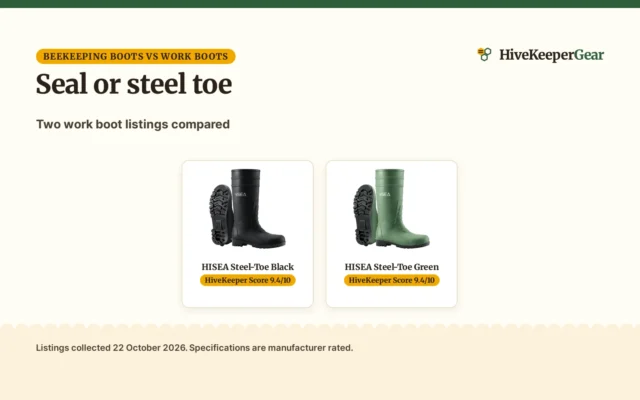
 HISEA Men's Steel-Toe Rain BootsView on Amazon
- 4
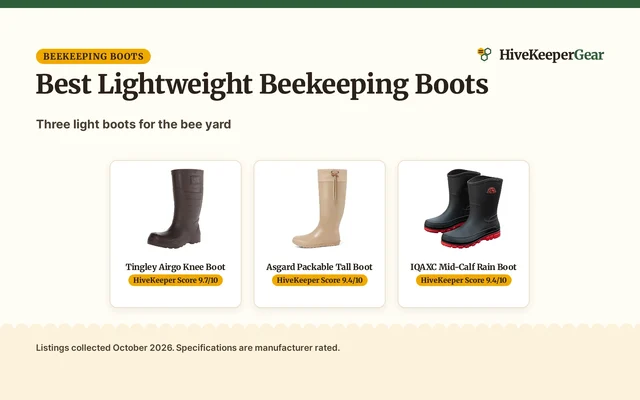
 Asgard Women's Mid Calf Rain Boots Waterproof Garden Slip onView on Amazon
- 5
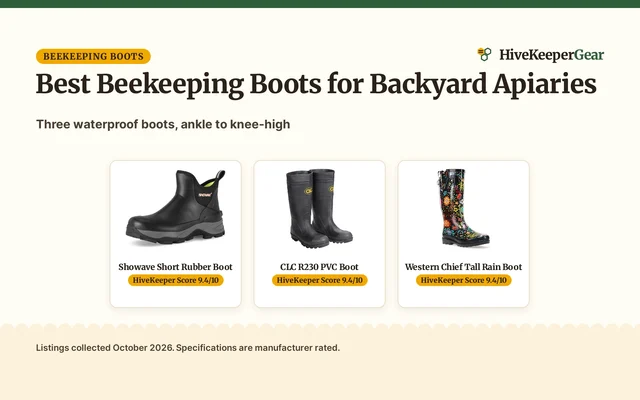
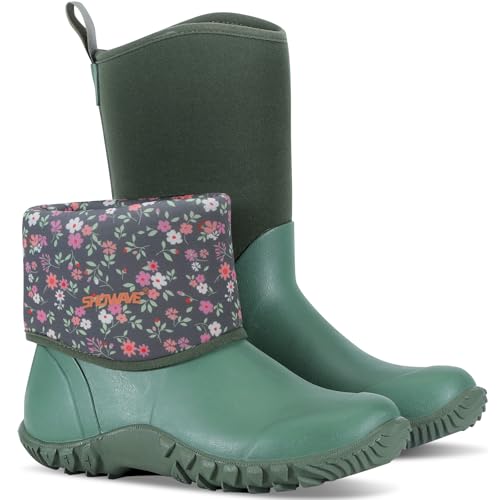 Showave Women's Rain Boots Waterproof Garden Boots Rubber MudView on Amazon
- 6
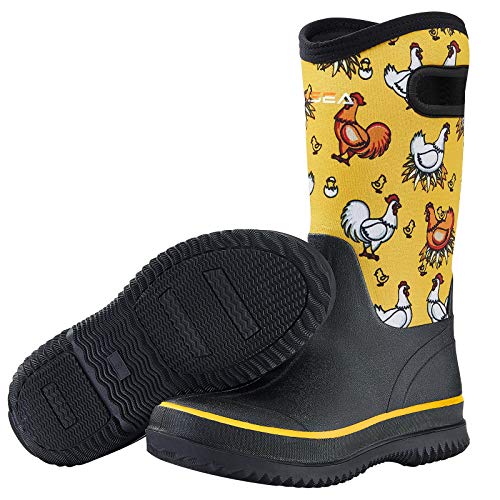 HISEA Women Mud Boots Waterproof Mid Calf Neoprene RubberView on Amazon
Beekeeping boots vs garden boots comes down to coverage. At the hive, boots that cover the ankle and lower leg leave less skin exposed where a suit leg meets the boot, while garden boots are mainly chosen to keep feet dry through mud and wet grass. The listings in this guide cover tall, mid calf, ankle and short heights, and the right choice depends on whether the boots will stand at an open hive or only carry you through garden chores.
Other hives and gear to compare
 Fubotao Women's Mid Calf Rain Boots Waterproof Fashion GardenCheck price on Amazon
 HISEA Men's Steel-Toe Rain BootsCheck price on Amazon
 Asgard Women's Mid Calf Rain Boots Waterproof Garden Slip onCheck price on Amazon
 Showave Women's Rain Boots Waterproof Garden Boots Rubber MudCheck price on Amazon
 HISEA Women Mud Boots Waterproof Mid Calf Neoprene RubberCheck price on Amazon
HiveKeeperGear earns a commission when you buy through links on this site, at no extra cost to you. As an Amazon Associate I earn from qualifying purchases. Affiliate disclosure.
Beekeeping Boots vs Garden Boots: What Sets Them Apart
The main difference is height and closure. A tall boot reaches up the calf and can meet the leg of a suit, leaving little exposed skin between boot top and suit cuff. A mid calf boot covers the ankle and part of the lower leg, which suits many hive visits. An ankle boot or a short Chelsea boot is quick to pull on and easy to walk in, but it leaves the lower leg open, so it fits garden work better than hive work.
Material matters too. The tall boot uses rubber and the mid calf and short boots use PVC, all described as waterproof, with linings that range from a soft polyester and cotton blend to polyester or a breathable lining. Outsoles vary from a lug pattern that the maker says is self-cleaning to a deep tread pattern made for slick decks and muddy trails. For hive work, a tall waterproof shell, a close fit at the top and a grippy outsole are the traits to weigh first. For garden work, easy cleaning matters more than top height, and a short boot may be all you need.
The Boots in This Guide
Western Chief Tall Rain Boot
The listing states a tall rubber boot with handmade vulcanized construction, which the maker says prevents weak spots in seams. The lining is a soft polyester and cotton blend that absorbs moisture, the EVA insole is removable for cleaning and replacement, and the slip-resistant lug outsole is self-cleaning. The listing states size 8. This is the strongest hive-work pick in the group because its tall height gives the most coverage, and the removable insole helps with long days on foot.
Fubotao Mid Calf Rain Boot
The listing states a mid calf PVC boot formed in one piece, seamless and waterproof, with a boot opening ranging from 14.0 inches to 15.0 inches. The lining is polyester, described as giving good air permeability, and the top has an artificial leather collar with a decorative buckle on the side. The listing states size 6.5. This boot suits keepers who want solid ankle and lower-leg coverage without the full height of a tall boot, and the maker says it wipes clean with cold water or a damp cloth.
ZCVQX Ankle Deck Boot
The listing states an ankle deck boot with complete waterproof coverage, a safety outsole with deep tread patterns for wet surfaces, a flexible ankle collar and a reinforced pull loop for quick wear. The cushioned insole and breathable lining are described as keeping feet dry and comfortable during extended wear. The listing states size 8 and color Grey. This boot fits garden, fishing and wet-yard chores well, but its ankle height leaves the lower leg open, so it is a weaker pick for standing at an open hive.
Fubotao Short Chelsea Rain Boot
The listing states a short PVC Chelsea boot formed in one body without water seepage, with a non-slip underside. The heel height is about 1.5 inches and the EVA insole is about 2.4 inches thick, described as bringing massage-like comfort. The inside is soft and skin-friendly, and the maker says the boots can be washed with clean water and dried with a rag. The listing states size 8.5 and color Green. This short boot suits quick garden jobs, but its short height makes it the least suited of the group for hive work.
How to Choose Beekeeping Boots vs Garden Boots
Match height to the job
For hive visits, start with tall or mid calf boots, since height helps close the gap between boot and suit leg. The Western Chief tall boot and the Fubotao mid calf boot both cover the ankle and lower leg, while the ankle and short boots leave the lower leg exposed. For garden chores alone, any height works, and a short or ankle boot may be more comfortable for walking.
Check fit with the rest of your protective gear
Boots do not work alone at the hive: they meet the suit or jacket leg, and gloves cover the hands. Our bee suit picks and beekeeping gloves picks cover the other pieces, and the protective gear guides bring them together. When you compare boots, look at how the boot top will sit under a suit leg, and whether the opening stays close to the leg while you bend and lift.
Weigh grip, lining and cleaning
Wet grass, mud and slick decks call for a grippy outsole, and the listings here offer a lug pattern, a deep tread pattern and a non-slip underside. Linings range from a soft polyester and cotton blend to polyester and a breathable lining, so comfort on long wear depends on which lining the listing states. Cleaning is simple across the group: one maker says to wipe with cold water or a damp cloth, another says to wash with clean water and dry with a rag, and the tall boot has a self-cleaning outsole.
Storage between visits
Store boots where they can dry fully between visits, away from damp floors and sharp hive tools. A dry boot keeps its lining fresh, and a quick wipe after muddy work keeps tread patterns clear for the next visit.
FAQs for beekeepers
Can garden boots work for beekeeping?
They can for yard chores around the apiary, but at an open hive a tall or mid calf boot covers the ankle and lower leg better than an ankle or short boot. The tall Western Chief boot and the mid calf Fubotao boot are the stronger hive-work picks in this guide.
What boot height works best at the hive?
Tall boots give the most coverage, followed by mid calf boots. Ankle and short boots are quicker to wear but leave the lower leg open, so they suit garden jobs more than hive visits.
Do these boots keep feet dry?
Each listing describes its boot as waterproof. The tall boot uses handmade vulcanized rubber construction, the mid calf and short boots are formed in one piece, and the ankle boot claims complete waterproof coverage.
How do I clean these boots?
One maker says to wipe with cold water or a damp cloth, another says to wash with clean water, dry with a rag and put the boots in a cool place. The tall boot has a self-cleaning lug outsole, so debris clears from the treads during wear.
What sizes do the listings state?
The tall boot listing states size 8, the mid calf listing states size 6.5, the ankle boot listing states size 8, and the short boot listing states size 8.5. Check the listing for the size you need, since each listing states only its own size.
More hive guides
Browse every protective gear guide, compare bee suits and beekeeping gloves, or see more boots for women.