Best Bait for Hive Beetle Traps (2026): What to Put in Traps
Discover the most effective bait for small hive beetle traps, how cider vinegar and vegetable oil work together, and how to place traps inside your beehive.

On this page
Top picks at a glance
As an Amazon Associate I earn from qualifying purchases.
- 1
 Small Hive Beetle Traps9.5/10View on Amazon
- 2
 Foxhound Bee Company Beetle Traps for Beekeeping9.6/10View on Amazon
- 3
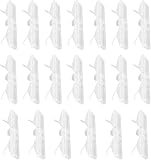 HunterBee Hive Beetle Traps9.5/10View on Amazon
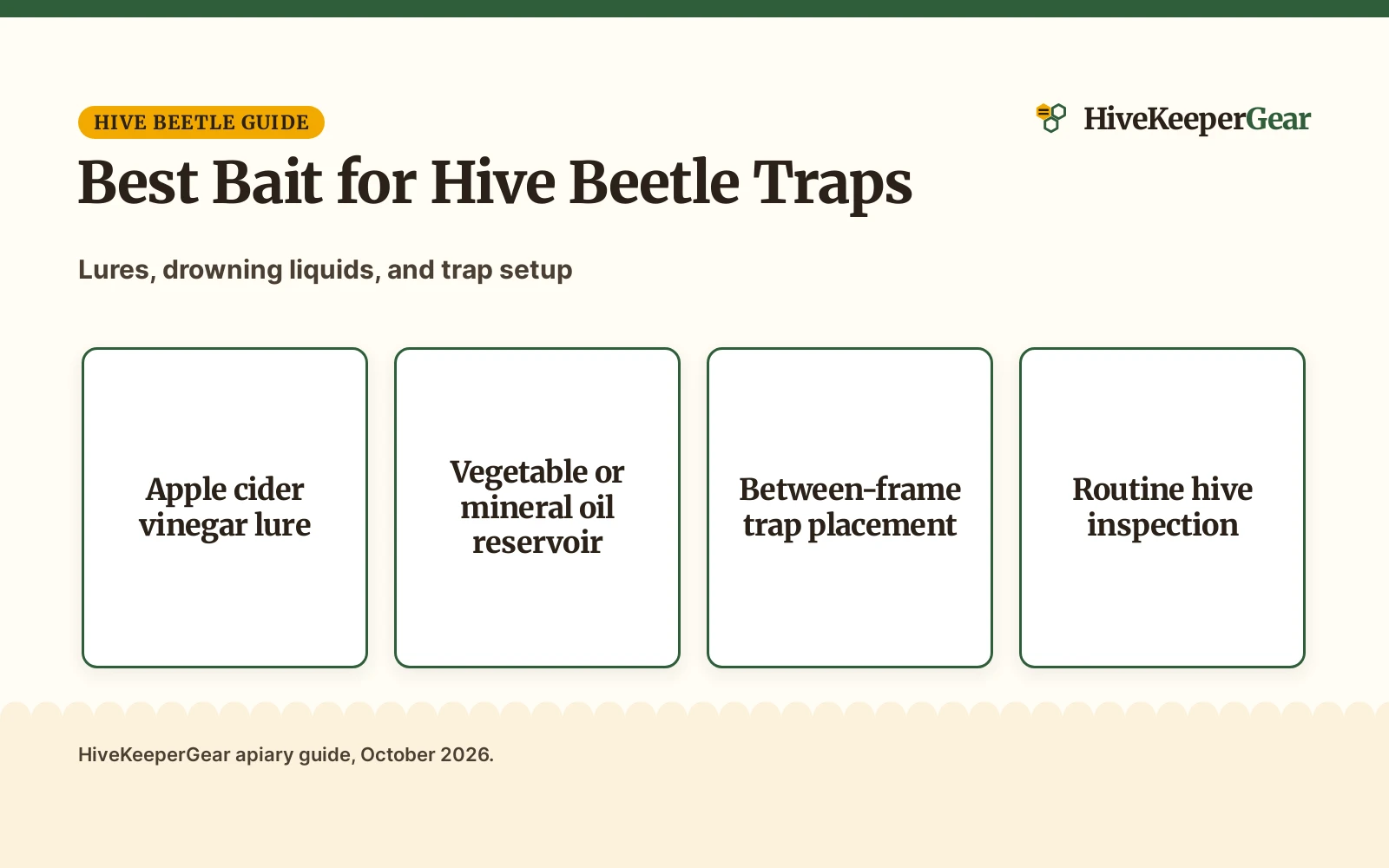
The best bait for hive beetle traps is apple cider vinegar paired with food-grade vegetable oil or mineral oil as a drowning liquid. Small hive beetles seek out the fruity, fermenting odor of cider vinegar, while European honeybees naturally ignore it. When beetles enter between-frame traps to reach bait or hide from worker bees, they slip into the oil and drown. Below, we compare bait options and explain how traps function.
HiveKeeperGear earns a commission when you buy through links on this site, at no extra cost to you. As an Amazon Associate I earn from qualifying purchases. Affiliate disclosure.
Before setting traps: understanding the small hive beetle
Small hive beetles invade colonies to feed on pollen, brood, and comb. In strong colonies, worker bees defend brood areas by chasing beetles into cracks, under frame lugs, and along inner cover edges where guard bees monitor them.
Between-frame beetle traps exploit this defensive behavior. Narrow entrance slits admit beetles while excluding worker bees. Positioned along top bars where bees herd pests, traps provide an apparent refuge. An unbaited trap relies on bees driving beetles into slots, whereas an attractant lure draws beetles by scent even when bee pressure is low. Managing hive pests with between-frame traps is an essential part of using beekeeping tools.
The best bait for hive beetle traps, compared
The table below compares common trap lures and drowning liquids, their primary roles, and their safety inside a managed colony.
| Trap Liquid or Bait | Primary Role | Key Advantage | Honeybee Safety |
|---|---|---|---|
| Apple cider vinegar | Attractant bait | Mimics fermenting hive scent that lures beetles | Safe; worker bees ignore the vinegar aroma |
| Vegetable cooking oil | Drowning liquid | Readily available and suffocates trapped beetles | Food safe; harmless if small drips occur |
| Food-grade mineral oil | Drowning liquid | Does not spoil or turn rancid in summer heat | Food safe and odorless in the hive |
| Vinegar and oil combination | Lure plus drowning agent | Provides scent attraction and drowning in separated compartments | Food safe; worker bees are excluded by trap slots |
| Mineral oil alone without bait | Mechanical drowning trap | Relies on bees corralling beetles into the trap without replenishing lures | Food safe and odorless in the hive |
1. Apple cider vinegar as an attractant lure
Apple cider vinegar is the leading attractant bait for small hive beetle traps. Adult beetles locate hives by following airborne scents of fermenting fruit, pollen, and yeast. Cider vinegar produces an aroma that closely mimics these fermentation odors.
Honeybees show little interest in pure apple cider vinegar. While sweet feeds such as honey or sugar syrup provoke robbing and drown bees, cider vinegar attracts beetles without pulling worker bees toward trap slots. Bait wells must never contain honey or syrup.
When using traps with separate compartments, add a splash of apple cider vinegar into the central bait chamber. The vapor disperses through top ventilation slots to guide beetles in. In traps lacking a separate bait chamber, beekeepers typically use mineral oil alone, relying on bees to corral pests into the reservoir.
2. Food-grade vegetable and mineral oils
While cider vinegar serves as an attractant lure, oil serves as the drowning reservoir. Adult beetles possess rigid exoskeletons that protect them from bee stings, but oil coats their spiracles and suffocates them. Trapped beetles cannot climb slick plastic walls or fly away.
Beekeepers choose between cooking oil and food-grade mineral oil. Cooking oils such as canola or corn oil are accessible and food safe. In high heat, vegetable oils can oxidize and thicken over time. Food-grade mineral oil remains clear, odorless, and stable throughout summer.
Fill drowning compartments partially, leaving clearance below entrance slots. Overfilled reservoirs risk splashing oil onto comb during frame inspections.
3. Loading and positioning traps between frames
Proper placement determines trap effectiveness. Small hive beetles flee bee activity toward dark recesses. The most productive locations for traps are between outer frames in the top brood box or an upper box where bees herd pests away from brood.
Between-frame traps feature tabs that rest on top bars. Spread adjacent frames using a hive tool, then lower the trap until its flanges sit flush on frame shoulders. The trap hangs in the bee space between combs without bowing foundation.
Ensure the hive rests level on its stand to prevent oil from pooling against one side. Wearing clean beekeeping gloves provides secure grip when handling liquid-filled traps.
4. Inspection routine and trap maintenance
Inspect beetle traps during routine brood checks. Through slotted lids, monitor beetle counts and liquid clarity. Traps continue working as long as oil remains fluid and slots stay clear.
Honeybees often propolize trap openings to seal beetles inside. Use a hive tool to scrape propolis from entrance slots. When reservoirs become congested with dead beetles, lift the trap vertically to avoid spills.
Dispose of spent oil away from the apiary. Wash reusable traps in warm water with mild unscented soap. Our guide on how to clean beekeeping tools covers methods for removing sticky hive residues. Once dry, refill and reinstall the trap.
5. Colony strength and apiary management
Traps provide mechanical help, but a populous colony remains the primary defense against beetle damage. In strong hives, worker bees patrol comb, harassing adult beetles and preventing them from feeding or laying eggs.
Weak colonies or oversized boxes leave comb unpatrolled where beetles multiply. Match hive volume to bee numbers, removing empty supers until populations expand. On smaller colonies, fitting a hive entrance reducer restricts the entrance so guard bees can defend it effectively.
Apiary siting also affects beetle numbers. Beetle pupae develop in damp, shaded soil. Placing hives in full sunlight warms the hive and dries surrounding ground, creating unfavorable conditions for beetle pupation.
Seasonal timing for beetle management
Spring buildup: Overwintered adult beetles become active as temperatures rise. Install freshly baited traps between top bars during early spring inspections before reproduction begins.
Summer honey flow: Beetle reproduction peaks during humid midsummer weather. Monitor oil levels regularly as bees fill boxes. Use a bee smoker to clear bees from trap tabs during frame handling.
Late summer and harvest: When supers are removed, bee density shifts. Keep baited traps active to protect vulnerable comb.
Autumn and winter preparation: Bees form a tight winter cluster as temperatures drop. Remove between-frame oil traps before cold weather arrives to avoid spills while bees cluster tightly.
Additional equipment for beetle management
Beyond between-frame traps, other equipment options complement beetle control:
- A screened bottom board with an oil tray captures beetles falling through the mesh floor.
- Comparing a screened vs solid bottom board helps determine if oil trays suit your climate.
- A specialized J-hook hive tool offers leverage for lifting propolized trap tabs.
- Unscented fibrous beetle cloths placed over top bars snare beetle legs in fine fibers.
- Reusable plastic beetle traps with locking lids provide durability for recurring pest pressure.
Combining traps with strong colonies keeps beetle numbers low, letting bees focus on brood and honey.
What not to put in beetle traps
Certain substances must never enter beetle traps. Honey, pollen substitute, and sugar syrup attract honeybees and wasps, drowning worker bees and risking robbing frenzies.
Synthetic pesticides, agricultural insecticides, and chemical dusts must never enter traps. Harsh chemicals volatilize into hive air, contaminating honey and comb while harming the colony.
Strongly scented oils, artificial flavorings, and extracts must also be avoided, as they can disorient bees or taint honey stores. Rely strictly on food-grade vegetable oil, food-grade mineral oil, and plain apple cider vinegar.
FAQs for beekeepers
How do hive beetle traps work?
Hive beetle traps exploit the beetle’s habit of fleeing worker bees into crevices. Bees herd beetles to margins and top bars, where pests slip through slots into oil and drown.
What do you put in a hive beetle trap?
Pair apple cider vinegar as an attractant lure with food-grade vegetable or mineral oil as a drowning liquid. Never use honey or sugar syrup, which attracts bees.
How to use a hive beetle trap?
Fill wells partially with food-grade oil, add cider vinegar to the bait chamber, and suspend the trap between outer top bars. Scrape propolis off slots and refill when cloudy.
How to prevent hive beetles?
Maintain strong, queenright colonies that cover all comb, place hives in full sun, and remove unused supers. Robust worker populations naturally suppress beetles.
How to control hive beetles during heavy infestations?
Combine baited between-frame traps with bottom board oil trays, clean up burr comb, and reduce empty boxes to help bees defend the space.
More hive guides
Browse every guide by category: beehives, protective gear, hive tools and honey harvesting.
More picks: explore our guide to beekeeping supplies for beginners, find the best hive tool for routine inspections, or see our best bee smoker comparisons.