Can Bumble Bee Sting? A Calm Guide for the Bee Yard
A female bumble bee can sting, but only when it feels trapped or its nest is threatened, so calm movements and space keep most encounters peaceful.

On this page
Top picks at a glance
As an Amazon Associate I earn from qualifying purchases.
- 1
 Mason Bee House Wax Coated Bee Hotel9.6/10View on Amazon
- 2
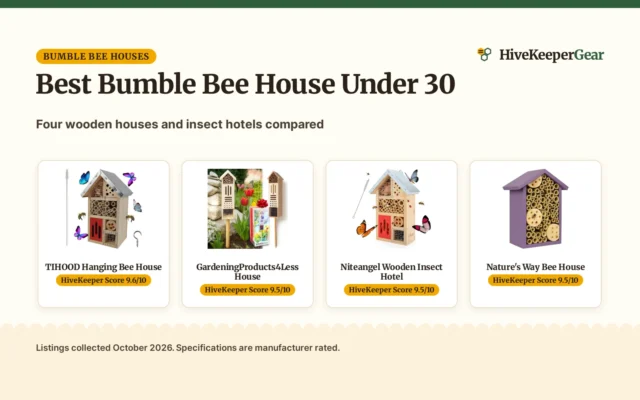
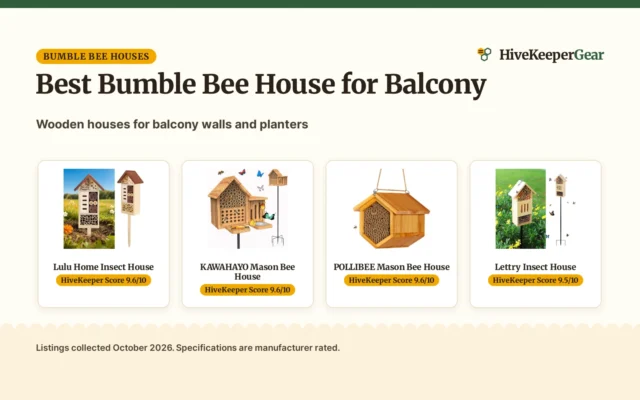
 KAWAHAYO Mason Bee House with Feeders and Metal Stake9.6/10View on Amazon
- 3
 TIHOOD Natural Wooden Hanging Bee House with Bamboo Tubes and9.6/10View on Amazon
- 4
 Prorofessional Bee Suit for Men & Women Sting ProofView on Amazon
- 5
 Ultra-Ventilated Beekeeping SuitView on Amazon
On a warm afternoon in the bee yard, a big bumble bee drifts past the veil and hovers near the hive entrance, and the question rises right away: can bumble bee sting? Yes, a female bumble bee can sting, though it does so only when it feels trapped or its nest is in danger. A bumble bee would rather keep gathering nectar and pollen than pick a fight, and most stings happen when a person steps on a nest entrance, pins a bee against skin, or disturbs a colony without knowing it is there. This guide explains who can sting, when it happens, and how to share the yard with these gentle pollinators.
Other hives and gear to compare
 Prorofessional Bee Suit for Men & Women Sting ProofCheck price on Amazon
 Ultra-Ventilated Beekeeping SuitCheck price on Amazon
HiveKeeperGear earns a commission when you buy through links on this site, at no extra cost to you. As an Amazon Associate I earn from qualifying purchases. Affiliate disclosure.
Who can sting, and who cannot
A bumble bee colony is built around a queen and her female workers, with male drones appearing later in the season, and only the females carry a stinger. The queen can sting when she feels threatened, and workers sting only when they sense danger to themselves or the colony. Drones have no stinger at all, so a male bumble bee cannot sting no matter how closely it inspects a flower or a person. Telling males from females at a glance is hard, since they look much alike, so the safe habit is to treat every bumble bee with the same calm respect.
A bumble bee stinger is smooth, unlike a honey bee worker’s stinger, which catches in skin. That smooth shape means a bumble bee can sting again if it stays trapped or threatened, though it rarely needs to. A sting is a last resort, not a hunting tool: bumble bees gather nectar and pollen, and they spend their days moving from flower to flower.
Can bumble bee sting again
Yes, a bumble bee can sting again, because its stinger is smooth and slips free after use. A honey bee worker’s stinger has barbs that catch, while a bumble bee stinger slides out cleanly, so the same bee can sting again if the threat stays. In practice, a bumble bee that has stung usually flies off and looks for a way back to its nest. The best protection is to avoid the trap altogether: move slowly, keep hands away from the nest entrance, and let a bee that lands on clothing walk off or fly away on its own.
When a bumble bee stings
A bumble bee stings when it feels cornered, squeezed, or when its nest is disturbed. Stepping on a nest entrance, kneeling on a bee in the grass, or reaching into a wall cavity that holds a colony are the common ways people get stung. Lawn mowers and string trimmers can also stir a colony, since the vibration and noise read as danger to the bees inside. A bumble bee away from its nest, out on a flower, is far less likely to sting, since it has no colony to guard and can simply fly off.
Warning signs are easy to read when you know them: bees circling close, bumping against a veil, or hovering in a tight cloud near the nest entrance mean the colony feels threatened. Back away slowly and give the area a wide berth, and the bees will settle after the threat has passed. Swatting at a bee makes things worse, since fast movement reads as danger, and a crushed bee can draw more defenders to the spot.
Where bumble bees nest
Bumble bees nest close to the ground, often in an old mouse nest, a tuft of dry grass, a compost heap, or a gap under a shed. Some colonies move into wall cavities, bird boxes, or the space under a deck. A nest is small and easy to miss, with a low hum and bees coming and going through a narrow entrance.
If a nest turns up in a path, a play area, or a spot where people pass often, the kindest choice is usually to leave it alone and mark the area so others give it room. Colonies fade on their own as the season ends, and the nest is empty by cold weather. Moving a colony is a job for an experienced beekeeper, since a disturbed nest defends itself, and a veil and suit are part of that work.
Working near a nest
When work must happen near a nest, slow movements and a veil make the job calmer for everyone. A full suit or a jacket with a veil keeps a bee off the face, and gloves keep hands covered while lifting boards or moving gear. Loose cuffs and open collars are worth closing, since a bee that crawls inside clothing can sting when it feels squeezed. The bee veil vs bee suit guide compares face and body protection, and the sting-resistant and ventilated suits compared guide weighs calm coverage against airflow on hot days.
Smokers and hive tools belong to honey bee work, not bumble bee nests, and a smoker does not calm a bumble bee colony the way it calms a honey bee hive. The best tool near a bumble bee nest is patience: work in the cool of the morning or evening, when fewer bees are flying, and keep the visit short.
Bumble bees in the garden
In the garden, bumble bees are pollinators at work, moving from bloom to bloom with pollen dusted on their bodies. They work flowers of many shapes, from open blooms to deep tubes, depending on the species, and they keep flying in cool, cloudy weather when honey bees stay home. A garden full of bumble bees is a garden being pollinated, and the bees will leave people alone as long as people leave them alone. The guide to bee houses looks at whether a garden house helps wild bees, and the bumble bee house vs leafcutter bee house comparison sorts out which shelter suits which bee.
Planting for bumble bees means planting flowers that bloom across the seasons, from early spring bulbs to late summer herbs, so forage never runs dry. A shallow dish of water with pebbles to land on gives thirsty bees a safe drink, and a patch of undisturbed grass with old burrows gives queens somewhere to look for a nest site. Leave some leaf litter and hollow stems standing through winter, since those are the dry shelters wild bees use.
FAQs for beekeepers
Can bumble bee sting through clothing?
A bumble bee can sting through thin, tight clothing when the fabric presses against skin, though loose layers make it harder. A veil, a suit, and gloves are the usual answer for work near a nest, and no suit or glove stops every sting. Calm movements matter as much as fabric, since a bee that is not squeezed or trapped has no reason to sting.
Do male bumble bees sting?
No, male bumble bees, called drones, have no stinger, so they cannot sting. Only the queen and the female workers carry a stinger, and they use it only to defend themselves or the nest.
Can bumble bee sting again after it stings?
Yes, a bumble bee can sting again, because its stinger is smooth and slips free. A honey bee worker’s stinger has barbs that catch in skin, while a bumble bee stinger slides out cleanly, so the same bee can sting again if it stays trapped or threatened.
What should you do if a bumble bee nest is in your yard?
Leave it alone when you can, and mark the area so others give it room. A colony fades on its own as the season ends, and the nest is empty by cold weather. If the nest sits where people must pass, ask an experienced beekeeper for help moving it, since a disturbed nest defends itself.
Are bumble bees aggressive?
No, bumble bees are among the calmest bees in the yard. They sting only when they feel trapped, squeezed, or when their nest is disturbed, and a foraging bee on a flower would rather fly off than fight. Give them space, move slowly, and they will go about their work.
More hive guides
Browse the bee hotel vs bumble bee house comparison, the how to start a bee hive guide, and what a mason bee is for more on the bees that share your yard.