Chinese Grafting Tool vs Master Grafting Tool Guide
Chinese and master grafting tools compared on tip design, plunger action, weight and value, with real figures from current Chinese grafting tool listings.

On this page
Top picks at a glance
As an Amazon Associate I earn from qualifying purchases.
- 1
 MODUODUO 4-Pc Bee Grafting Needles9.3/10View on Amazon
- 2
 Walfront Queen Bee Rearing Kit9.5/10View on Amazon
- 3
 Beekeeping ToolsView on Amazon
- 4
 Queen bee Grafting Tool 10pcs Beekeeping MovingTools ShiftView on Amazon
- 5
 dophee 10Pcs Beekeeping Moving Larva Rearing Grafting ToolsView on Amazon
- 6
 Beekeeping Moving Grafting Needle Tool 15PCS Queen RearingView on Amazon
- 7
 Beekeeping Shift pin Worm Moving Grafting Tools 2pcsView on Amazon
- 8
 V-Cut Top Grafting ToolView on Amazon
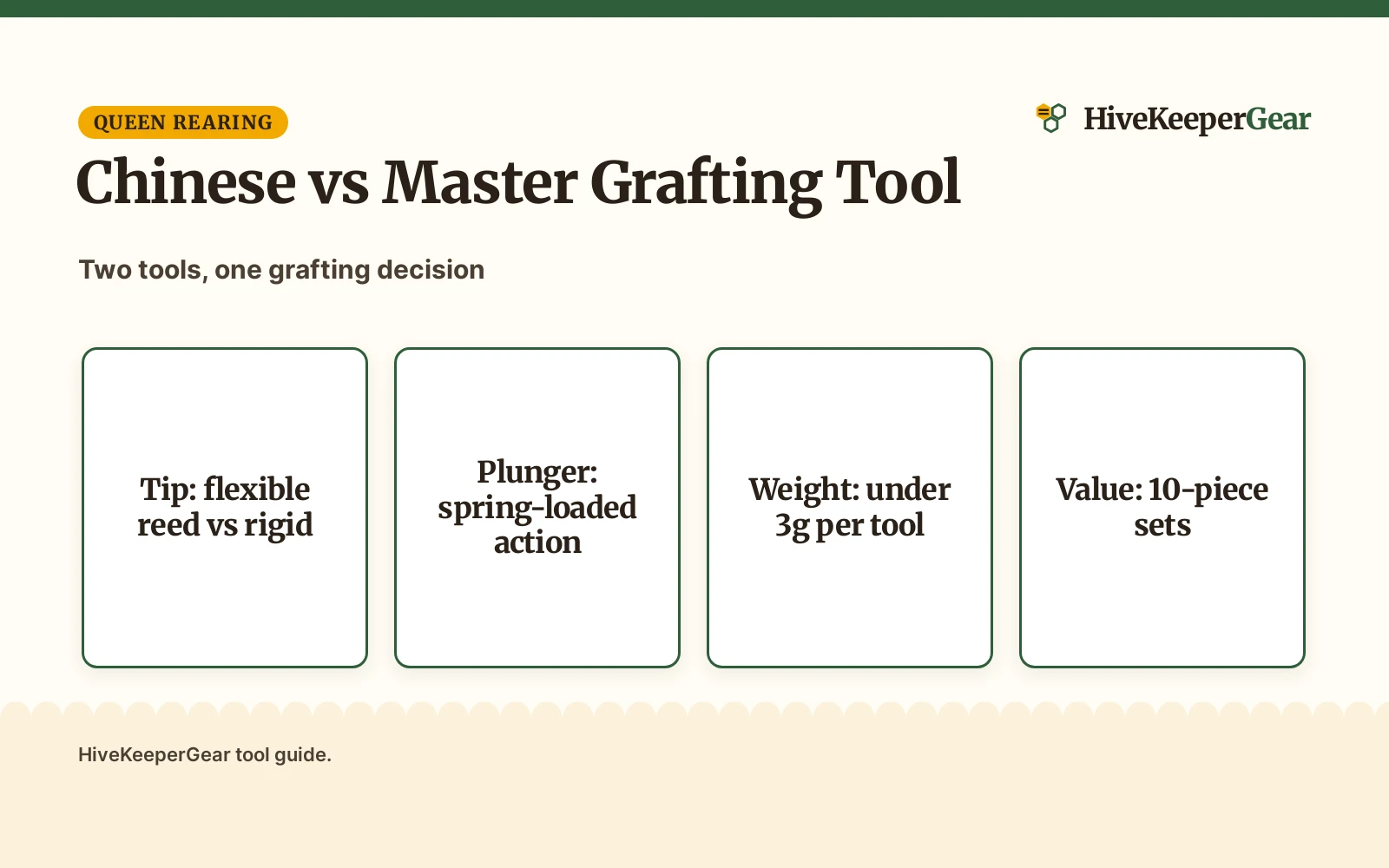
Chinese grafting tool vs master grafting tool is a choice between the standard disposable-style tool and the sturdier single tool: the Chinese grafting tool is a pencil-like plastic tool with a flexible reed tip and a spring-loaded plunger, sold in 10-piece sets, while the master grafting tool is a more rigid single instrument for beekeepers who graft often. Both move day-old larvae into queen cell cups. This guide compares the two on tip design, plunger action, weight and value, using figures from current Chinese grafting tool listings, so you can pick the tool that fits how you rear queens.
Other hives and gear to compare
 Beekeeping ToolsCheck price on Amazon
 Queen bee Grafting Tool 10pcs Beekeeping MovingTools ShiftCheck price on Amazon
 dophee 10Pcs Beekeeping Moving Larva Rearing Grafting ToolsCheck price on Amazon
 Beekeeping Moving Grafting Needle Tool 15PCS Queen RearingCheck price on Amazon
 Beekeeping Shift pin Worm Moving Grafting Tools 2pcsCheck price on Amazon
 V-Cut Top Grafting ToolCheck price on Amazon
HiveKeeperGear earns a commission when you buy through links on this page, at no extra cost to you. As an Amazon Associate I earn from qualifying purchases. Affiliate disclosure.
Chinese grafting tool vs master grafting tool: the short answer
Choose the Chinese grafting tool if you want the standard, widely used option with cheap replacements: the Caredy, Zopsc and KUIDAMOS listings all sell 10-piece sets. Choose a master grafting tool if you graft often and want one rigid tool instead of a consumable set. The table sums up the tradeoff.
| Tool | Tip | Plunger | Weight | Sold as |
|---|---|---|---|---|
| Chinese grafting tool | Thin, bendable reed | Spring-loaded plunger | Under 3g per tool (Zopsc) | 10-piece sets |
| Master grafting tool | Rigid, fixed tip | Manual placement, no plunger | Not stated in these listings | Single tool |
How the Chinese grafting tool works
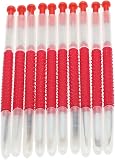
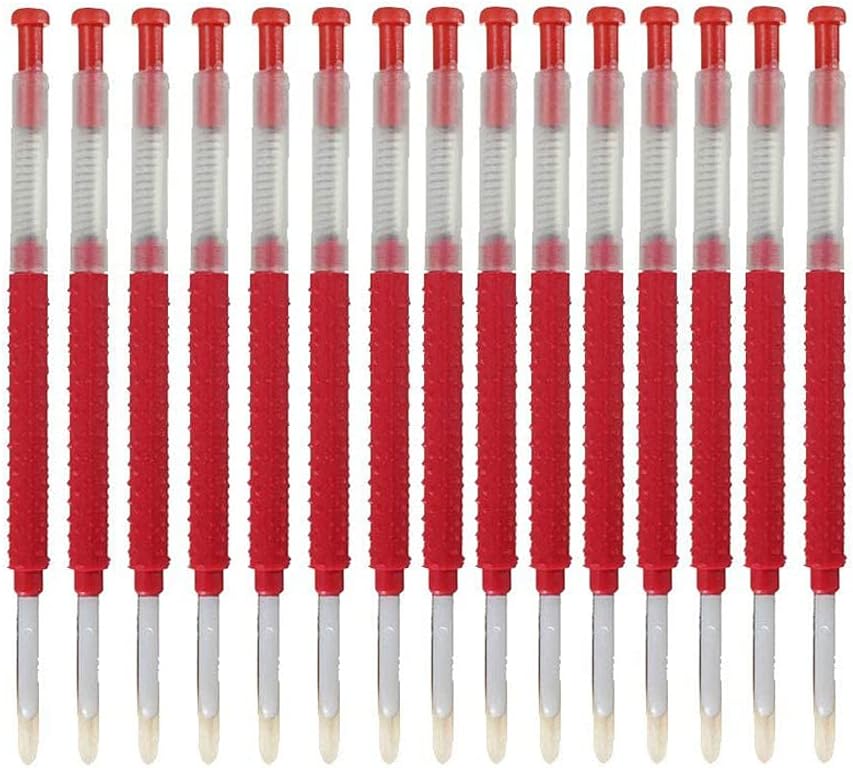
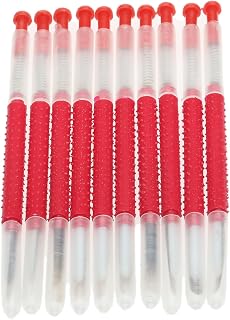
The Chinese grafting tool is a simple pencil-like object made of plastic with a thin reed at the end. The reed is what picks up the delicate larva: it is bendable and quite flexible, and the Zopsc listing says its thin reed slides under first-larvae 12 to 18 hours old without damage. A spring-loaded plunger then gently pushes the larva off the reed and into the queen cell cup; the Zopsc version uses an auto-return plunger for consistent thumb pressure. The listings describe weights of 0.634 ounces (Caredy, KUIDAMOS) and 0.704 ounces (Zopsc) per set, with the Zopsc describing each tool as under 3g in an 11.5cm design, and the KUIDAMOS package measuring 5.08 by 1.81 by 0.55 inches.
How the master grafting tool differs
The master grafting tool takes the opposite approach: one rigid instrument instead of a set of flexible ones. Where the Chinese tool relies on a bendable reed and a spring plunger, the master tool uses a fixed tip that the beekeeper controls directly, with no plunger to wear out. That rigidity suits beekeepers who graft regularly and want the same feel every time, while the Chinese tool suits beekeepers who want a familiar, widely used design with replacements on hand.
Which should you choose?
Match the tool to your volume. If you graft in batches, the 10-piece sets make sense: the Zopsc listing talks about 30 to 50-plus larva transfers per session, and a spare tool is always within reach. The Caredy, Zopsc and KUIDAMOS sets are all 10 pieces, so one purchase covers a season of learning. If you graft a few queens at a time and prefer one sturdy tool over a consumable set, the master grafting tool is the simpler long-term choice. For the rest of the queen-rearing kit, see our best queen grafting tool for queen rearing.
Buying by the numbers: weight, sets and plungers
Start with weight, because grafting sessions are long. The listings state set weights of 0.634 ounces (Caredy, KUIDAMOS), 0.704 ounces (Zopsc) and 0.882 ounces (Kafuty-1). The Zopsc listing also describes each tool as under 3g in an 11.5cm design. The Kafuty-1 set is the heaviest stated at 0.882 ounces, roughly 40 percent more than the 0.634-ounce pair. The Zopsc listing frames its tools around 30 to 50-plus larva transfers per session, and over that many repetitions, a lighter tool tires the hand less. When two sets look alike, the stated weight is a fair tiebreaker.
Next, the plunger, which is the main mechanical difference between the listings. All four describe a spring-loaded plunger that gently pushes the larva off the reed and into the cup. The Zopsc listing goes further, describing an auto-return plunger mechanism with a calibrated spring for consistent thumb pressure. The practical distinction is in the reset: a standard spring plunger relies on the thumb to return it, while an auto-return mechanism comes back on its own between transfers. If you graft in volume, that difference matters more than any other line in the listings.
Then the set economics. Every listing here, Caredy, Zopsc, KUIDAMOS and Kafuty-1, sells a 10-piece set. The Zopsc listing frames the 10-piece set as providing ample replacements for continuous grafting and affordable durability for both beginners and professionals managing large-scale royal jelly production. Ten tools means a bent reed or a lost tool never ends a session, and with 30 to 50-plus transfers per session, one purchase covers a season of learning. Treat these as consumables with spares built in, which is exactly how the listings sell them.
Finally, check the small figures before ordering. The KUIDAMOS package measures 5.08 by 1.81 by 0.55 inches, a useful size reference for storage. The Zopsc listing states compatibility with most cell cup systems, which matters if you already own cups. One figure deserves skepticism: the Kafuty-1 spec table lists product dimensions of 0.39 by 0.39 by 0.39 inches, which does not describe a pencil-like tool. Treat that figure as an open question, not a specification, and judge the Kafuty-1 on its stated 0.882-ounce weight and spring-loaded plunger instead.
What this guide does not cover
This guide compares tool types. It does not teach grafting technique, larva selection or cell-builder setup: take those from an experienced queen rearer or a current beekeeping manual, and practice on drone larvae first. Every tool guide on the site is collected in our beekeeping tools section.
FAQs for beekeepers
How many grafting tools come in a set?
The Caredy, Zopsc and KUIDAMOS listings are all 10-piece sets.
How much does a Chinese grafting tool weigh?
The Caredy and KUIDAMOS listings state 0.634 ounces and the Zopsc 0.704 ounces, with the Zopsc describing each tool as under 3g.
What age larvae do you graft?
The Zopsc listing says its reed slides under first-larvae 12 to 18 hours old without damage.
What does the plunger do?
The Caredy, KUIDAMOS and Kafuty-1 listings describe a spring-loaded plunger that gently pushes the larva off the reed and into the cup.
More hive guides
See every beekeeping tools guide and our how to use a queen rearing kit guide.
More picks: chinese vs stainless grafting tool, queen grafting tools and incubator vs nursery hive.