Latex vs Oil Based Beehive Paint: Which One Should You Buy?
A beekeeper’s guide to latex vs oil based beehive paint, with stated coverage, dry times and finishes from three oil-based wood finish listings.

On this page
Top picks at a glance
As an Amazon Associate I earn from qualifying purchases.
- 1
 Krylon Fusion All-In-One Matte Spray Paint9.6/10View on Amazon
- 2
 Rust-Oleum Low Odor Spray Paint9.6/10View on Amazon
- 3
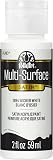 FolkArt Multi-Surface Satin Acrylic Paint9.5/10View on Amazon
- 4
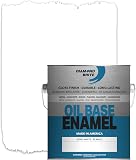 Diamond Brite Oil-Based Enamel PaintView on Amazon
- 5
 General Finishes Water Based Milk PaintView on Amazon
New hive boxes are stacked in the garage, the bees arrive in a few weeks, and the bare wood needs a finish before it ever sees rain. The question is latex vs oil based beehive paint: which one should you buy? All three products compared in this guide are oil-based, so this guide lays out what the oil-based listings actually state about coverage, dry time and finish, and what to check on a latex label if you go that way instead.
Other hives and gear to compare
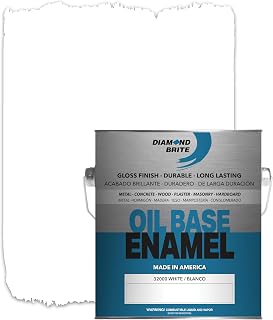 Diamond Brite Oil-Based Enamel PaintCheck price on Amazon
 General Finishes Water Based Milk PaintCheck price on Amazon
HiveKeeperGear earns a commission when you buy through links on this site, at no extra cost to you. As an Amazon Associate I earn from qualifying purchases. Affiliate disclosure.
Latex vs oil based beehive paint: the short answer
There is no single right answer, because the listings here only cover the oil side of the question. The three oil-based products below state very different things: a pure tung oil in a 32 oz bottle, a pre-mixed tung and orange peel oil in a 1 gallon can, and an oil-based enamel in a 1 gallon can. Compare their stated coverage, dry time and finish against each other, and if you are weighing a latex paint, compare its own listing’s stated coverage and dry time the same way. Buy the finish whose stated numbers fit your schedule, not the one with the loudest marketing.
What the oil-based listings actually state
Start with coverage. The Real Milk Paint Half & Half lists 400 sq. feet of coverage for its 1 gallon can, while the Diamond Brite oil-based enamel lists about 300 square feet per gallon with a two lite coat application. The pure tung oil’s spec table lists a coverage figure of “25” with no units stated, so it cannot be compared on coverage. On dry time, the pure tung oil lists 4 hours, the Diamond Brite lists 10 to 12 hours, and the Half & Half lists 3 to 5 coats to seal, 7 to 10 days to develop water resistance and 30 days to fully harden. Those are different kinds of numbers, so read them as the listings write them: a dry-to-touch time is not a hardening time.
Gear: three oil-based finishes, ranked
These three are ranked by how completely their listings state what a beekeeper needs to know.
Real Milk Paint Half & Half, 1 gallon: the most complete listing
The Half & Half is a pre-mixed blend of pure tung oil and orange peel oil in a 1 gallon can, listed as food grade with a matte finish. The maker states 400 sq. feet of coverage, a thinner formula that penetrates deeper, and a sealing routine of 3 to 5 coats with 7 to 10 days to develop water resistance and 30 days to fully harden. It lists indoor and outdoor use. This is the pick for a keeper painting several boxes who wants the fullest set of stated numbers before starting.
Real Milk Paint Pure Tung Oil, 32 oz: the small-batch option
The pure tung oil comes in a 32 oz bottle, listed as 100 percent pure, food grade, waterproof, with zero VOCs, heavy metals, additives or distillates, and a 4 hour dry time. Note a mismatch inside the listing: the bullets call it a waterproof finish while the spec table marks Is Waterproof as False, though the same table’s water resistance level reads Waterproof. The small bottle suits touch-ups or small jobs rather than painting many boxes.
Diamond Brite Oil-Based Enamel, white, 1 gallon: the enamel
The Diamond Brite is a white oil-based enamel in a 1 gallon can with a high-gloss finish, listed for interior and exterior use on wood, concrete, metal and more. It states about 300 square feet per gallon with two lite coats and a 10 to 12 hour dry time, and it resists rust, scuffs, fading, cracking and peeling. It states no food-grade claim and no VOC claim. This is the pick for a keeper who wants a hard, glossy enamel shell rather than a penetrating oil.
Drying and curing before bees move in
Plan the painting around the numbers the listings give. The pure tung oil lists a 4 hour dry time and the Diamond Brite lists 10 to 12 hours, so both fit a weekend. The Half & Half needs more patience: 3 to 5 coats, 7 to 10 days to develop water resistance and 30 days to fully harden. If your bees arrive in two weeks, the long hardening time of the Half & Half is a problem the other two do not have. Paint early, let the boxes air out, and do not rush a finish that is still hardening when the colony moves in.
Food-grade and low-VOC claims
Both Real Milk Paint listings state food grade, and the pure tung oil adds zero VOCs, heavy metals, additives or distillates, plus a stated ASTM quality check. The Diamond Brite enamel states none of these. If low-odor and food-contact claims matter to you, they are stated on the tung oil listings and absent on the enamel. Our wax dipped vs painted beehive guide covers another way keepers finish boxes without paint at all.
FAQs for beekeepers
Can I use tung oil on a beehive?
The Real Milk Paint listings state outdoor use on wood, a waterproof finish and food-grade status. The pure tung oil lists a 4 hour dry time; the Half & Half lists 7 to 10 days to develop water resistance and 30 days to fully harden.
How long does beehive paint take to dry?
By the listings: 4 hours for the pure tung oil, 10 to 12 hours for the Diamond Brite enamel, and 7 to 10 days to develop water resistance with 30 days to fully harden for the Half & Half. Dry time and hardening time are different numbers.
How much paint does a beehive need?
The Half & Half lists 400 sq. feet of coverage per gallon and the Diamond Brite lists about 300 square feet per gallon with two lite coats. The pure tung oil’s coverage figure is listed as “25” with no units, so compare the two gallons on their stated numbers.
Is oil-based paint safe for bees?
The tung oil listings state food grade, and the pure tung oil states zero VOCs. The Diamond Brite enamel states no food-grade or VOC claim. Read each listing’s own claims and give any finish time to air out before bees move in.
What finish do these paints leave?
The two Real Milk Paint oils list a matte finish in a natural honey color; the Diamond Brite lists a high-gloss white finish. Pick the look you want on the boxes, since all three are listed for outdoor wood.
More hive guides
Browse every guide by category: beehives, protective gear and honey harvesting.
More picks: wax coated vs unpainted hive, pine vs fir beehive and wax dipped vs painted beehive.