Long Langstroth Hive vs Top Bar: Which One Should You Buy?
A comparison of long Langstroth and top bar horizontal hives, covering frame compatibility, natural comb, honey harvesting methods, and backyard inspection ergonomics.

On this page
Top picks at a glance
As an Amazon Associate I earn from qualifying purchases.
- 1
 BeeCastle 10 Frame Langstroth Bee Hive Coated with Beeswax9.7/10View on Amazon
- 2
 2Pcs Bee Hive Winter Quilt Box 10 Frame Dipped in BeeswaxView on Amazon
- 3
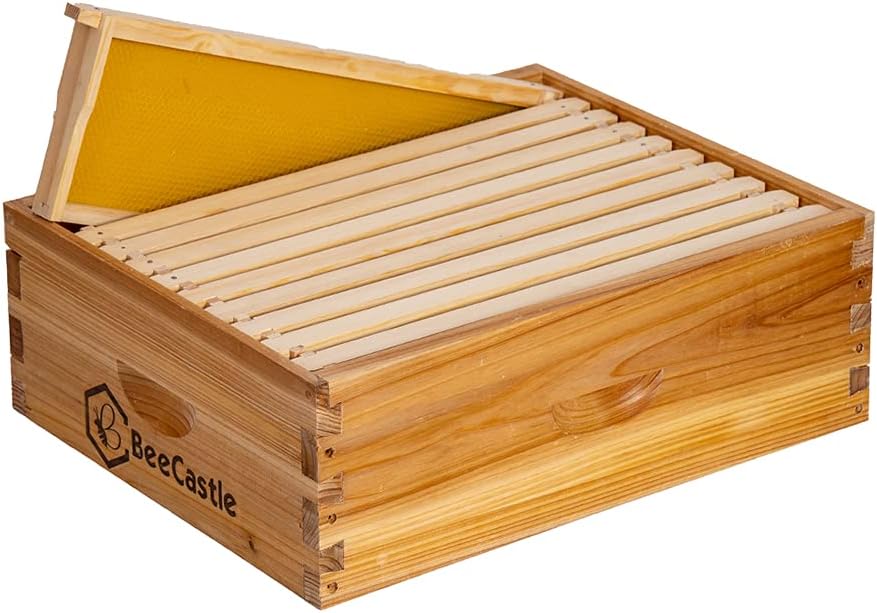 BeeCastle 10 Frame Medium Super Bee Hive BoxView on Amazon
- 4
 BeeCastle 8 Frame Medium Super Bee Hive BoxView on Amazon
- 5
 BeeCastle 8 Frame Langstroth Bee Hive Coated with BeeswaxView on Amazon
- 6
 BeeCastle 10 Frame Langstroth Bee Hive Coated with 100%View on Amazon
- 7
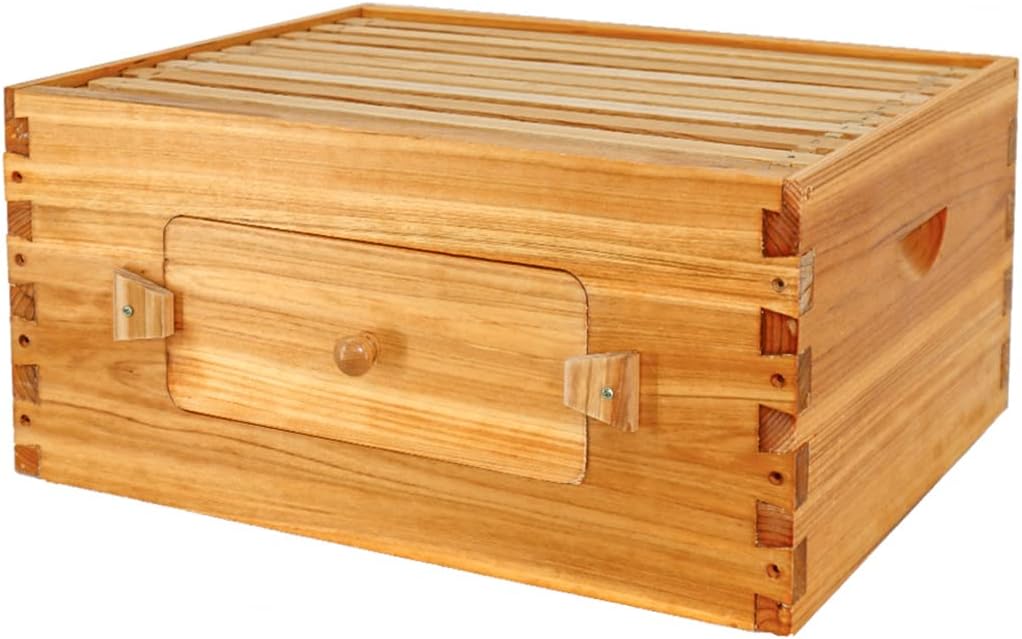 BeeCastle 10 Frame Deep Bee Hive BoxView on Amazon
During a full summer inspection when standard supers feel heavy, choosing a long langstroth hive vs top bar horizontal system offers a welcome way to work bees at waist height without lifting stacked boxes. If you already own standard Langstroth extraction gear or want interchangeable wooden frames with wax foundation, buy a long Langstroth hive. If you prefer natural comb building without foundation, simple top bars made of plain wood, and crush-and-strain honey harvesting, choose a top bar hive instead. Both horizontal hive styles protect your back while giving bees a calm, horizontal cavity to expand across the season.
Other hives and gear to compare
 2Pcs Bee Hive Winter Quilt Box 10 Frame Dipped in BeeswaxCheck price on Amazon
 BeeCastle 10 Frame Medium Super Bee Hive BoxCheck price on Amazon
 BeeCastle 8 Frame Medium Super Bee Hive BoxCheck price on Amazon
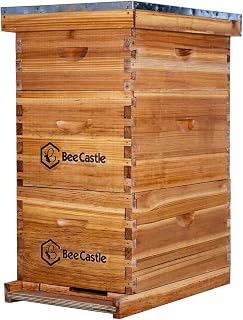 BeeCastle 8 Frame Langstroth Bee Hive Coated with BeeswaxCheck price on Amazon
 BeeCastle 10 Frame Langstroth Bee Hive Coated with 100%Check price on Amazon
 BeeCastle 10 Frame Deep Bee Hive BoxCheck price on Amazon
HiveKeeperGear earns a commission when you buy through links on this site, at no extra cost to you. As an Amazon Associate I earn from qualifying purchases. Affiliate disclosure.
Before you choose: horizontal hive basics
Horizontal beekeeping differs fundamentally from conventional vertical box management. Rather than stacking heavy brood chambers and honey supers vertically, a horizontal hive houses the entire colony within an elongated trough. Beekeepers inspect combs side by side at waist height, eliminating the physical strain of lifting heavy wooden boxes.
Inspecting a horizontal hive is also noticeably calmer for the colony than working vertical boxes. Because horizontal hives expose only a narrow opening at any moment, using touching top bars or sectional cloth covers over frames, the rest of the brood nest remains dark, warm, and calm. Before installing either horizontal design in your backyard, review local municipal guidelines, homeowner association rules, and state apiary registration requirements to ensure your hive placement complies with neighborhood regulations.
The long langstroth hive vs top bar comparison
Both horizontal styles share a long body and rely on movable follower boards to contract or expand the brood cavity throughout the season. However, they manage comb structure, hive parts, and honey collection in distinctly different ways.
| Feature | Long Langstroth Hive | Top Bar Hive | Our guide |
|---|---|---|---|
| Frame style | Standard Langstroth frames with top, bottom, and side bars | Single wooden top bars without side or bottom bars | Hive frames |
| Comb support | Enclosed by wooden borders, wire, or plastic foundation | Free-hanging natural comb attached only to the top bar | Wax foundation |
| Honey harvesting | Spun in centrifugal honey extractors without destroying comb | Crushed and strained, comb honey, or specialized extractor baskets | Honey extractors |
| Apiary compatibility | Interchanges with standard Langstroth covers, feeders, and frames | Proprietary dimensions requiring custom bars, feeders, and covers | Langstroth hives |
| Backyard ergonomics | Waist-height inspections with no box lifting required | Waist-height inspections with no box lifting required | Top bar hives |
1. Frame design and comb support
The most significant difference between these horizontal hives lies in how the bees build and support their comb. Built as a long Langstroth hive with frames, the system encloses each comb inside a rigid wooden rectangle with a top bar, bottom bar, and side bars. This enclosed border allows beekeepers to insert wired wax foundation or embossed plastic sheets, creating a Langstroth hive plastic foundation setup that bees draw out evenly. Because the comb is supported on all edges, framed comb is far more resilient than free-hanging wax, allowing beekeepers to handle and manipulate frames with less risk of comb breakage during inspections.
In contrast, a top bar hive uses flat wooden slats placed across the rim of the trough without side or bottom framing. Bees draw natural comb directly downward from the wooden guide on each bar, shaping comb in a natural catenary curve. While natural comb allows bees to build cell sizes suited to their needs, free-hanging comb remains fragile. Tilting a fresh, honey-laden top bar horizontally can cause the heavy wax comb to shear off the bar and fall. Top bar beekeepers must handle every comb with deliberate, gentle movements, always keeping the comb hanging vertically.
2. Equipment interchangeability and apiary compatibility
Equipment compatibility is another critical consideration for backyard beekeepers. Long Langstroth hives accept standard Langstroth frames, making them fully compatible with conventional beekeeping equipment across North America. If a nearby beekeeper offers a nucleus colony, those brood frames slide directly into your long Langstroth trough. Similarly, you can share brood or honey frames between a vertical Langstroth hive and a horizontal Langstroth hive to boost weaker colonies.
Top bar hives operate on non-standard, custom dimensions. A nucleus colony built on standard rectangular frames cannot fit into a sloped top bar body without cutting the wax comb out and tying it to top bars using cotton kitchen string. As a result, top bar keepers typically start colonies using packaged bees or captured swarms. If you want a Langstroth hive alternative that still allows you to share equipment and buy nucleus colonies locally, the long Langstroth system offers clear practical advantages.
3. Honey harvesting and extraction methods
The method you use to harvest surplus honey depends entirely on how the comb is structured. In a long Langstroth hive, frames with plastic or wired wax foundation possess the structural strength required for centrifugal extraction. Beekeepers uncap the wax cappings and place the frames inside a centrifugal honey extractor, which spins the honey out while leaving the drawn wax comb undamaged. These intact combs can be returned directly to the colony, saving the bees the immense energy required to secrete fresh beeswax and enabling faster honey storage during subsequent nectar flows.
Centrifugal extractors are built to spin standard rectangular frames. While specialized wire mesh baskets exist that allow gentle spinning of top bar combs, free-hanging natural comb readily fractures under high rotational speeds. As a result, most top bar beekeepers avoid spinning altogether and harvest honey using the crush-and-strain method. The beekeeper slices the ripe comb off the wooden bar, crushes the wax inside a food-grade bucket, and strains the liquid honey through a fine mesh filter. While crush-and-strain yields pristine raw honey and clean beeswax for candles or crafts, the colony must rebuild comb from scratch during subsequent nectar flows.
4. Colony inspections and hive management
Day-to-day colony inspections highlight the distinct handling styles of each hive. In a long Langstroth hive, frames hang vertically from rebates along the upper walls. Beekeepers use a standard hive tool to loosen frames that bees have secured with propolis, sliding them sideways along the trough to inspect the brood pattern. Because frames have wooden side bars, bees rarely build comb bridges directly to the hive walls, keeping the frames easy to separate.
In a top bar hive, the wooden bars sit flush against each other edge to edge, creating an unbroken wooden ceiling across the trough. To inspect, the beekeeper removes a bar near the follower board and inspects the cavity comb by comb, replacing each bar before sliding the next. Most top bar troughs feature sloped side walls following the Kenyan design. Bees naturally avoid attaching comb to these sloped wooden walls, though occasional attachment bridges must be detached with a hive tool before lifting.
5. Hive construction, observation windows, and setup
Both horizontal styles require sound woodworking to withstand sun, wind, and rain. Solid pine, fir, or cedar boards provide insulation and durability. Protective finishes, including exterior paint, non-toxic sealants, or beeswax coatings, help shield the exterior wood against weathering while keeping the interior safe for bees.
Many horizontal models include a side viewing window, such as a langstroth hive with window or an acrylic pane along a top bar flank. A wooden door covers the observation window to keep the interior dark. Opening the outer shutter allows beekeepers to check colony expansion, monitor comb building, and verify bee cluster position without lifting a cover or releasing hive warmth. Both horizontal styles also require a sturdy, level wooden stand positioned at waist height, providing stable footing and elevating the entrance above damp ground as seen on a quality beginner bee hive.
Seasonal management in horizontal hives
Managing bees in a horizontal trough requires seasonal adjustments that differ from vertical stacking. During early spring build-up, beekeepers slide the follower board outward, adding empty frames or fresh top bars directly beside the expanding brood nest to give the queen room to lay eggs and prevent swarming. Regular spring inspections using a gentle bee smoker help keep the colony calm while you assess colony stores and comb progress.
During the primary summer nectar flow, ensure continuous space by adding bars or frames toward the back of the trough. In autumn, inspect food reserves, remove only true surplus honey, and slide the follower board inward behind the colony’s winter honey stores to reduce empty trough volume. An insulated follower board helps the winter cluster stay warm without wasting energy heating unoccupied space.
Key considerations before making your choice
Choosing between these horizontal hives comes down to your personal beekeeping priorities:
- Choose a long Langstroth hive if: you want full compatibility with local nucleus colonies, prefer durable frames with foundation, want to extract honey with a centrifugal spinner, and value the ability to reuse drawn comb season after season.
- Choose a top bar hive if: you want natural comb building without foundation sheets, prefer simple wooden components, enjoy harvesting fresh beeswax alongside strained honey, and prioritize a simple, natural beekeeping approach.
What is not covered in this guide
Bees themselves, whether ordered as packaged bees, purchased as nucleus colonies, or caught as wild swarms, must be sourced separately through local breeders. We do not provide bee health, disease, pest, or medical advice. For guidance on colony health, consult your local beekeeping association, county extension office, or state apiary inspector.
FAQs for beekeepers
Can you use a centrifugal extractor with a top bar hive?
Standard centrifugal honey extractors require rigid, rectangular frames to support comb during spinning. While specialized mesh baskets can hold individual top bar combs at low speeds, unsupported natural comb often fractures under centrifugal force, making crush-and-strain the most dependable harvesting method.
Can you install a nucleus colony into a top bar hive?
Standard nucleus colonies arrive on rectangular Langstroth frames that cannot fit into a top bar trough. Installing a nuc requires cutting the comb from the frames and tying it onto wooden top bars with string, which is why top bar beekeepers usually start with packaged bees or swarms.
Do horizontal hives produce as much honey as vertical hives?
Standard vertical hives expand upward by stacking multiple supers during heavy nectar flows. While horizontal hives are primarily bounded by the length of their trough, some long Langstroth designs allow vertical supers over the honey section. Overall, long Langstroth hives typically yield more harvestable honey than top bar hives because drawn comb is preserved and reused.
Are horizontal hives easier on your back than standard hives?
Yes. Both long Langstroth and top bar hives position the colony at waist height, allowing beekeepers to examine combs individually without lifting heavy brood boxes or full honey supers.
Do bees survive winter well in horizontal hives?
Bees overwinter successfully in horizontal hives when provided with adequate stores and ventilation. Beekeepers position insulated follower boards behind the colony’s honey stores to reduce drafty volume, while upper ventilation prevents condensation above the winter cluster.
More hive guides
Browse our guides across categories: explore all beehives, learn more about Langstroth hives, inspect options for protective gear, discover essential hive tools, and review equipment for honey harvesting.