Medium Frame Size: Langstroth Dimensions and Hive Guide
Standard medium frame size specifications for Langstroth beehives, including frame depth, box compatibility, and super lifting weight.

On this page
Top picks at a glance
As an Amazon Associate I earn from qualifying purchases.
- 1
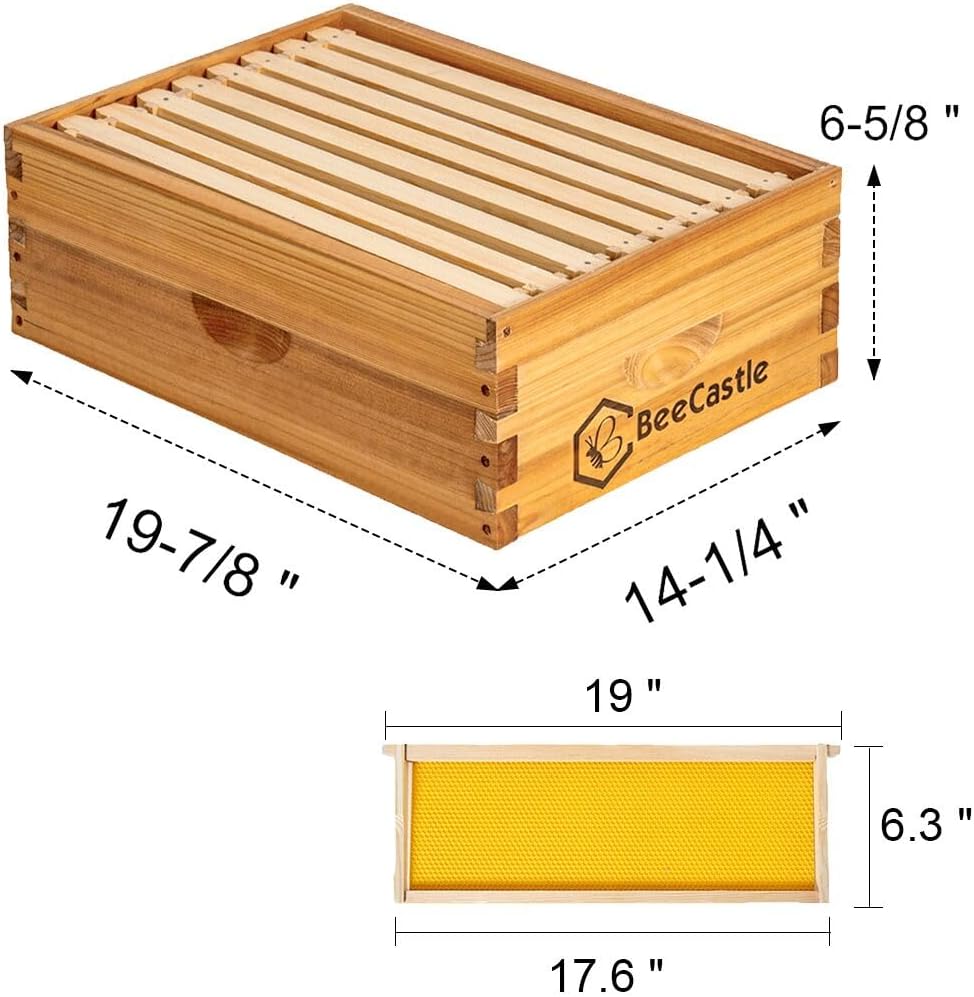 BeeCastle 8 Frame Assembled Medium Honey Super with Frames9.7/10View on Amazon
- 2
 BeeCastle 10 Frame Assembled Medium Honey Super Bee Hive Box9.6/10View on Amazon
- 3
 BeeCastle 10 Frame Medium Honey Super Box with 10 Frames and9.6/10View on Amazon
- 4
 NUOMIC Winter Wrap for 8/10 Frame BeehivesView on Amazon
- 5
 NUOMIC 2 Pack Winter Wrap for 8/10 Frame Bee HivesView on Amazon
- 6
 NUOMIC 3 Pack Insulation Wrap for 8/10 Frame Bee HivesView on Amazon
- 7
 BeeCastle 10 Frame Langstroth Bee Hive Coated with BeeswaxView on Amazon
- 8
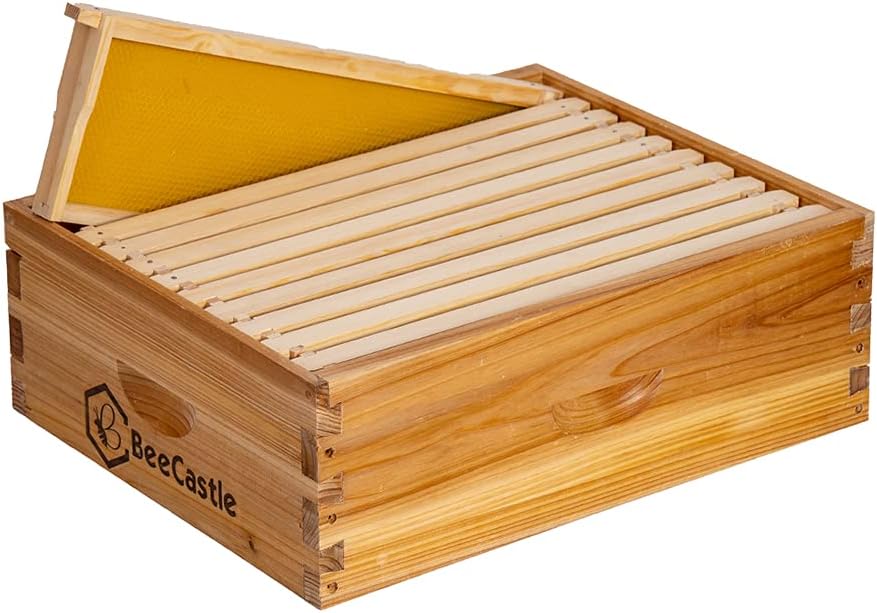 BeeCastle 10 Frame Medium Super Bee Hive BoxView on Amazon
- 9
 BeeCastle 8 Frame Medium Super Bee Hive BoxView on Amazon
A standard medium frame size features a depth of 6-1/4 inches, as listed by RPJC, making it the most versatile frame choice for modern Langstroth beehives. Beekeepers use medium frames primarily in honey supers, but some apiarists also configure their hive systems around medium boxes for both brood rearing and honey storage. Understanding the dimensions, lifting weight, and box compatibility of medium frames helps you select the right equipment configuration for your apiary. This guide explains how medium frames function, how they compare to deep alternatives, and how to integrate them into your hive setup.
Other hives and gear to compare
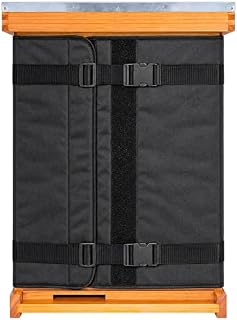 NUOMIC Winter Wrap for 8/10 Frame BeehivesCheck price on Amazon
 NUOMIC 2 Pack Winter Wrap for 8/10 Frame Bee HivesCheck price on Amazon
 NUOMIC 3 Pack Insulation Wrap for 8/10 Frame Bee HivesCheck price on Amazon
 BeeCastle 10 Frame Langstroth Bee Hive Coated with BeeswaxCheck price on Amazon
 BeeCastle 10 Frame Medium Super Bee Hive BoxCheck price on Amazon
 BeeCastle 8 Frame Medium Super Bee Hive BoxCheck price on Amazon
HiveKeeperGear earns a commission when you buy through links on this site, at no extra cost to you. As an Amazon Associate I earn from qualifying purchases. Affiliate disclosure.
Before you buy: check box compatibility
Before purchasing new frames, confirm that your hive boxes match the intended frame depth. Langstroth hive bodies come in standardized depths that correspond to specific frame heights, and placing a medium frame into an incorrect box creates immediate comb management problems. Hanging a medium frame inside a deep hive body leaves excessive open space beneath the bottom bar, prompting bees to build irregular burr comb downward. Conversely, a deep frame will not fit inside a medium super at all. Checking your existing box dimensions ensures your frames hang correctly on the interior frame rests.
Standardization within your apiary also streamlines seasonal management. While some beekeepers mix deep brood chambers with medium honey supers, maintaining uniform box depths allows equipment to be shared across the apiary. Apiaries that standardize on medium boxes can interchange boxes and drawn comb across their colonies as seasonal needs change.
Understanding medium frame size and dimensions
A medium frame size provides a practical balance between honey capacity and manageable lifting weight. In listings such as RPJC, the side bars establish a finished depth of 6-1/4 inches, while the top bar rests on the interior rebates of standard hive bodies. The bottom bar secures the foundation and provides clearance above the frames below, maintaining proper bee space throughout the hive stack.
The comparison table below outlines how medium frames compare to other common Langstroth frame depths and box setups across backyard apiaries.
| Step | Frame setup | Stated depth | Primary apiary function | Related guide |
|---|---|---|---|---|
| 1 | Medium frame listing (RPJC) | 6-1/4 inches (RPJC) | Reference frame depth | Hive frames |
| 2 | Medium frame with wax foundation | Not stated | Drawn comb in honey supers | Wax foundation frames |
| 3 | Medium frame with plastic foundation | Not stated | Durable comb for honey extraction | Plastic foundation frames |
| 4 | Deep brood frame | Not stated | Large brood nest chambers | Deep hive body dimensions |
| 5 | 10-frame medium super setup | Not stated | Standard width honey production | 10-frame beehive dimensions |
| 6 | 8-frame medium super setup | Not stated | Lighter weight honey production | 8-frame hive dimensions |
1. Frame depth and height
The defining dimension of a medium frame is its vertical depth. The maker RPJC lists a finished frame depth of 6-1/4 inches, which aligns with standard medium super boxes. This depth is intentional: it preserves natural bee space between stacked boxes, preventing bees from cementing frame bars together with propolis or filling gaps with bridge comb.
When inspecting hives, the 6-1/4 inch depth makes medium frames comfortable to manipulate with a hive tool. Standard Hoffman-style end bars typically include shoulders to help maintain spacing between adjacent combs, supporting uniform comb thickness across the super. Because the comb area is moderate in height, foundation installed in medium frames is less prone to sagging or warping under the heat of a crowded summer colony.
2. Box and super compatibility
Medium frames hang inside medium supers, which are sometimes called Illinois supers or Western supers. These boxes sit atop the hive stack to collect surplus honey during nectar flows. A medium super holds either eight or ten frames depending on the box width selected for the apiary. Choosing an 8-frame beehive configuration results in a narrower super, while a 10-frame beehive kit accommodates ten frames per box.
Proper box alignment is essential when adding medium supers above the brood chamber. Frames must rest firmly on the box rebates without shifting during transport or hive manipulations. If box walls are out of square, frames can bind against the sidewalls or drop off the frame rests.
3. Foundation and comb building
Beekeepers install foundation inside medium frames to guide bees into drawing straight, workable combs. Options include beeswax foundation and plastic foundation coated in natural beeswax. Choosing plastic foundation for bee frames provides rigid backing that withstands centrifugal forces during honey extraction without blowing out the comb. Alternatively, pure beeswax foundation with crimped wire provides natural comb texture favored by many traditional apiarists.
Providing foundation during a strong nectar flow encourages workers to draw uniform worker-sized cells from edge to edge. In a medium frame, bees readily draw comb down to the bottom bar, minimizing irregular drone comb corners that frequently appear in taller frames. Straight comb development makes colony inspections faster and protects the queen from being rolled during frame removal.
4. Honey supers and lifting weight
The most widespread reason beekeepers adopt medium frames is lifting ergonomics. Honey is dense, and a fully capped box of honey represents considerable weight. A deep hive box filled with honey is prohibitively heavy for many backyard hobbyists, creating substantial strain on the lower back during summer harvests. Medium supers significantly reduce the physical burden of hive management.
Because a medium box contains less total volume than a deep body, beekeepers can lift individual supers off the stack with far greater control and stability. During honey harvest, frames are removed from medium supers, uncapped with uncapping tools, and spun in honey extractors. Most commercial and hobby extractors accommodate standard medium frames in radial or tangential baskets, making honey processing straightforward.
5. Brood nest and all-medium configurations
While medium frames are traditional for honey storage, some beekeepers manage their colonies entirely in medium boxes. In an all-medium setup, multiple medium boxes replace traditional deep brood chambers. This configuration allows equipment standardization, though beekeepers must manage the horizontal space between boxes where top and bottom bars meet.
An all-medium apiary simplifies equipment inventory. Instead of purchasing separate deep frames for brood and medium frames for surplus honey, you purchase uniform frame equipment in volume. During winter, the colony clusters across the stacked medium frames, moving upward as stores are consumed.
A seasonal management overview
Spring: assess overwintered colonies, clean bottom boards, and confirm that the queen has adequate space to lay eggs across the medium frames. Add a medium super of drawn comb or fresh foundation above the brood nest when bees cover the outer frames of the top box. Summer: monitor nectar storage and add additional medium supers as the lower boxes fill. Use a queen excluder if you prefer keeping brood out of upper honey supers. Late summer: remove capped medium frames for harvesting, uncap the comb, and extract the honey before returning wet frames to the colony for cleanup. Fall: verify that colonies have accumulated sufficient honey stores across their medium boxes for winter survival. Reduce the hive entrance to prevent robbing and exclude rodents. Winter: keep hive covers fastened against wind and moisture, avoid opening boxes during freezing weather, and assemble new medium frames and foundation for the upcoming spring season.
Advantages of medium frames
- Manageable lifting weight compared to heavy deep boxes during inspections and honey extraction.
- Versatility to serve as both honey storage supers and brood chamber components.
- Compatibility with standard radial and tangential honey extraction baskets.
- Reduced comb sagging and structural failure in hot summer conditions.
- Interchangeable equipment across your entire apiary when standardizing on medium boxes.
- Drawn combs fit standard uncapping tanks and processing stations without modification.
Maintaining uniform frame depth across your apiary saves time and reduces the clutter of storing multiple box sizes in your workshop.
What medium frames cannot do
Medium frames are not interchangeable with deep brood equipment without creating significant management issues. You cannot hang a medium frame in a deep box without bees building wild comb below the bottom bar, nor can you place a deep frame into a medium super. Furthermore, nucleus colonies purchased from commercial suppliers typically arrive on deep frames rather than medium frames. If you maintain an all-medium apiary and buy a deep nucleus colony, you will need an adaptation strategy, such as temporarily placing a deep box on your hive until the colony expands into your medium equipment.
We focus strictly on hive equipment and dimensions. For questions regarding bee health, parasite monitoring, or colony treatments, consult your state apiary inspector or local agricultural extension office.
FAQs for beekeepers
What is the depth of a medium frame?
In reference listings such as RPJC, medium frame specifications publish a depth of 6-1/4 inches. This dimension fits standard medium honey supers and Illinois brood boxes.
Can medium frames be used in the brood box?
Yes. Some beekeepers manage their brood nest entirely in medium boxes rather than deep boxes, creating equipment uniformity across the apiary.
Can you put a medium frame in a deep hive box?
A medium frame will hang from the top rebate of a deep box, but it leaves open space beneath the bottom bar where bees will draw unwanted burr comb.
How many medium frames fit in a hive super?
A standard 10-frame medium super accommodates ten frames, while an 8-frame medium super holds eight frames, matching the width of the hive body below.
Do honey extractors hold medium frames?
Most hobby and commercial honey extractors accept standard medium frames, holding them radially or tangentially in the spinner reel.
More hive guides
Browse every guide by category: beehives, hive frames, protective gear, hive tools and honey harvesting.
More picks: explore our guides to beehive frames, Langstroth hives, and deep hive body dimensions. New to beekeeping? Start with our beekeeping equipment list for beginners.