Medium vs Shallow Frames: Which One Should You Buy?
A complete comparison of medium and shallow frames for honey supers, covering box weight, equipment interchangeability, and comb honey production.

On this page
Top picks at a glance
As an Amazon Associate I earn from qualifying purchases.
- 1
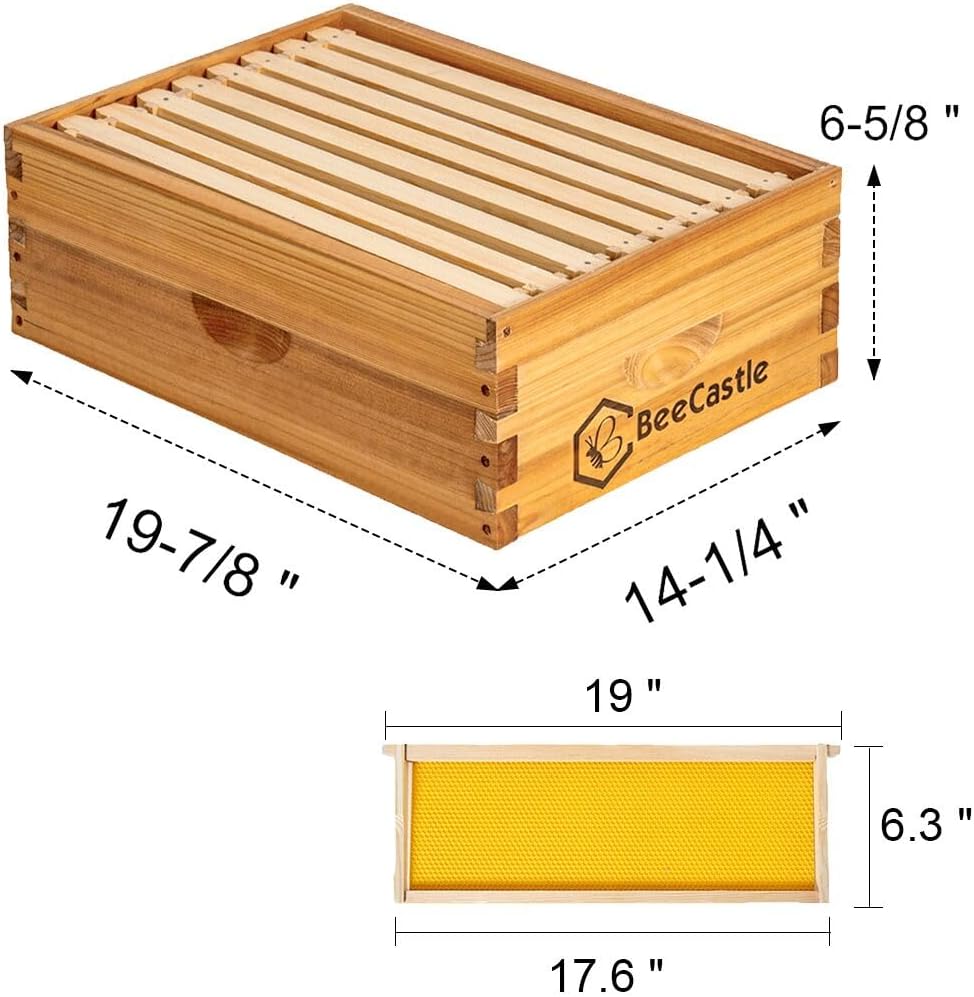 BeeCastle 8 Frame Assembled Medium Honey Super with Frames9.7/10View on Amazon
- 2
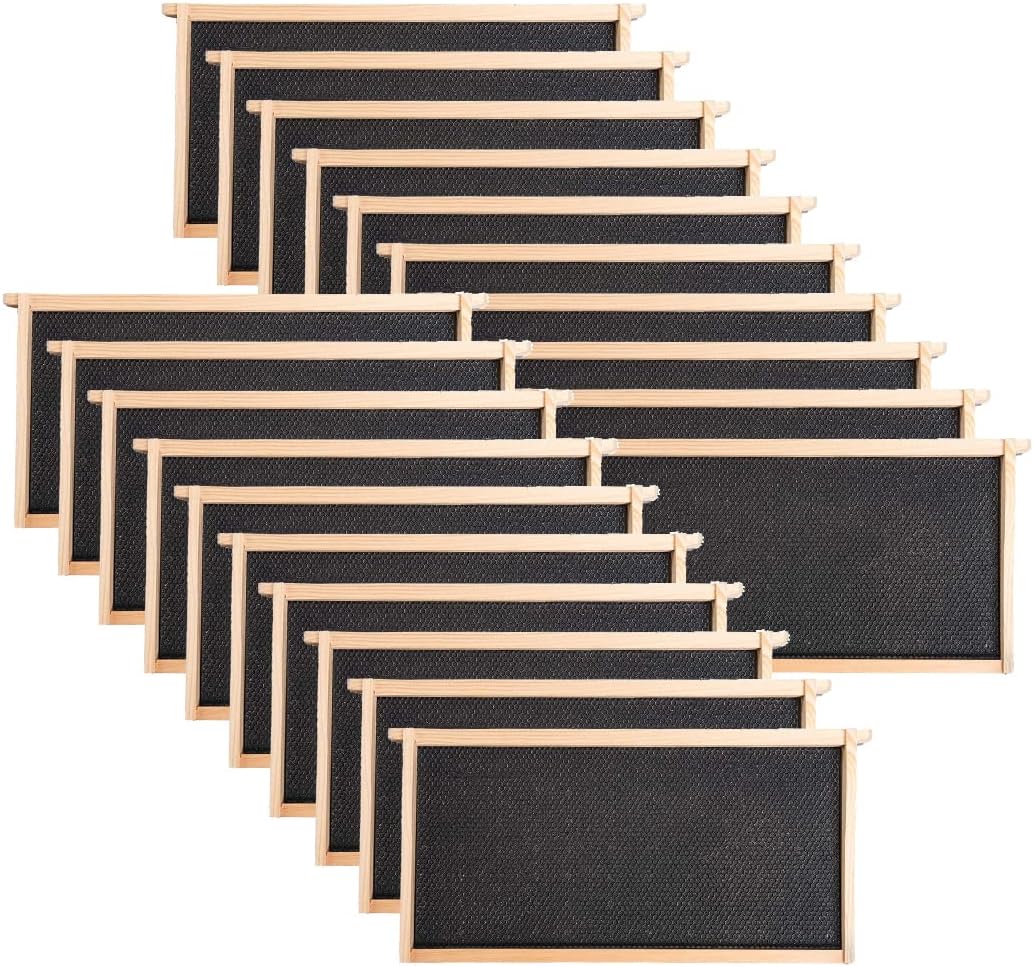 MayBee 20 Pack Honey Bee Frames with Beeswax Coated Food9.7/10View on Amazon
- 3
 20 Pack Honey Bee Frames with Beeswax Coated Food Grade9.6/10View on Amazon
- 4
 BeeCastle 20 Pack Medium Beehive Frames and Waxed FoundationsView on Amazon
- 5
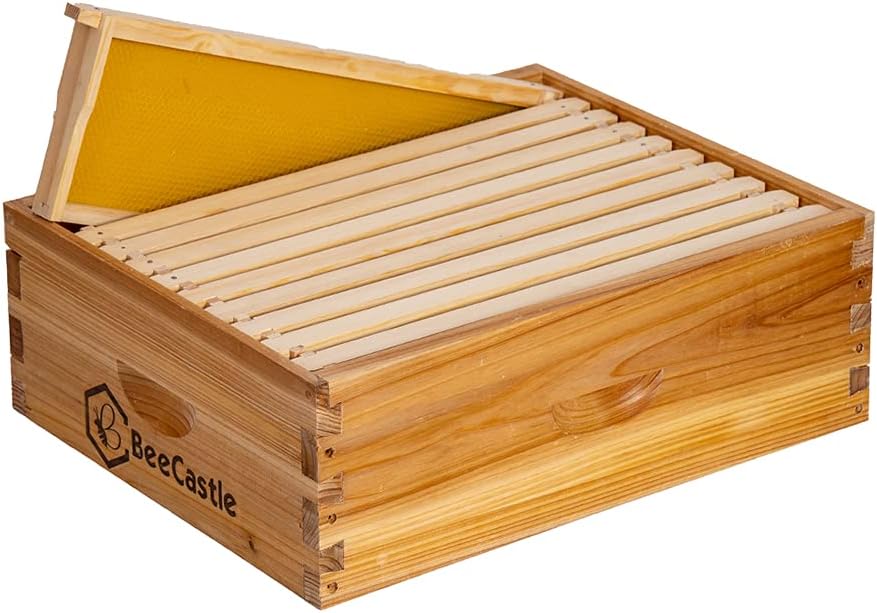 BeeCastle 10 Frame Medium Super Bee Hive BoxView on Amazon
- 6
 BeeCastle 8 Frame Medium Super Bee Hive BoxView on Amazon
- 7
 Little Giant 10-Frame Medium Super Beehive Body with FramesView on Amazon
- 8
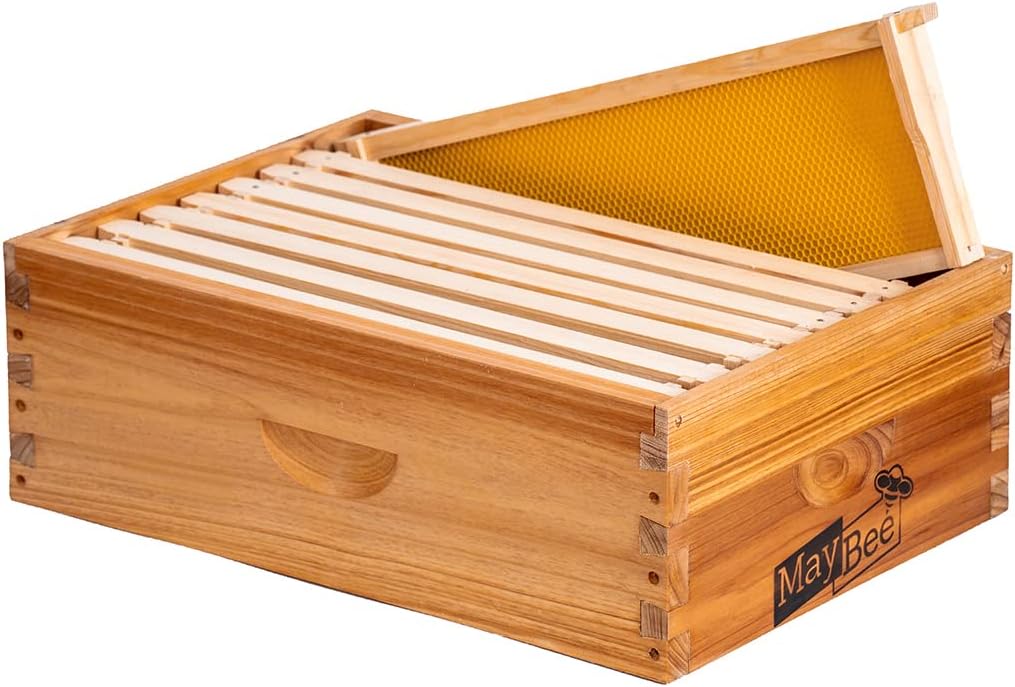 8-Frame Beehive Box Langstroth Medium Super Bee Box for SaleView on Amazon
- 9
 MayBee 10-Frame Beehive Box Langstroth Medium Super Bee BoxView on Amazon
When the main nectar flow begins and worker bees start filling every open cell with fresh nectar, choosing between medium vs shallow frames determines how heavy your honey supers will feel and how easily gear swaps across your apiary. If you want lighter boxes that protect your back during harvest, buy shallow frames; if you prefer standardized equipment that can interchange with brood chambers or hold more honey per box, buy medium frames. Both sizes serve as dependable honey supers in modern Langstroth hives, but understanding their tradeoffs before the supers go on helps you build an efficient, comfortable setup.
Other hives and gear to compare
 BeeCastle 20 Pack Medium Beehive Frames and Waxed FoundationsCheck price on Amazon
 BeeCastle 10 Frame Medium Super Bee Hive BoxCheck price on Amazon
 BeeCastle 8 Frame Medium Super Bee Hive BoxCheck price on Amazon
 Little Giant 10-Frame Medium Super Beehive Body with FramesCheck price on Amazon
 8-Frame Beehive Box Langstroth Medium Super Bee Box for SaleCheck price on Amazon
 MayBee 10-Frame Beehive Box Langstroth Medium Super Bee BoxCheck price on Amazon
HiveKeeperGear earns a commission when you buy through links on this site, at no extra cost to you. As an Amazon Associate I earn from qualifying purchases. Affiliate disclosure.
Before you buy: box depth and super compatibility
Every Langstroth hive relies on precise bee space so colonies can build straight comb without gluing adjacent parts together. Because frames hang from internal wooden rebates, frame depth must match box depth exactly. A medium frame requires a medium super, and a shallow frame requires a shallow super. Placing a taller frame inside a shallower box prevents the hive cover or upper box from closing, while hanging a shallow frame in a deeper box leaves empty void space where bees construct messy burr comb.
Before investing in new woodenware, check the boxes you already own and consider how you plan to manage colony expansions. While both frame styles sit on standard Langstroth brood chambers, committing to a single super depth simplifies your seasonal workflow. Our guide to types of bee hive frames explains general construction options, while our honey super vs medium comparison breaks down standard box configurations across backyard yards.
Medium vs shallow frames: key differences compared
| Comparison factor | Medium frames | Shallow frames | Which to choose |
|---|---|---|---|
| Box lifting weight | Heavier load when full of honey | Lighter load when full of honey | Shallow for easier lifting |
| Apiary interchangeability | Interchanges across all-medium setups | Dedicated strictly to honey supers | Medium for shared equipment |
| Honey yield per box | Higher honey volume per super | Lower honey volume per super | Medium for fewer box handlings |
| Comb honey production | Less common for cut comb | Traditional choice for cut comb | Shallow for delicate comb honey |
| Equipment availability | Universally stocked by suppliers | Widely stocked but less common | Medium for maximum supply choice |
| Extractor compatibility | Fits standard radial and tangential baskets | Fits standard radial and tangential baskets | Both fit standard extractors |
1. Lifting weight and physical strain
The physical weight of full honey supers represents the sharpest distinction between medium and shallow equipment. During a bountiful honey flow, a vigorous colony can pack a super with dense, capped honey in a matter of weeks. When harvest day arrives in late summer, lifting multiple heavy boxes off the hive and carrying them to your truck or workshop puts substantial strain on your back, shoulders, and wrists.
Medium frames hold a generous volume of honey, making a fully capped medium super quite heavy to hoist, especially when working chest-high on stacked colonies. Shallow frames reduce that lifting burden considerably. Because shallow boxes are shorter, a full shallow super is substantially lighter than a packed medium box. For beekeepers managing back discomfort, older keepers, or solo hobbyists working without a lifting partner, shallow supers offer a safer, more sustainable physical routine throughout harvest. Reviewing our picks for the best beehive frames helps you source sturdy wooden frames with reinforced top bars built to withstand frequent handling.
2. Hive interchangeability and box standardization
Equipment standardization is a major consideration for growing apiaries. Many beekeepers choose to establish an all-medium hive system, utilizing identical medium boxes for both brood chambers and honey supers. In an all-medium yard, every frame is completely interchangeable. You can move brood combs up into honey supers to relieve brood nest congestion, rotate frames between colonies, or drop surplus honey frames down into light colonies preparing for winter.
Shallow frames do not provide this cross-box flexibility. Because shallow frames have minimal vertical depth, queens are reluctant to lay across them, and using shallow boxes as brood chambers creates fragmented brood patterns across multiple stacked boxes. Shallow equipment is therefore kept strictly as honey supers. If you use deep brood boxes, shallow supers introduce an entirely separate frame size into your operation that cannot interchange with your brood nest.
3. Honey yield and extraction workflow
Harvest efficiency depends directly on how many frames you must handle from hive to bottling bucket. Because medium frames hold more comb surface than shallow frames, a colony requires fewer medium boxes to store a given honey crop. Fewer boxes means purchasing, assembling, wiring, and storing fewer total supers and frames across your beekeeping career.
During extraction, handling medium equipment means uncapping fewer frames and running fewer extraction cycles to harvest your honey. However, both medium and shallow frames fit into standard radial and tangential honey extractors without special adapters. When uncapping with a heated knife or uncapping fork, shallow frames are slightly faster to skim because the comb depth matches common blade widths cleanly. You can compare harvest machinery in our guide to honey extractors and select uncapping tools in our overview of uncapping tools.
4. Cut comb and specialty honey production
For beekeepers interested in harvesting whole comb honey rather than spun liquid honey, shallow frames hold a decided advantage. Producing cut comb honey requires bees to draw fresh comb on foundationless frames or ultra-thin surplus wax sheets. Because natural beeswax comb without internal reinforcement is fragile, shorter comb spans resist sagging, buckling, and breaking under warm summer temperatures.
Shallow frames provide the ideal height for cutting standard square comb portions with minimal trimming and scrap wax. Medium frames can also yield comb honey, but the taller vertical comb face is more susceptible to collapsing under its own weight when fully loaded with warm honey. If your primary goal involves producing beautiful comb honey squares for gifts or sale, shallow supers remain the traditional standard. For foundation options, see our analysis of plastic vs wood bee frames.
5. Gear storage and equipment inventory
Beekeeping requires substantial off-season storage space once honey supers come off the hives in late summer. Empty supers must be stored in a dry, ventilated shed or garage, protected against wax moth larvae and mice throughout winter. An apiary running all-medium equipment stacks uniformly, creating neat, stable towers that maximize storage footprints.
Introducing shallow supers alongside deep or medium brood equipment creates mismatched stacks. You must maintain separate replacement inventories of shallow foundation, shallow nails or fasteners, and shallow storage covers. While this equipment variety is manageable for a small backyard yard with a couple colonies, keeping your inventory streamlined becomes increasingly valuable as your hive count expands. Our guide to cleaning bee frames for reuse details how to protect drawn comb between seasons.
A seasonal workflow comparison
Spring buildup: As colonies expand rapidly during spring, beekeepers monitor brood congestion. In an all-medium setup, beekeepers can insert drawn medium combs directly into expanding brood nests to provide instant laying room. Shallow supers remain safely stacked in storage until the brood nest is fully established and honey storage begins.
Summer honey flow: When nectar begins flowing steadily, supers are placed above the queen excluder. Medium supers provide expansive storage volume, allowing bees to store abundant nectar during intense, short flows. Shallow supers allow beekeepers to add smaller increments of space as a flow tapers off, preventing unfinished, uncapped surplus comb at the end of the season.
Late summer harvest: When taking honey off the hive, shallow supers prove their worth by keeping lifting loads comfortable. Moving boxes down apiary paths is gentler on your body with shallow supers. Conversely, medium supers require lifting heavier loads but reduce the total number of trips between the apiary and the honey house.
Fall and winter prep: After harvest, supers are returned to the hives for bees to clean residual honey, then removed for winter storage. Inspecting winter cluster stores is straightforward when surplus boxes have been removed, leaving bees to consolidate in their brood chambers.
Helpful accessories for frame management
- A sturdy frame grip to pull sticky frames from propolis-sealed supers with steady control.
- A frame perch or frame rest that attaches to the hive side, keeping frames off damp ground during inspections.
- A stainless uncapping fork to open low honey cells that flat uncapping knives skim past.
- A stainless honey strainer to filter wax particles before settling honey in bottling buckets.
- A dedicated hive cart or wheelbarrow to transport full honey supers from the bee yard to extraction without manual carrying.
Investing in basic handling gear makes managing either frame size far smoother, especially when working through a heavy nectar flow. Filtering your harvest properly with a dependable honey strainer ensures clean, clear honey in every jar.
When deep frames make more sense
Deep frames remain the standard choice for brood rearing across traditional Langstroth hives. While beekeepers occasionally consider deep frames for honey collection, full deep boxes are exceptionally heavy, making them impractical and physically punishing as honey supers. For honey storage above the brood nest, the practical choice remains between medium and shallow frames. To explore brood equipment options, consult our comparison of deep vs medium frames. We also do not provide colony health, pest control, or chemical treatment recommendations; contact your regional agricultural extension office for localized apiary guidance.
FAQs for beekeepers
Can you use medium frames in shallow supers?
No, medium frames are taller than shallow supers and will not fit inside them. Placing a taller frame in a shallower box prevents upper boxes and hive covers from sitting flush.
Can you use shallow frames in medium supers?
Shallow frames can hang on the frame rests of a medium super, but bees will fill the empty void beneath the bottom bar with wild burr comb. This extra comb creates messy inspections and tears open honey stores when frames are pulled.
Why do some beekeepers run all medium boxes?
Running all medium equipment creates complete interchangeability across brood chambers and honey supers. Beekeepers only need to purchase, assemble, and store a single box and frame size across their entire apiary.
Are shallow frames better for producing cut comb honey?
Yes, shallow frames are traditional favorites for cut comb honey because foundationless or thin surplus wax comb remains structurally stable across shorter spans. The resulting comb sections fit standard consumer packaging without excessive trimming.
Which frame size is easier to lift during honey harvest?
Shallow frames are noticeably easier to lift because a full shallow super holds less honey volume than a medium super. Beekeepers seeking to minimize back strain often choose shallow supers for their lighter lifting weight.
More hive guides
Browse our related hive and frame resources: see every hive frames guide, explore all beehives guides, or review our medium frames for honey supers and best hive frames.