Entrance Feeder vs Bucket Feeder: Which One Should You Buy?
A calm, practical comparison of jar-at-the-entrance feeding and pail-on-top feeding: how each style works, where each one wins, and how to set either up without trouble.

On this page
Top picks at a glance
As an Amazon Associate I earn from qualifying purchases.
- 1
 Front Entrance Honey Bee Feeder & Lid9.6/10View on Amazon
- 2
 Little Giant® Plastic Bucket Bee Feeder9.6/10View on Amazon
- 3
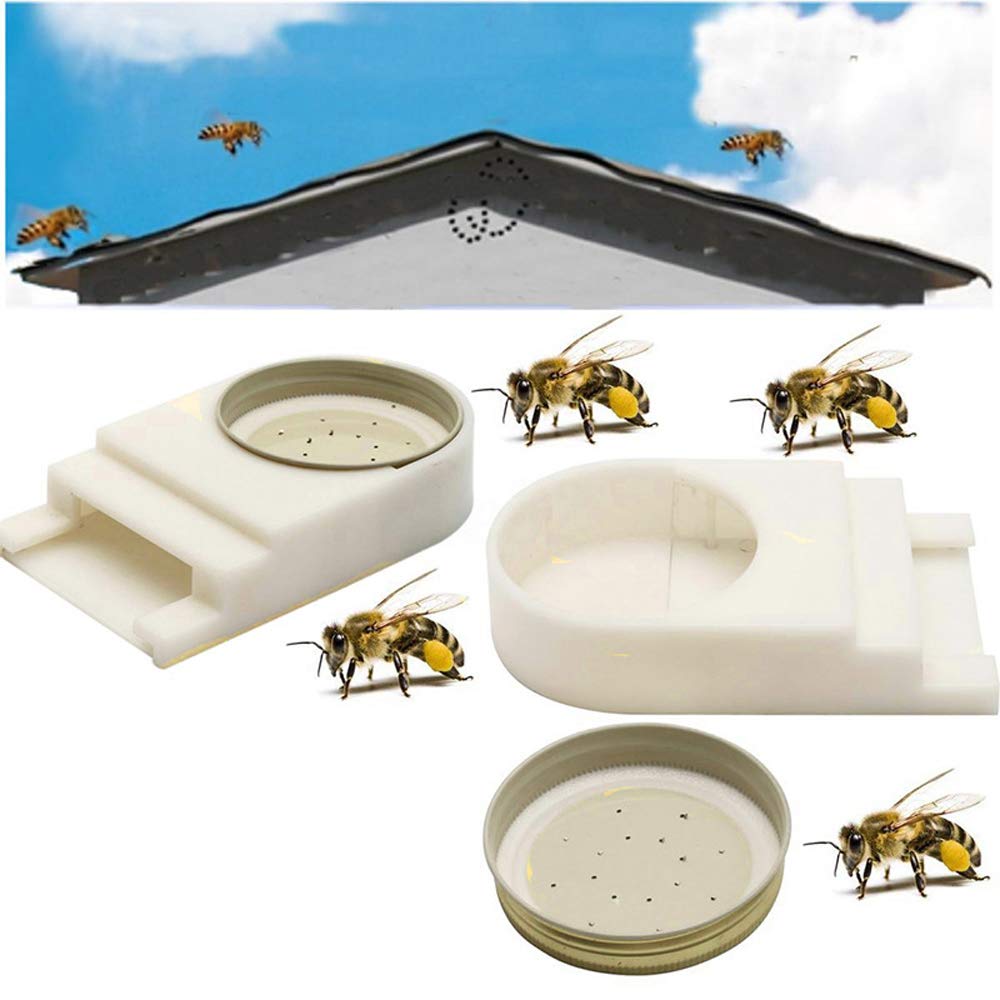 Bee Hive Entrance FeederView on Amazon
- 4
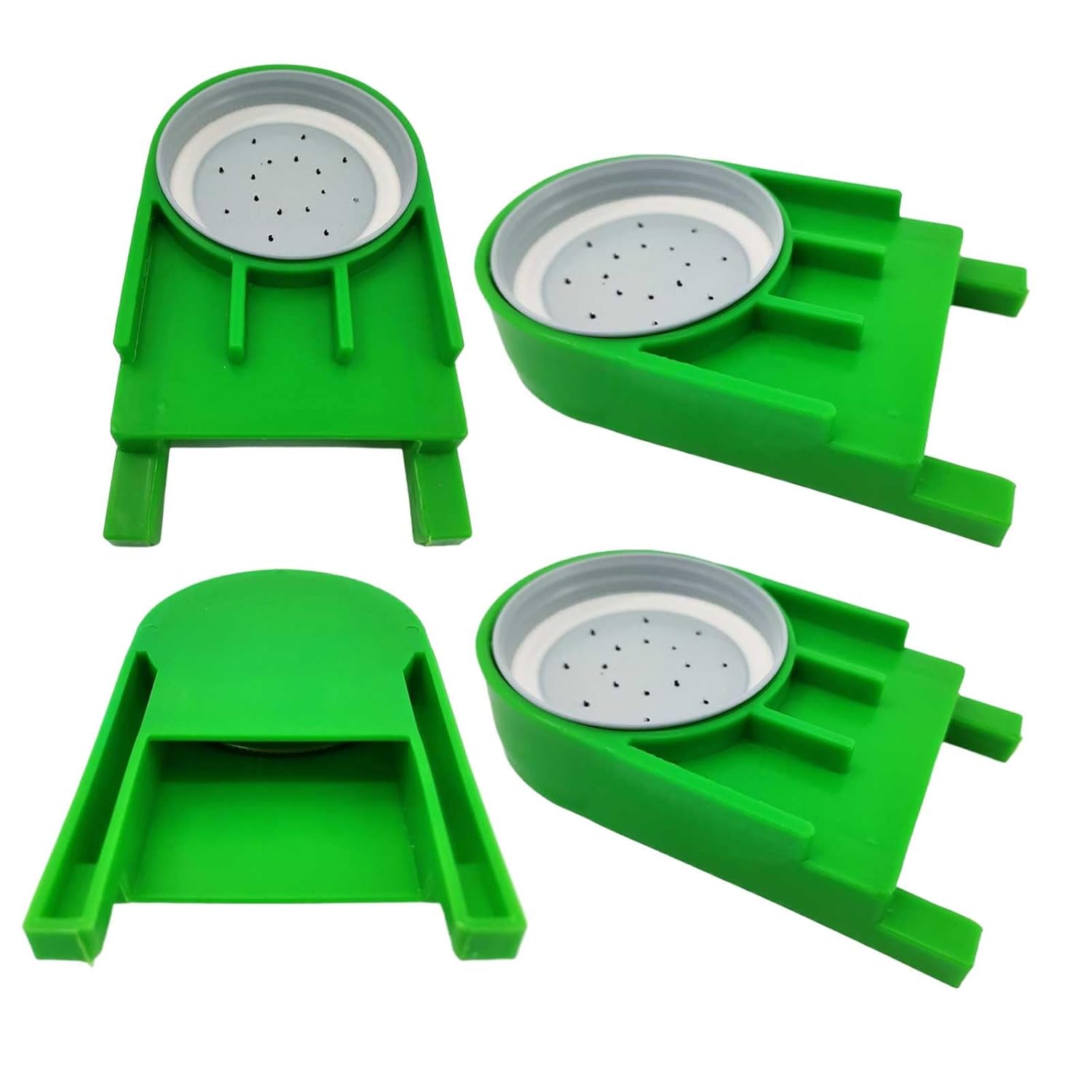 4 Pack Bee Hive Feeder -Green Entrance Feeders for Bee HivesView on Amazon
- 5
 Bee FeederView on Amazon
- 6
 Toddmomy 8pcs Metal Bee Feeders Entrance Beehive LidView on Amazon
- 7
 Bee Hive Feeder -8 Pack Green Entrance Feeders for Bee HivesView on Amazon
- 8
 Rtteri 2 Pcs Bee Feeders for Hives with 1 LidsView on Amazon
Spring buildup brings the same question to the bee yard every season: entrance feeder vs bucket feeder, which style should feed this colony? The short answer is that an entrance feeder trades capacity for convenience, while a bucket feeder trades convenience for capacity. An entrance feeder is a small tray that holds an inverted jar at the hive front, so syrup levels can be checked and refilled without opening the hive. A bucket feeder is an inverted pail set over the inner cover, feeding the colony from above with a larger reserve. This guide explains how each style works, compares them side by side, and walks through the situations that suit each one.
Other hives and gear to compare
 Bee Hive Entrance FeederCheck price on Amazon
 4 Pack Bee Hive Feeder -Green Entrance Feeders for Bee HivesCheck price on Amazon
 Bee FeederCheck price on Amazon
 Toddmomy 8pcs Metal Bee Feeders Entrance Beehive LidCheck price on Amazon
 Bee Hive Feeder -8 Pack Green Entrance Feeders for Bee HivesCheck price on Amazon
 Rtteri 2 Pcs Bee Feeders for Hives with 1 LidsCheck price on Amazon
HiveKeeperGear earns a commission when you buy through links on this site, at no extra cost to you. As an Amazon Associate I earn from qualifying purchases. Affiliate disclosure.
Entrance feeder vs bucket feeder: the short answer
Choose an entrance feeder when frequent checks matter more than capacity: a new package drawing comb, a small colony in spring buildup, or any setup where the keeper wants to avoid opening the hive. Choose a bucket feeder when the colony needs a steady reserve with less attention: a strong colony during a dearth, or fall feeding when the weather turns and hive openings should stay brief. Robbing pressure is the tiebreaker: syrup at the entrance advertises itself to every forager in the yard, while feed inside the hive stays out of sight.
| Aspect | Entrance feeder | Bucket feeder |
|---|---|---|
| Where it sits | At the hive entrance, jar inverted over a tray | Over the inner cover hole, under an empty box or cover |
| Refilling | From outside the hive, without opening it | Lift the outer cover and swap the pail |
| Jar or pail size | Small-mouth or regular-mouth mason jars, 2-3/4 inch opening | Not stated |
| Pack sizes listed | 2-pack and 4-pack feeders; replacement lids in sets of 8 | Not stated |
| Materials stated | Plastic bases; aluminum or stainless steel lids on some listings | Not stated |
| Weather exposure | Syrup sits outside the hive | Syrup sits inside, under cover |
| Robbing pressure | Higher: scent at the front door | Lower: feed is inside the hive |
Sizes and pack counts above are manufacturer stated as listed; where a figure is not stated, the cell says so.
How an entrance feeder works
A mason jar filled with sugar syrup or water takes a perforated lid, is inverted over the tray, and the tray slides into the hive entrance. A vacuum forms under the lid and lets syrup seep onto the tray as bees drink, instead of flooding it. Because the jar sits outside the hive, the keeper can see the syrup level at a glance and swap jars without lifting a cover or disturbing the cluster.
The listings describe a consistent shape. The Lohas Select listing states a tray 5.1 inches long, 3.15 inches wide and 1.18 inches tall, sold as a 2-pack that fits small-mouth canning jars. The Dabkanna listing states 5.51 by 3.15 by 1.1 inches with an item weight of 12.5 ounces, an aluminum cover, and a sealing ring that holds the vacuum. The NIZEFEI 4-pack listing states a one-piece plastic back that reduces seam leaks, at 3.15 by 5.5 by 1.1 inches and 12 ounces, fitting 2-3/4 inch regular-mouth jars. The PUERDEAN listing pairs an aluminum cap with a plastic base and fits 2.75-inch jars, sold as a 2-pack. For more on this style, see our entrance feeder for bees comparison and the mason jar feeder picks.
How a bucket feeder works
A bucket feeder is a pail with a perforated lid, filled with syrup, inverted over the hole in the inner cover, with an empty box or cover set above it to shelter the pail. Bees cluster beneath the lid and draw syrup downward through the holes. Refilling means lifting the outer cover and swapping the pail, so the hive is opened briefly, but the feed itself stays inside and out of reach of robbers. With no jar at the entrance, the colony front stays clear for normal traffic, and the larger reserve means fewer visits during heavy feeding. Our bucket feeder for bees comparison covers pail-style options in detail.
When an entrance feeder is the better call
New colonies started from packages often need feed while they draw comb, and an entrance feeder lets the keeper watch consumption without opening the hive. The same visibility helps during spring buildup, when a colony can empty a jar quickly and a delayed refill means hungry bees. Keepers who want to avoid lifting boxes also appreciate feeding from the front. The caution is robbing: during a dearth, syrup scent at the entrance can draw foragers from other colonies, so watch the entrance and be ready to move feeding inside. Beginners comparing first feeders can start with our best bee feeder for beginners picks, and the entrance feeder vs top feeder guide covers the other front-versus-inside choice.
When a bucket feeder is the better call
A strong colony facing a nectar dearth can drink steadily from a pail without the keeper refilling at every visit. Fall preparation is another fit: the colony needs stores before cold weather, and each refill is one quick lift of the outer cover rather than repeated entrance visits. Yards with several hives, where robbing pressure runs highest, also favor feeding inside. The tradeoff is visibility: the keeper cannot see the level without opening the hive, so refills follow a routine rather than a glance. Compare the inside options in our bucket feeder vs top feeder guide, and see sugar syrup vs fondant for what goes inside the pail.
Setting up either style without trouble
Start with clean equipment: rinse the jar or pail and check the lid holes for clogs before each fill. Fill, cap, and invert over a sink or bucket to confirm the seal holds before walking it to the hive; a lid that drips steadily needs reseating, not a second trip. Seat an entrance feeder tray fully in the opening so bees cannot slip around its edges, and keep syrup off the landing board where it draws attention. For a bucket feeder, center the pail over the inner cover hole and settle the sheltering box straight, so no gap invites robbers. Never set syrup out in the open: as the Toddmomy listing warns, open feeding draws bees from neighboring managed and feral colonies as well as your own. Store spare lids and jars clean and dry between uses, and retire any lid whose holes have enlarged or whose seal no longer holds.
FAQs for beekeepers
Can an entrance feeder cause robbing?
It can, especially during a dearth when forage is scarce and syrup scent carries. Syrup at the hive front is easy for foreign foragers to find, so watch for fighting at the entrance and move feeding inside if robbing starts.
What jar size fits an entrance feeder?
The listings state small-mouth or regular-mouth mason jars with a 2-3/4 inch opening; the NIZEFEI, Dabkanna and PUERDEAN listings all name that size. Jars are usually not included, so check the opening before filling.
Do I have to open the hive to refill a bucket feeder?
Briefly. The pail sits over the inner cover under an empty box or cover, so refilling means lifting the outer cover and swapping pails, then closing up again.
Can I put water in an entrance feeder?
Yes. The Dabkanna and PUERDEAN listings describe their feeders for water or sugar syrup, and the NIZEFEI listing mentions water for hive hydration in hot weather.
Which style holds more feed?
The listings state no capacity figure for jar-based entrance feeders, and no bucket feeder sizes at all. In practice a pail holds a larger reserve than a single mason jar, which is why bucket feeders suit steady feeding with fewer visits.
More hive guides
Browse every guide by category: beehives, protective gear, hive tools and honey harvesting.