Robber Screen vs Entrance Reducer: Which One Should You Buy?
A guide comparing robber screens and entrance reducers for honey bee hives, covering robbing defense, ventilation, mouse guards, and seasonal installation.

On this page
Top picks at a glance
As an Amazon Associate I earn from qualifying purchases.
- 1
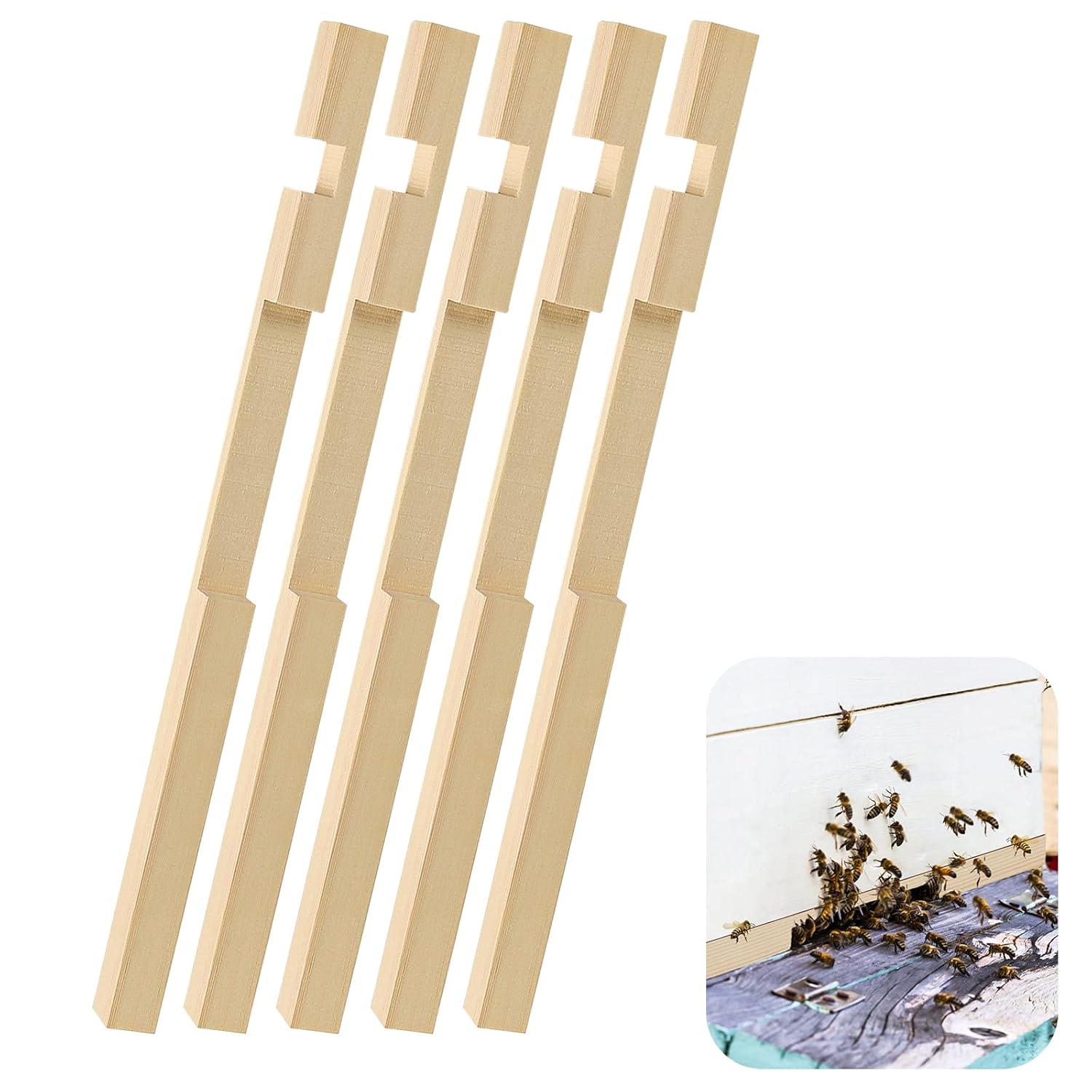 whumsdog 10 Frame Wooden Hive Entrance Reducer with 2 Size9.6/10View on Amazon
- 2
 BeeCastle Beeswax Coated Cedar Hive Entrance Reducer for 109.6/10View on Amazon
- 3
 BeeCastle Beeswax Coated Cedar Hive Entrance Reducer for 89.6/10View on Amazon
- 4
 10 Pack Beehive Entrance Reducer 10 Frame Wood Bee HiveView on Amazon
- 5
 Amyhill Beehive Entrance Reducer 10 Frame Wooden Hive DoorView on Amazon
- 6
 10-Frame Screened Bottom Board with Entrance Reducer forView on Amazon
- 7
 DECYOOL 6 Pack Wooden Bee Hive Entrance Reducer FrameView on Amazon
- 8
 DECYOOL 4 Pieces Beehive Entrance ReducerView on Amazon
- 9
 Little Giant® Beehive Entrance ReducerView on Amazon
When comparing a robber screen vs entrance reducer for hive defense, the right choice depends on whether your colony faces active robbing pressure or simply needs a narrowed entrance for seasonal colony management. An entrance reducer restricts the hive opening to a small gap that guard bees can patrol during spring buildup, autumn cooling, or winter, and durable metal models also block mice. A robber screen covers the entire lower entrance with wire mesh while directing resident bees through an offset upper exit, stopping robber bees that follow the scent of honey to the screen face while maintaining full ventilation during a nectar dearth. If robbing has already started or nectar is scarce in hot weather, choose a robber screen; for routine colony management, winter mouse protection, and gentle seasonal narrowing, choose an entrance reducer.
Other hives and gear to compare
 10 Pack Beehive Entrance Reducer 10 Frame Wood Bee HiveCheck price on Amazon
 Amyhill Beehive Entrance Reducer 10 Frame Wooden Hive DoorCheck price on Amazon
 10-Frame Screened Bottom Board with Entrance Reducer forCheck price on Amazon
 DECYOOL 6 Pack Wooden Bee Hive Entrance Reducer FrameCheck price on Amazon
 DECYOOL 4 Pieces Beehive Entrance ReducerCheck price on Amazon
 Little Giant® Beehive Entrance ReducerCheck price on Amazon
HiveKeeperGear earns a commission when you buy through links on this site, at no extra cost to you. As an Amazon Associate I earn from qualifying purchases. Affiliate disclosure.
Before you buy: recognize robbing behavior and seasonal risks
Robbing happens when foraging bees from strong colonies, or opportunistic wasps and yellowjackets, invade a weaker hive to steal stored honey. This behavior peaks during a nectar dearth, when flowering plants stop yielding nectar in late summer and early autumn. Unlike normal hive activity where foragers fly directly in and out with pollen, robber bees display erratic flight, darting side to side near the corners of the box and fighting with guard bees on the landing board. If left unchecked, robbing can destroy a small colony and strip its honey reserves rapidly. Understanding whether your apiary faces routine seasonal changes or intense robbing pressure determines whether you need an entrance reducer or a specialized robber screen.
The robber screen vs entrance reducer guide, step by step
| Step | Equipment | Primary role | Our guide |
|---|---|---|---|
| 1 | Wooden entrance reducer | Seasonal entrance narrowing for small colonies and winter | Hive entrance reducers |
| 2 | Metal entrance reducer and mouse guard | Rodent protection and entrance restriction in cold weather | Entrance reducer vs mouse guard |
| 3 | Robber screen | Active robbing defense with ventilation during dearth | Winter entrance defense |
| 4 | Screened bottom board | Lower hive ventilation when entrances are restricted | Screened vs solid bottom board |
| 5 | Internal hive feeder | Syrup feeding without attracting opportunistic robber bees | Entrance feeder vs top feeder |
1. Entrance reducers for routine management
An entrance reducer is a wooden cleat or sliding metal bar placed across the bottom entrance of a Langstroth hive. Standard wooden reducers fit directly into the entrance channel on the bottom board, providing notches of varied sizes to restrict the opening. Reducing the doorway allows a growing spring colony or a small nucleus colony to concentrate its guard bees across a narrow threshold, keeping out stray intruder bees and conserving warmth during chilly nights.
While an entrance reducer works well for routine management, it faces drawbacks during an active robbing event. Because the opening is direct, honey aroma continues to vent straight through the notch. During a severe nectar dearth, persistent robber bees can gather at that opening and overpower the resident guards. For standard apiary management and gentle seasonal adjustments, combine an entrance reducer with your choice of 10-frame kits or 8-frame kits.
2. Robber screens for active defense and dearth
A robber screen defends a hive by exploiting the scent tracking habits of robber bees. The device covers the entire lower entrance with a wide mesh screen while providing an offset entrance notch, usually positioned along the top edge or side. Honey scent drifts straight forward through the wire mesh. Robber bees fly toward the aroma, landing directly on the screen face where they fruitlessly push against the wire. Resident bees, meanwhile, quickly learn the detour, exiting and returning through the upper opening.
The Blythewood Bee Company robbing screen listing states an item weight of 12 ounces. Because the entire front remains screened rather than sealed, the colony receives full airflow while staying completely protected from robbing invaders. If you notice fighting on the landing board or erratic flight at the hive corners, installing a robber screen halts the invasion without suffocating the colony.
3. Ventilation and temperature control
Ventilation marks a critical functional distinction between both options. In many regions, the autumn nectar dearth arrives during hot late-summer weather. If you restrict a hive entrance to a small wooden notch when afternoon temperatures soar, the colony struggles to regulate hive temperature. Bees may beard heavily outside the hive, and interior brood cooling becomes difficult.
A robber screen solves this ventilation problem because air circulates freely through the broad wire mesh. Guard bees remain protected behind the wire, while foragers move in and out of the upper bypass without causing a traffic bottleneck. Combining a robber screen with screened bottom boards keeps the brood nest well ventilated while keeping out persistent robbers.
4. Material choices and mouse protection
Entrance reducers and robbing screens also differ in materials and winter utility. Wooden entrance reducers are lightweight and fit neatly by friction, but hungry mice can chew through soft wood when seeking shelter in autumn. Metal guards provide superior defense against rodents because rodent teeth cannot penetrate steel.
For beekeepers needing durable entrance hardware, the TIHOOD metal entrance reducer listing specifies 24-gauge steel with an enamel finish, two 3/16 inch center screw holes, package dimensions of 12.64 by 2.13 by 1.26 inches, and a total weight of 13.12 ounces for a pack of 4 units that fit both 8 frame and 10 frame hives. A metal guard of this type stops mice during winter, whereas a robber screen is specialized for insect robbing and is normally removed before deep winter sets in.
5. Installation and colony orientation
Timing your installation correctly prevents confusion in the bee yard. An entrance reducer can be inserted during routine daytime inspections by gently pushing it into place. A robber screen, however, should be installed early in the morning before foraging begins, or late in the evening after flight activity ceases. Installing a screen while bees are actively flying causes returning foragers to mill about on the screen face alongside confused robbers.
When installed during quiet hours, resident bees wake up, encounter the screen, and explore the interior perimeter until they find the upper exit notch. As exiting bees pass through the opening, they leave footprint pheromones that guide returning foragers back through the same passage. The colony typically masters the new route in short order, while outsider bees continue buzzing uselessly at the front mesh.
A seasonal defense timeline
Spring buildup: Use an entrance reducer with a larger notch opening to assist growing colonies as they expand comb and brood, opening to full entrance width once strong nectar flows arrive. Summer flow: Keep hive entrances completely open to accommodate heavy foraging traffic, honey supers, and maximum cooling. Autumn dearth: Install a robber screen at early signs of nectar dearth or if robbing activity appears. If feeding syrup to build winter stores, use internal beehive feeders rather than front entrance feeders to avoid sparking a robbing frenzy. Winter prep: Remove robber screens after foraging ends, and install a sturdy metal entrance reducer to block mice and cold winds through the winter months.
Useful hive entrance accessories
- A durable metal entrance reducer to stop mice and regulate entrance airflow during winter prep.
- A spare robber screen stored in your bee shed for immediate deployment when robbing begins.
- An internal frame feeder or division board feeder that allows safe autumn syrup feeding without attracting neighborhood bees.
- A dependable hive tool from our hive tools guide to pry propolis-glued reducers free during inspections.
- Protective winter equipment such as bee hive winter wraps for apiaries facing freezing winds.
Preparing entrance gear before the autumn nectar dearth begins ensures you can protect vulnerable colonies before robbing causes irreversible damage.
What is not on this list
This guide covers physical hive entrance equipment, specifically entrance reducers and robber screens. We do not provide chemical pest treatments, veterinary medicines, or hive disease remedies. For apiary health diagnostics and local management regulations, consult your state apiary inspector or local agricultural extension office.
FAQs for beekeepers
Can resident bees get through a robber screen?
Yes. Resident bees quickly learn to use the offset upper exit notch, guided by hive scent and walking orientation, while robber bees remain focused on the front wire mesh where honey aroma escapes.
When should I use an entrance reducer instead of a robber screen?
Use an entrance reducer during spring buildup, mild autumn weather, or winter preparation when a colony simply needs a smaller opening to defend against drafts and routine intruders without active robbing pressure.
Does an entrance reducer stop robbing once it starts?
An entrance reducer narrows the doorway, but during an aggressive robbing frenzy, persistent robber bees can overwhelm the small notch. A robber screen is far more effective once robbing has begun.
Will an entrance reducer fit both 8 frame and 10 frame hives?
Standard wooden reducers are sized for specific hive widths, but sliding metal models such as the TIHOOD listing adjust to fit both 8 frame and 10 frame equipment. Robber screens need to match the exact width of your hive body.
Can I leave a robber screen on a hive all winter?
Robber screens are usually removed before winter. During cold weather, dead bees can accumulate against the lower wire mesh and block ventilation, and robber defense is not needed once cold temperatures stop flight activity.
More hive guides
Browse every guide by category: beehives, protective gear, hive tools and honey harvesting.
More picks: Compare entrance reducer vs mouse guard, explore screened vs solid bottom board options, or review our guide to beekeeping supplies for beginners.