Ventilated Bee Jacket vs Full Bee Suit: Which One Should You Buy?
A direct comparison of ventilated bee jackets and full bee suits, balancing inspection speed and summer airflow against full-body coverage in the apiary.

On this page
Top picks at a glance
As an Amazon Associate I earn from qualifying purchases.
- 1
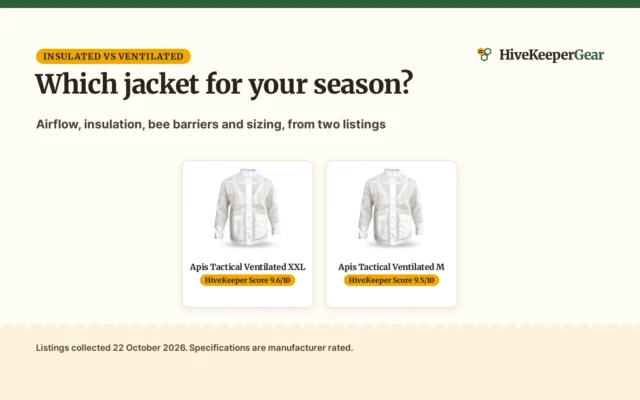
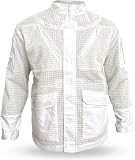 Apis Tactical ventilated bee jacket9.6/10View on Amazon
- 2
 Ventilated Beekeeping JacketView on Amazon
- 3
 Beekeeping Three Layer Mesh ventilated Jacket Fencing Veil inView on Amazon
- 4
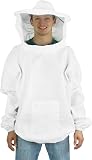 VIVO Professional L Beekeeping Suit WhiteView on Amazon
- 5VIVO Professional XL Beekeeping Suit JacketView on Amazon
- 6
 VIVO Professional White XXL Beekeeping SuitView on Amazon
- 7
 Brutul Bee 3 Layer Beekeeping Ultralight Ventilated JacketView on Amazon
Inspecting hives during the summer nectar flow requires reliable protection without overheating in the apiary. Choosing between a ventilated bee jacket vs full bee suit depends on inspection duration, yard conditions and the level of lower-body coverage you need. A ventilated jacket provides rapid cooling and quick dressing for routine hive visits, while a full bee suit offers continuous ankle-to-neck protection for extensive teardowns and defensive colonies. This guide compares both options across airflow, mobility, protection levels and seasonal yard tasks to help you decide.
Other hives and gear to compare
 Ventilated Beekeeping JacketCheck price on Amazon
 Beekeeping Three Layer Mesh ventilated Jacket Fencing Veil inCheck price on Amazon
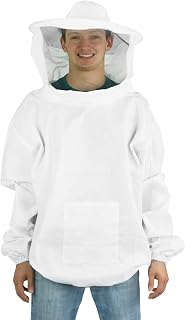 VIVO Professional L Beekeeping Suit WhiteCheck price on Amazon
- VIVO Professional XL Beekeeping Suit JacketCheck price on Amazon
 VIVO Professional White XXL Beekeeping SuitCheck price on Amazon
 Brutul Bee 3 Layer Beekeeping Ultralight Ventilated JacketCheck price on Amazon
HiveKeeperGear earns a commission when you buy through links on this site, at no extra cost to you. As an Amazon Associate I earn from qualifying purchases. Affiliate disclosure.
Before you choose: quick checks versus full apiary work
Every beekeeper approaches hive management with distinct apiary demands. A brief check to top off feeders or inspect honey supers requires far less time among the bees than complete brood nest inspections across several colonies. Protective gear should match your working pace and the temperament of your bees. While gentle bees during a nectar flow rarely target a keeper’s lower legs, defensive colonies or autumn dearth periods make leg protection vital. Evaluating your routine inspection tasks and local climate makes choosing between a jacket and a full suit straightforward.
Ventilated bee jacket vs full bee suit: direct comparison
| Feature | Ventilated bee jacket | Full bee suit | Our guide |
|---|---|---|---|
| Full-body coverage | Torso, arms, neck and head; requires heavy work pants | Continuous neck-to-ankle coverage with elastic seals | Bee suits |
| Airflow and heat management | High upper-body ventilation; legs depend on work pants | Breathable mesh ventilation extending across torso and legs | Ventilated bee suits |
| Dressing speed and convenience | Pulls over shirts quickly without stepping through pant legs | Requires stepping into legs and pulling over or removing boots | Ventilated bee jackets |
| Colony temperament suitability | Ideal for gentle backyard colonies and routine inspections | Recommended for defensive colonies, swarms and major splits | Bee suit vs bee jacket |
| Mobility and bending | Flexible waist movement and lighter overall garment weight | Full-body fabric can pull at shoulders when stooping low | Cotton vs ventilated suits |
| Gear storage and packing | Compact profile that hangs easily in an apiary shed | Larger profile requiring dedicated storage space | Protective gear overview |
1. Coverage and lower body protection
The primary difference between these garments centers on lower-body protection. A full bee suit encloses the beekeeper from head to ankle in an unbroken garment. Elastic ankle bands, often paired with leg zippers, close over work boots, stopping bees from crawling upward when you walk through grass or kneel near hive stands.
A ventilated bee jacket protects the upper torso, arms, neck and head, resting snugly at the waist with an elastic hem. Your legs rely on separate trousers. Paired with heavy canvas pants or thick denim, a jacket serves well, but loose cuffs or thin fabric leave lower legs exposed if agitated bees drop into the grass.
2. Airflow and heat management
Midsummer heat makes breathable gear essential in the apiary. Traditional cotton traps perspiration and heat against the skin. Many ventilated jackets and suits solve this by utilizing three layers of breathable mesh fabric, where outer and inner mesh layers sandwich a porous center layer that lets breezes pass through while keeping stingers away from skin.
Between the two styles, a ventilated bee jacket feels lighter and less restrictive during brief inspections because it covers only your upper body. However, lower-body heat management presents a trade-off. Because a jacket requires thick jeans or heavy canvas pants to prevent leg stings, your legs remain enclosed in unventilated fabric that traps heat. In contrast, a full ventilated suit extends breathable mesh across your entire body, allowing air to circulate around your legs as well as your torso during long hours under the sun.
3. Dressing speed and mobility
Convenience determines how smoothly inspections go. A ventilated bee jacket slips on and zips closed in moments, letting you enter the apiary quickly without changing your footwear, provided you are already wearing sturdy trousers. For backyard beekeepers managing quick feeder checks, this simplicity is invaluable.
Stepping into a full bee suit takes more effort, especially when pulling pant legs over muddy boots. Full suits can also tug at the shoulders when stooping deeply over brood chambers. A jacket leaves the waist unrestricted, making bending, lifting deep supers and carrying equipment feel agile and unconstrained.
4. Colony temperament and inspection tasks
Colony demeanor should guide your protective setup. Gentle colonies during a steady honey flow stay calm on the frames, making a ventilated jacket and sturdy jeans ideal for fast, comfortable checks.
Defensive colonies, queenless hives and autumn robbing events require extra caution. Agitated bees search for dark crevices, trouser cuffs and stretched fabric over bent knees. In these situations, the sealed, continuous barrier of a full suit provides dependable security that lets you work methodically without distraction.
5. Weight, construction and maintenance
Multi-layer ventilated mesh carries noticeable heft compared to plain cotton. Manufacturer listings illustrate these weights clearly. For example, Forest Beekeeping Supply lists its Medium 3-layer ventilated jacket at 3.09 pounds, while OZ Armour lists its Large 3-layer mesh jacket at 3.84 pounds. In larger sizes, GAIACOLMEIA lists its 3-layer ventilated jacket at 3.45 pounds for size Large, 3.63 pounds for size 3XL, and 3.85 pounds for size 4XL within a size range spanning S to 4XL. A full suit adds substantial fabric across the legs, increasing overall weight.
Hardware and veil styles also affect service life. Both Forest Beekeeping Supply and GAIACOLMEIA use heavy-duty brass zippers to handle apiary grit. Pockets add practical utility; USKeepers includes 6 pockets on its 3-layer jacket for hive tools and equipment. Headwear options vary, with USKeepers and GAIACOLMEIA each supplying 2 veils, fencing and round, with their jackets. For routine care, detach the veil for hand washing and wash the jacket body on a gentle cycle.
A seasonal yard routine
Early spring: Colony buildup begins and queens resume laying. Inspections are brief, checking food stores and brood space. A ventilated jacket is ideal for these quick visits. Summer nectar flow: Hives expand rapidly under warm sun. A ventilated jacket keeps you cool during regular inspections and adding honey supers. Late summer harvest: Removing honey supers can trigger robbing behavior and heighten defensiveness among crowded bees. A full suit provides complete protection when clearing supers from the yard. Autumn preparations: Consolidating hives and feeding syrup require thorough checks. Autumn bees guard winter stores closely, making a full suit reassuring. Winter rest: Hives remain closed. Clean veils, inspect zippers and store gear dry for next season.
Nice to have later
- Dedicated heavy canvas work pants kept strictly for apiary work with a jacket.
- Goatskin beekeeping gloves with ventilated gauntlets that overlap your sleeve cuffs.
- Tall work boots to secure pant cuffs against crawling bees.
- A stainless steel bee smoker with a wire heat shield and reliable bellows.
- A sturdy steel hive tool for prying apart propolis-sealed boxes.
- A spare veil and hat for an apiary visitor or helping hand.
Storing your gear in a clean tote keeps zippers clean and prevents spiders from nesting between hive inspections.
What is not on this list
Neither a ventilated bee jacket nor a full bee suit makes a beekeeper immune to stings. While multi-layer mesh creates a protective barrier, fabric pressed tight against shoulders or knees during heavy lifting can allow a sting through. Calm movements and proper smoker use remain your primary protection. We do not provide veterinary advice, mite treatment schedules or medical guidance for sting reactions. For colony health questions, consult your local beekeeping club or state apiary inspector.
FAQs for beekeepers
Can bees sting through ventilated mesh?
Ventilated gear commonly relies on layered mesh to keep fabric thicker than a bee’s stinger, but stings can occur if fabric is compressed tight against the body. Keeping a relaxed fit and handling frames calmly minimizes this risk.
Do I need to take off boots to wear a bee suit?
Most suits have leg zippers, but pulling legs over muddy boots can soil the suit interior. A ventilated jacket avoids this entirely by slipping over your clothing without requiring you to step through pant legs.
What pants work best with a bee jacket?
Wear thick, relaxed-fit canvas work pants or heavy denim. Tuck your pant legs into boots or use ankle bands so bees on the ground cannot crawl upward.
Which veil style is better on protective gear?
Fencing veils offer clear forward sightlines and fold flat, while round veils keep mesh away from the face on all sides. Both styles provide reliable protection.
Should a beginner choose a jacket or a suit?
Many beginners start with a full suit because complete ankle-to-neck coverage builds confidence. A ventilated jacket is an excellent addition later for quick summer inspections.
More hive guides
Browse every guide by category: protective gear, bee jackets, bee suits and beekeeping gloves, or explore our guides on beehives and hive tools.
More comparisons: our look at bee suit vs bee jacket options, ventilated vs cotton bee jacket designs, and cotton vs ventilated bee suit builds. Ready to gear up? Explore our guide to the best ventilated bee suit models or check our best beekeeping gloves.