Cedar vs Fir Beehive: Which One Should You Buy?
The key differences between cedar and fir beehives covering timber weight, weather resistance, outdoor durability, and box maintenance for your apiary.

On this page
Top picks at a glance
As an Amazon Associate I earn from qualifying purchases.
- 1
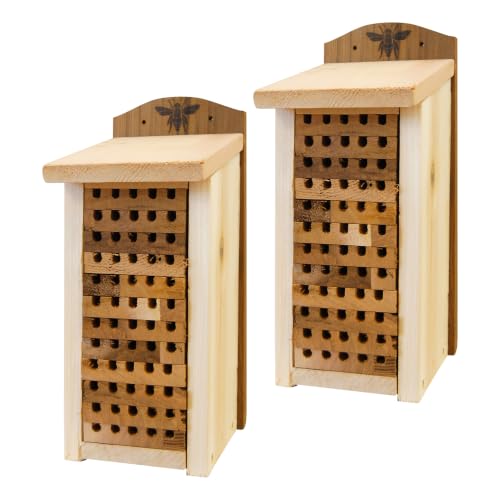 Woodlink Heavy Duty Cedar Mason Bee House9.5/10View on Amazon
- 2
 8-Frame Beehive Starter Kit9.7/10View on Amazon
- 3
 3Pack 8 Frame Beehive Quilt Box Beeswaxed Langstroth forView on Amazon
- 4
 Woodlink 28552 Heavy Duty Cedar Mason BeeView on Amazon
During a humid midsummer inspection, lifting heavy honey supers under the sun quickly reveals how much box material matters. When deciding between a cedar vs fir beehive, your choice comes down to timber weight, natural rot resistance, and maintenance needs. Buy a cedar beehive if you want lightweight boxes that resist decay, moisture, and insects naturally without needing exterior paint. Buy a fir beehive if you prefer a denser, tougher wood that resists dents from hive tools and provides solid structural rigidity, provided you paint or seal the exterior boxes against the elements.
Other hives and gear to compare
 3Pack 8 Frame Beehive Quilt Box Beeswaxed Langstroth forCheck price on Amazon
 Woodlink 28552 Heavy Duty Cedar Mason BeeCheck price on Amazon
HiveKeeperGear earns a commission when you buy through links on this site, at no extra cost to you. As an Amazon Associate I earn from qualifying purchases. Affiliate disclosure.
Before you buy: wood selection fundamentals
Selecting the lumber for your hive boxes sets the foundation for your apiary maintenance routine for seasons to come. Honey bees produce warmth and humidity inside the brood nest through cluster respiration, while outdoor elements expose box exteriors to rain, snow, sun, and ground dampness. A hive box must manage this moisture gradient while remaining structurally square so frames hang properly without rolling bees during routine frame pulls.
Both cedar and fir belong to softwood categories commonly milled for bee equipment, yet each species brings distinct qualities to the yard. Cedar features natural extractives that repel moisture and wood-decay fungi, whereas fir offers superior mechanical strength and density. Balancing these qualities depends on your local climate, physical lifting preferences, and willingness to maintain painted surfaces.
Cedar vs fir beehive comparison at a glance
| Feature | Cedar beehive | Fir beehive | Key takeaway |
|---|---|---|---|
| Natural rot resistance | High natural resistance to decay and mold | Moderate resistance; requires exterior paint | Cedar lasts outdoors without paint |
| Box weight | Lighter timber; easier lifting during inspections | Denser, heavier wood under full honey supers | Cedar reduces lifting strain |
| Structural hardness | Softer surface; can mark under heavy hive tools | Dense grain; resists prying and corner dents | Fir withstands rough hive tool prying |
| Thermal insulation | Low density provides natural thermal buffering | Higher density conducts heat and cold faster | Cedar buffers temperature shifts |
| Exterior finishing | Can stay natural, wax-dipped, or oiled | Requires primer and exterior latex paint | Fir requires protective paint |
1. Timber longevity and natural rot resistance
The primary advantage of cedar lumber in backyard beekeeping is its natural resistance to decay and moisture. Western red cedar contains natural organic compounds called thujaplicins that inhibit fungal spores and wood-boring insects. This natural defense allows cedar hive bodies to remain outdoors in wet environments without rotting, even when left unpainted. Commercial listing details illustrate this durability: the maker ACORNS highlights Western red cedar construction designed for USDA hardiness zones 3 to 10, backing its components with a 10-year warranty.
Fir is a resilient timber that provides dependable service, but it lacks the high concentration of natural preservative extractives found in cedar. When raw fir is exposed to persistent rain or sits near wet ground, moisture penetrates the grain and can encourage fungal growth over time. To achieve longevity comparable to cedar, fir hive bodies require a coating of exterior primer followed by quality exterior latex paint to seal corner joints from rain.
2. Hive weight and yard handling
Lifting hive equipment is an unavoidable part of apiary work. A deep brood chamber filled with drawn comb, brood, honey, and bees becomes heavy, and adding honey supers during a nectar flow compounds the physical demand. For beekeepers managing multiple hives or seeking to minimize back strain, the dry timber weight of the boxes makes a noticeable difference across an inspection session.
Cedar is a low-density softwood, making empty cedar boxes substantially lighter than comparable fir boxes. Manufacturer specifications show baseline kit weights across standard equipment: TRINFREE lists a 10-frame cedar beehive kit with 2 deep boxes and 1 medium box at an item weight of 65 pounds, while MayBee lists a 10-frame cedar kit with 2 deep boxes and 1 medium box at 60.19 pounds. For smaller configurations, ThxBees lists a 10-frame kit containing 1 deep box and 1 medium box at an item weight of 44 pounds. Fir has a noticeably higher timber density, adding weight to every box lift.
If you prefer lighter equipment regardless of timber type, exploring 8-frame beehive kits provides another practical way to reduce lifting weight compared to standard 10-frame equipment.
3. Structural toughness and hive tool wear
While cedar excels in weight and weather resistance, fir holds the advantage in mechanical toughness and surface hardness. Honey bees seal every interior seam and frame rest with propolis, a sticky resin that hardens into an adhesive bond. Breaking apart propolis-sealed supers requires inserting a stiff steel hive tool between box corners and applying firm leverage.
Fir possesses a dense grain structure that resists crushing, gouging, and splintering when subjected to prying forces. In contrast, cedar is softer and can compress if you twist a narrow pry bar aggressively against the rim. Using a wide-bladed tool from our hive tools guide distributes leverage along cedar box edges and prevents chipping the wood.
4. Thermal insulation and wintering
Honey bees do not heat the entire interior cavity of the hive during winter; instead, they form a tight winter cluster around the queen and generate warmth by flexing their flight muscles. However, the thermal properties of the surrounding wooden walls influence internal temperature stability and moisture condensation rates.
Cedar features a porous cellular structure with tiny internal air pockets that provide natural insulation. In cold weather, cedar walls reduce heat loss from the cavity, which helps prevent warm bee respiration from rapidly condensing into chilling water droplets on the inner cover. In hot summer weather, that same insulation helps shield the brood nest from exterior solar heat. Fir, being denser, conducts temperature shifts more quickly, making upper ventilation helpful in damp winter regions.
5. Exterior finishing and seasonal maintenance
How you prefer to finish your hive boxes is another decisive factor when choosing between timbers. Cedar gives beekeepers versatile aesthetic and finishing choices. You can coat cedar in boiled linseed oil, immerse it in hot wax, or leave it completely bare to weather naturally into a rustic silver-gray patina without sacrificing structural integrity. For example, MEDEHOO lists a 3-layer cedarwood kit featuring 10 medium frames and 20 deep frames treated in natural beeswax, creating a protective exterior surface without synthetic coatings.
Fir, by comparison, must be sealed against moisture. Unfinished fir boxes left exposed to outdoor weather will absorb rainwater, leading to surface checking, warping along the grain, and rot around joint seams. Beekeepers using fir should prime all exterior surfaces and apply exterior latex paint. Never paint the interior surfaces of any bee box, as bees prefer raw wood and coat interior walls with propolis.
A seasonal maintenance timeline
Regardless of whether you choose cedar or fir, establishing a seasonal routine keeps wooden hive equipment sound across many beekeeping years.
Spring buildup: Inspect outer box corners for alignment. Check that propolis seals have kept joint seams tight through winter frosts. If using painted fir boxes, look for flaking paint along top rims and touch up exposed timber before rainy spring weather sets in.
Summer flow: Ensure boxes sit level on hive stands with a slight forward pitch so summer downpours drain away from the front entrance. Check that frames hang straight and maintain correct bee space using properly sized beehive frames.
Fall preparation: Check bottom board stability and ensure wooden entrance reducers fit snugly. Inspect exterior box walls on fir equipment for moisture stains, and reapply wax or oil to cedar boxes if desired to refresh water beading.
Winter rest: Avoid opening hives during freezing weather to preserve propolis seals. Use winter downtime to assemble spare boxes, paint new fir equipment, and prepare supers for the coming season.
Hardware and accessories to consider
Choosing between cedar and fir addresses the box walls, but outfitting a complete hive setup requires several complementary wooden and metal components:
- Elevated hive stand: Keeping wooden boxes off direct ground contact prevents damp soil from wicking into bottom edges, extending timber lifespan for both woods.
- Screened bottom board: Pairing your boxes with screened bottom boards enhances summer air circulation and simplifies hive debris monitoring.
- Metal outer cover: A metal telescoping outer cover shields the top super from overhead rain and snow, protecting top box joints from water pooling.
- Accurate frame foundation: Installing dependable frames inside 10-frame kits ensures bees build straight, workable comb within your wooden supers.
What wood choice does not change
Selecting quality cedar or fir lumber gives your colony a sturdy, weather-tight shelter, but timber choice alone does not determine beekeeping success. Honey bee colonies thrive through vigilant management: timely feeding during dearth, regular queen assessments, ample honey stores for winter, and good apiary airflow. Both cedar and fir have housed healthy colonies for decades across North America. Focus on accurate box dimensions, tight dovetail joinery, and consistent apiary care, and either timber will serve your bees admirably.
FAQs for beekeepers
Does a cedar beehive need to be painted?
No. Western red cedar contains natural organic compounds that resist moisture, decay, and wood-boring insects. Many beekeepers leave cedar unpainted to weather naturally into a silver-gray hue, or apply natural beeswax or pure tung oil to preserve the wood grain.
Why are fir beehives heavier than cedar beehives?
Fir has a higher cellular density and tighter grain structure than cedar. This density gives fir excellent resistance against impact and tool gouges, but it adds noticeable physical weight to every box compared to lighter cedar lumber.
How long do wooden beehives last outdoors?
With proper care, both timbers deliver long outdoor service. Cedar can endure for many years with minimal maintenance due to its natural rot resistance, while well-painted fir boxes protected with exterior latex paint can last just as long if paint is maintained.
Can you mix cedar and fir boxes on the same hive?
Yes. As long as boxes are built to standard Langstroth dimensions, cedar and fir hive bodies share identical footprints and stack together seamlessly. Many beekeepers use tough fir boxes for bottom brood chambers and lighter cedar boxes for upper honey supers.
Which wood is better for beginner beekeepers?
Beginners who want lightweight equipment and low maintenance often prefer cedar because it does not require painting. However, beginners comfortable with painting who want a tough, ding-resistant box will find fir to be an outstanding, durable choice.
More hive guides
Browse related wooden hive guides and apiary equipment: see our comprehensive beehives section, compare cedar beehive vs pine beehive options, discover top Langstroth beehive kits, and review standard beehive frames.
More picks: Explore our guides to hive tools, 8-frame beehive kits, and screened bottom boards to complete your yard setup.