Monocular vs Spotting Scope: Which One Should You Buy?
A monocular carries in a pocket and sets up in seconds, while a spotting scope stays on a tripod for long watches; the monoculars here run from 30x25 to 80x100.

On this page
Top picks at a glance
As an Amazon Associate I earn from qualifying purchases.
- 1
 HuaZiChok 12x50 Monocular Telescope with Phone Adapter and9.6/10View on Amazon
- 2
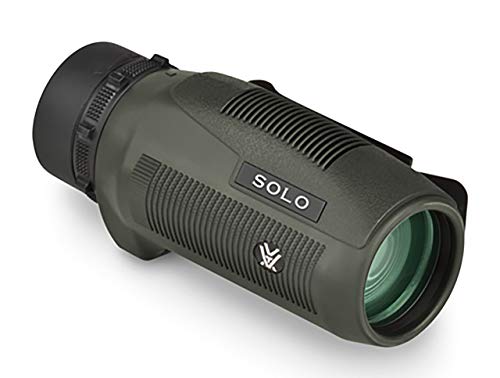 Vortex Solo Monocular 10x36View on Amazon
- 3
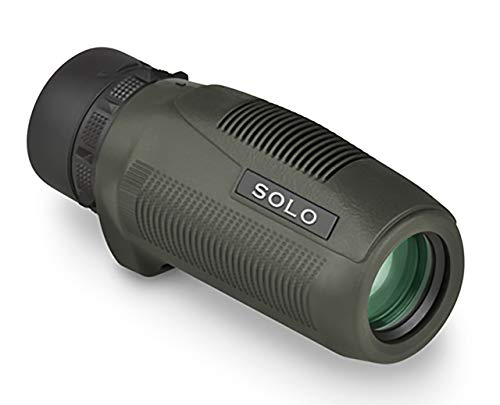 Vortex Solo Monocular 10x25View on Amazon
- 4Vortex Solo Monocular 8x25View on Amazon
- 5Vortex Solo Monocular 8x36View on Amazon
- 6
 High Powered 16X52 Monocular Telescope for AdultsView on Amazon
- 7
 Nocs Provisions Zoom Tube 8x32 MonocularView on Amazon
A bird lands on the far fence at first light, and you want a closer look without walking over and flushing it. That is the moment that separates a monocular vs spotting scope choice: an optic that rides in a pocket and comes out in seconds, against an optic that waits on a tripod for a long watch. This guide compares the shapes for bird watching and nature viewing, weighing the monoculars on their stated specs, and shows when each shape earns its place.
Other hives and gear to compare
 Vortex Solo Monocular 10x36Check price on Amazon
 Vortex Solo Monocular 10x25Check price on Amazon
- Vortex Solo Monocular 8x25Check price on Amazon
- Vortex Solo Monocular 8x36Check price on Amazon
 High Powered 16X52 Monocular Telescope for AdultsCheck price on Amazon
 Nocs Provisions Zoom Tube 8x32 MonocularCheck price on Amazon
HiveKeeperGear earns a commission when you buy through links on this site, at no extra cost to you. As an Amazon Associate I earn from qualifying purchases. Affiliate disclosure.
Monocular vs spotting scope, side by side
| Monocular | Size | Weight | In the box |
|---|---|---|---|
| Pankoo 40×60 with hand strap | 40×60 | 1.14 pounds | Phone adapter, tripod, hand strap, dust cover, cleaning cloth |
| Pankoo 40×60 with FMC lens | 40×60 | 0.86 pounds | Smartphone holder, tripod, velvet bag, dust cover, cleaning cloth |
| PhysioPhyx 80×100 | 80×100 | Not stated | Phone adapter |
| HDAJY 30×25 mini | 30×25 | 0.12 pounds | Not stated |
All of the optics compared here are monoculars, so the table shows the monocular side of the choice. The spotting scope side is described from its shape: a larger objective on a tripod, built for long, steady watches rather than pocket carry.
What a monocular does well
A monocular is a single tube that works in a single hand, with little setup. The Pankoo 40×60 monoculars show the shape: a 40×60 tube with a phone adapter and a tripod in the box, ready to share a view on a phone screen. The HDAJY mini is 3.7 inches long and 0.95 inches across, small enough to slip into a pocket, and the maker lists a weight of 0.12 pounds. The PhysioPhyx 80×100 trades size for reach, with a 6.9 inch tube and the largest objective here.
The BAK4 prism and fully multi-coated lens on the Pankoo monoculars are the optical details the makers state, and the 40×60 monoculars are nitrogen filled; the hand-strap model also states antifogging. The Pankoo 40×60 with FMC lens lists a field of view of 419 feet at 1000 yards, and a 10 year manufacturer warranty.
What a spotting scope does well
A spotting scope is the same idea scaled up: a longer body and a tripod it lives on. It holds a steady view at high magnification for a long watch, which suits a fixed spot at a feeder, a shoreline, or a hawk watch. It does not slip into a pocket, and it asks for a tripod and setup time before the view steadies. No spotting scope is among the products here, so the monoculars below are weighed on their stated specs and the scope on its shape. The best spotting scopes roundup compares scopes for birding.
The monoculars, up close
The Pankoo 40×60 monoculars share a size and a shape, and differ in the details. The first lists a weight of 1.14 pounds and dimensions of 3.5 by 3.2 by 7.2 inches, with a phone adapter, a tripod, a hand strap, a dust cover, a cleaning cloth and a user manual in the box. The other lists a weight of 0.86 pounds, a field of view of 419 feet at 1000 yards, and a 10 year manufacturer warranty, with a smartphone holder, an upgrade tripod, a velvet bag, a dust cover, a cleaning cloth and a user manual. Each carries a BAK4 prism and a fully multi-coated lens.
The PhysioPhyx 80×100 is the largest tube here, at 6.9 by 3.55 by 3.99 inches, with an adjustable eyecup the maker states suits users with or without glasses. Its sealed internal design shields the optics from moisture, and the maker states it helps reduce fogging in damp, rainy, or misty conditions. No weight is stated for the PhysioPhyx.
The HDAJY mini is the smallest tube here, 3.7 inches long and 0.95 inches across, with a metal mirror barrel and an outer rubber material the maker states is strong and durable. The maker states the airtight body resists bad weather, and the monocular can be used in rainy and wet conditions. It suits stargazing and hunting as well as hiking and birding, and the maker states it can be used by adults and children.
How to choose: monocular vs spotting scope
Match the magnification to the watch
The monoculars here run from 30×25 to 80×100. The 30×25 mini suits a quick look at a distant bird, while the 80×100 reaches farther at the cost of a larger tube. The 40×60 monoculars sit between them, with a 60 mm objective lens the maker states lets you look farther and see wider.
Weigh the carry
The Pankoo monoculars list weights of 1.14 pounds and 0.86 pounds, and the HDAJY mini lists 0.12 pounds. The PhysioPhyx lists no weight, and its 6.9 inch tube is the longest here. A monocular that rides in a pocket gets used; a scope that needs a tripod stays where you set it. For the size question in general, see compact vs full size binoculars.
Share the view on a phone
The Pankoo monoculars and the PhysioPhyx list a phone adapter or smartphone holder in the box, so a phone screen can share the view. The HDAJY mini lists no phone adapter. A tripod steadies the view for sharing: the Pankoo monoculars include one, and the PhysioPhyx lists a phone adapter without a tripod among its stated accessories. For another optic that shares a view well, see the best birding binoculars picks.
Think about weather
Both Pankoo 40×60 monoculars are nitrogen filled. The maker of the hand-strap model states its filling is antifogging and the body can be used on a rainy day and in a humid environment. The HDAJY mini states an airtight body for rainy and wet conditions. The PhysioPhyx states a sealed internal design that helps reduce fogging in damp, rainy, or misty conditions.
FAQs for beekeepers
Can a monocular replace a spotting scope for bird watching?
For a quick look at a distant bird, yes: a 40×60 monocular with a phone adapter shares the view in seconds. For a long watch at high magnification, a spotting scope on a tripod holds steadier. The choice is carry against steadiness.
What does 40×60 mean on a monocular?
The first number is the magnification, and the number after it is the objective lens size. A 40×60 monocular magnifies 40 times, and 60 is the objective lens size. The 60 mm objective lens is the size the Pankoo maker states lets you look farther and see wider.
Do these monoculars work with a phone?
The Pankoo monoculars and the PhysioPhyx list a phone adapter or smartphone holder. The HDAJY mini lists no phone adapter. A phone holder lines the phone camera up with the eyepiece, so the view can be shared as a photo or video.
Which monocular weighs the least?
The HDAJY mini lists a weight of 0.12 pounds, against 0.86 pounds for the Pankoo 40×60 with FMC lens and 1.14 pounds for the Pankoo 40×60 with hand strap. No weight is stated for the PhysioPhyx 80×100.
Can I use a monocular in the rain?
The Pankoo 40×60 with hand strap is nitrogen filled, and the maker states it can be used on a rainy day and in a humid environment. The Pankoo 40×60 with FMC lens is nitrogen filled too. The HDAJY mini states an airtight body for rainy and wet conditions, and the PhysioPhyx states a sealed design that helps reduce fogging in damp, rainy, or misty conditions.
More hive guides
See every weather and nature watch guide and all wildlife feeding guides, or browse birding optics. Also see our wireless vs wired outdoor thermometer. Also see our barometer vs weather station. Also see our best monocular telescope. Also see our wireless vs wired rain gauge. Also see our home weather stations wireless indoor outdoor.
More related guides (83)
- anemometer vs weather station
- solar vs battery weather station
- best waterproof outdoor thermometer
- squirrel feeder vs bird feeder
- best outdoor wireless thermometer
- best wireless rain gauge
- best handheld anemometer
- best home weather station
- best monocular
- best rain gauge
- best indoor outdoor wireless thermometer
- digital vs analog barometer
- best barometer
- best professional weather station
- outdoor thermometer vs weather station
- plastic vs glass rain gauge
- wired vs wireless weather station
- best anemometer for wind speed
- monocular mini
- vortex solo vs nocs zoom tube
- best digital anemometer
- barometer home use
- outdoor thermometer digital
- outdoor thermometer hygrometer
- monocular waterproof
- best solar powered home weather station
- best large outdoor thermometer
- best batteries for outdoor thermometer
- best weather station with outdoor sensor
- best home weather station with remote monitoring
- best rain gauge for deck
- barometer vs hygrometer
- best barometer under 40
- best waterproof outdoor thermometer under 15
- outdoor thermometer only
- outdoor thermometer smart
- 8x vs 10x monocular
- best outdoor wireless thermometer under 25
- best handheld anemometer under 30
- best wireless rain gauge under 40
- barometer indoor glass
- recording type rain gauge
- monocular zoom
- garden barometer and thermometer
- monocular scope hiking
- best home weather station with rain gauge
- best rain gauge for garden
- best home weather station under 100
- best home weather station with lightning detector
- best home weather station with wind speed
- best monocular for stargazing and bird watching
- best monocular for glasses wearers
- barometer indoor analog
- outdoor thermometer stick on glass window
- outdoor thermometer vertical
- rain gauge heavy duty
- solar powered thermometer waterproof
- outdoor thermometer and rain gauge
- high quality outdoor thermometer
- large display weather station
- outdoor thermometer copper
- outdoor thermometer metal
- all weather rain gauge
- hanging outdoor thermometer
- outdoor thermometer bluetooth
- outdoor thermometer vintage
- monocular digital night vision
- outdoor thermometer on stake
- outdoor thermometer small
- squirrel house vs birdhouse
- salt block vs mineral lick
- analog vs digital anemometer
- wind vane vs anemometer
- wind vane and wind sock
- best weather station for a cabin
- wind vane vs wind sock
- tipping bucket vs standard rain gauge
- best automatic corn feeder under 150
- best digital anemometer under 60
- metal vs plastic rain gauge
- wood vs metal squirrel house
- indoor vs outdoor thermometer
- wildlife feeding platform
More picks: best spotting scope for bird watching, best spotting scopes, best birding binoculars and compact vs full size binoculars.