Polystyrene Beehive vs Wooden Beehive: Which One Should You Buy?
A side-by-side comparison of polystyrene and wooden beehives covering thermal insulation, box weight, hive durability, weather protection, and yard maintenance.

On this page
Top picks at a glance
As an Amazon Associate I earn from qualifying purchases.
- 1
 8-Frame Beehive Starter Kit9.7/10View on Amazon
- 2
 BeeCastle 20 Pack Beehive Frames and Waxed Foundations forView on Amazon
- 3
 BeeCastle 10 Pack Beehive Frames and Wax Foundations for DeepView on Amazon
- 4
 MayBee 10 Pack Beehive Frames with Wax Foundations for DeepView on Amazon
- 5
 BeeCastle 20 Pack Medium Beehive Frames and Waxed FoundationsView on Amazon
- 6
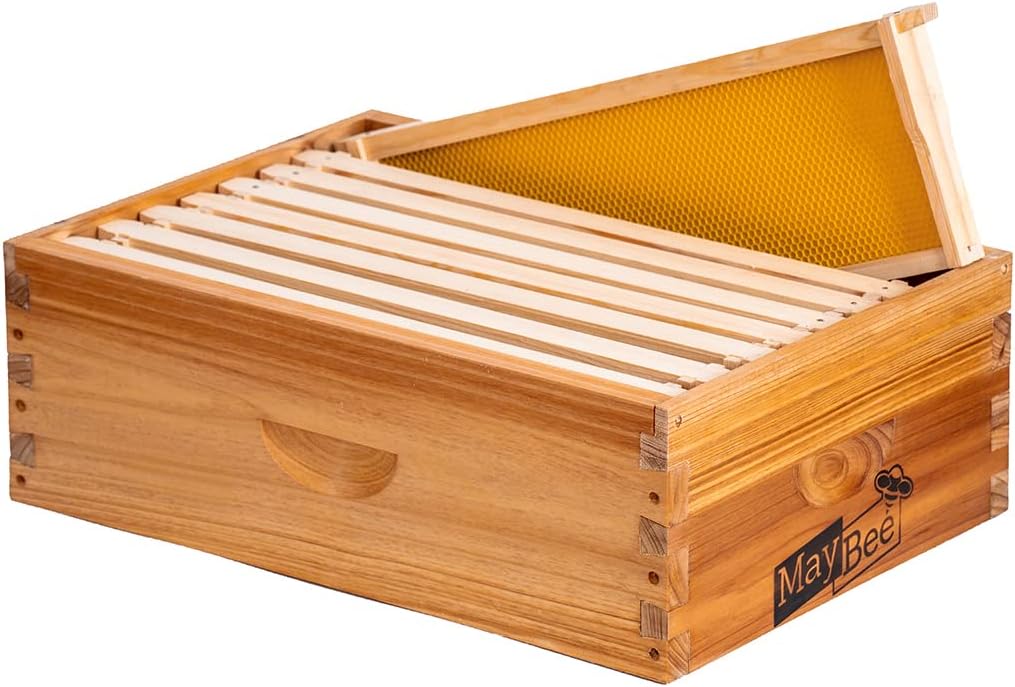 8-Frame Beehive Box Langstroth Medium Super Bee Box for SaleView on Amazon
- 7
 MayBee 10-Frame Beehive Box Langstroth Medium Super Bee BoxView on Amazon
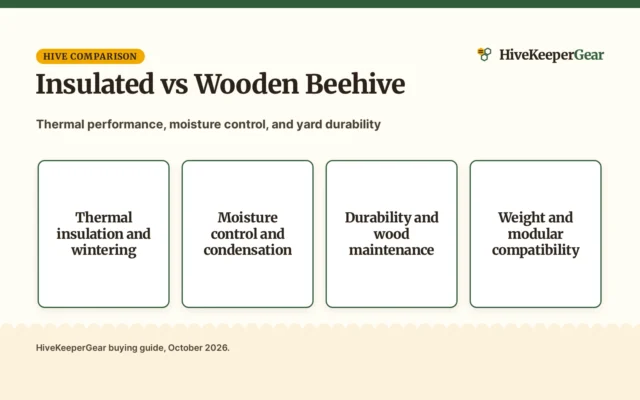
As late autumn chill settles across the apiary and colonies pull into winter clusters, choosing between a polystyrene beehive vs wooden beehive becomes a central decision for a beekeeper. For beekeepers facing freezing winters and damp springs, high-density polystyrene beehives provide superior thermal insulation that protects wintering colonies and conserves honey stores, whereas traditional wooden beehives offer unmatched modular durability, straightforward maintenance, and natural materials for keepers in moderate climates. We compared synthetic high-density foam against traditional pine and cedar wood construction across thermal insulation, box weight, outdoor durability, equipment compatibility, and yard care.
Other hives and gear to compare
 BeeCastle 20 Pack Beehive Frames and Waxed Foundations forCheck price on Amazon
 BeeCastle 10 Pack Beehive Frames and Wax Foundations for DeepCheck price on Amazon
 MayBee 10 Pack Beehive Frames with Wax Foundations for DeepCheck price on Amazon
 BeeCastle 20 Pack Medium Beehive Frames and Waxed FoundationsCheck price on Amazon
 8-Frame Beehive Box Langstroth Medium Super Bee Box for SaleCheck price on Amazon
 MayBee 10-Frame Beehive Box Langstroth Medium Super Bee BoxCheck price on Amazon
HiveKeeperGear earns a commission when you buy through links on this site, at no extra cost to you. As an Amazon Associate I earn from qualifying purchases. Affiliate disclosure.
Before you buy: apiary climate and management goals
Before selecting hive equipment, evaluate your apiary climate and physical handling preferences. In northern regions where winter temperatures remain below freezing and spring brings cold rains, thermal insulation within the hive box can decide colony survival. In warm southern climates, summer heat buffering and ventilation are central concerns. Lifting honey-filled supers during a heavy flow also places substantial strain on your back, making the tare weight of empty boxes an important consideration.
Polystyrene beehive vs wooden beehive: core comparison
The table below summarizes the practical differences between high-density molded polystyrene and traditional wooden hive construction across key yard factors.
| Comparison Factor | Polystyrene Beehive | Wooden Beehive | Related Guide |
|---|---|---|---|
| Thermal Insulation | High thermal retention; buffers against winter cold and summer heat | Moderate natural insulation; often requires winter wrap in cold climates | Insulated vs standard |
| Box Tare Weight | Lightweight synthetic foam eases box lifting during yard inspections | Substantially heavier solid wood adds weight when moving supers | 8-frame hives |
| Moisture and Rot | Non-porous foam resists water absorption; will not rot or decay | Susceptible to moisture absorption and rot without paint or beeswax dipping | Cedar vs fir hives |
| Exterior Maintenance | Requires exterior latex paint to shield foam from sun exposure | Requires periodic repainting or beeswax coatings to prevent weather damage | Wax dipped vs painted |
| Tool and Frame Fit | Requires gentle hive tool prying; fits standard Langstroth frames | Withstands firm hive tool prying; standard Langstroth box dimensions | Langstroth kits |
1. Thermal insulation and winter clustering
Thermal management is the defining operational difference between a synthetic polystyrene hive body and a traditional wooden box. Honey bees form a tight cluster during cold weather, consuming honey stores to generate metabolic heat. High-density polystyrene walls provide significantly greater thermal resistance than solid pine or cedar wood, slowing heat loss from the cluster to the outside air.
Because polystyrene boxes retain warmth efficiently, bees in cold climates expend less energy and consume smaller quantities of winter honey stores to sustain cluster temperatures. In early spring, this insulated environment encourages the queen to expand the brood nest across outer frames without chilling brood. In contrast, standard uninsulated wooden hives lose heat more rapidly, which often leads beekeepers in freezing climates to install an external winter wrap.
2. Box weight and hive lifting
The physical weight of empty equipment creates a noticeable difference during apiary inspections. Wooden hive boxes made from solid pine or cedar are naturally dense and heavy. When a deep brood chamber or medium super fills with brood, honey, and pollen, lifting boxes during weekly colony inspections demands significant physical effort.
Polystyrene hive bodies are molded from expanded high-density foam, resulting in a box that is remarkably light when empty. This reduced tare weight offers real ergonomic relief when lifting heavy supers. However, lighter hive weight also requires attention during windy conditions. While heavy wooden hives rest firmly on their stands, polystyrene lids and upper boxes can shift under severe wind gusts, making tie-down straps or weights across outer covers necessary.
3. Durability, weather protection, and maintenance
The durability of apiary equipment depends on how materials respond to rain, freezing temperatures, and direct sunlight. Traditional wooden beehives have served beekeepers for generations because natural lumber is structurally robust and easily repaired. A wooden box can withstand accidental drops, firm hive tool prying, and decades of outdoor exposure when maintained with protective exterior coatings.
Wood absorbs moisture from rain and ground dampness, leaving it susceptible to rot and warping if left untreated. For instance, manufacturer listings from BEEKNOWS emphasize that their cedar beehive boxes are dipped in heavy beeswax to seal the wood grain and make the exterior more durable against weathering. Beekeepers can also review our comparison of cedar beehive vs pine beehive boxes to evaluate natural rot resistance across wood species.
High-density polystyrene does not rot or decay from ground moisture. However, it requires protection from ultraviolet sunlight, meaning all exterior surfaces must be coated with exterior water-based latex paint before installation. Synthetic foam is also softer than wood, requiring care when prying apart propolis-bound boxes to avoid denting box rims.
4. Equipment compatibility and hive dimensions
Interchangeability is essential in an apiary, allowing beekeepers to swap frames, boxes, and accessories between colonies without fitment issues. The vast majority of polystyrene beehives are molded to standard Langstroth specifications, making them compatible with standard Langstroth wooden frames and plastic foundations.
Manufacturer specifications from BEEKNOWS list external dimensions for standard 10-frame wooden boxes at 19-7/8 inches long by 16-1/4 inches wide, with a deep brood box height of 9-5/8 inches and a medium super box height of 6-5/8 inches. For an 8-frame configuration, BEEKNOWS lists the width at 14-1/4 inches with identical length and depth. Polystyrene hive bodies accommodate these standard 10-frame and 8-frame arrangements, accepting standard Langstroth beehive frames and internal feeders.
While internal frame spacing aligns, exterior box thickness differs because polystyrene walls are molded thicker to achieve high insulation. External accessories made for wooden hives, such as metal telescoping covers, may not seat flush over the wider rim of a polystyrene box. Always verify that outer covers and entrance components seat flush without leaving gaps.
5. Moisture management and summer ventilation
Moisture control is critical for colony survival during winter confinement and summer honey curing. During cold winter months, bees generate warm water vapor as they metabolize honey. In an uninsulated wooden hive, cold interior surfaces can cause this vapor to condense into liquid water, which risks dripping onto the winter cluster and chilling the bees.
In a polystyrene hive, the interior walls stay closer to cluster temperature, reducing condensation along the walls. However, because dense polystyrene does not absorb moisture, adequate upper ventilation is essential so rising humid air can escape rather than collecting near the top of the hive. In summer, bottom ventilation becomes equally valuable. BEEKNOWS listings note that screened bottom boards provide improved ventilation for the beehive, creating a stable environment for bees to thrive during hot summer flows. Pairing a screened bottom board with seasonal ventilation helps regulate interior humidity across the year.
A seasonal apiary comparison
Winter: Polystyrene hives retain cluster heat with minimal thermal loss, allowing bees to maintain warm core temperatures while consuming less winter honey. Wooden hives lose heat more rapidly through solid walls, frequently requiring external wraps to prevent chilling.
Early spring: Polystyrene colonies frequently exhibit rapid spring buildup because the queen can lay eggs across perimeter frames without brood chilling during late frosts. Wooden colonies build up at a natural pace tied to stabilizing ambient temperatures.
Late spring and summer: During hot summer flows, wooden hives rely on colony fanning and bottom board ventilation to regulate brood temperatures under direct sun. Polystyrene hives provide an insulated thermal barrier that slows external solar heat penetration into supers, helping bees maintain stable brood temperatures during heatwaves.
Fall: Polystyrene boxes require only standard entrance reducers and mouse guards for winter. Wooden hives should be inspected thoroughly for weathering, rot, or peeling paint, with beekeepers repainting or resealing bare wood before seasonal rains arrive.
Yard considerations and accessories
- Elevate hives on a sturdy stand: Keeping bottom boards lifted off damp earth protects wooden hives from rotting and keeps moisture away from polystyrene entrances.
- Secure lids with hive straps or weights: Polystyrene covers are lighter than metal-clad wooden covers, making tie-down straps or patio blocks necessary to prevent wind lift.
- Use a wide hive tool with care: When separating propolis-glued polystyrene boxes, use a wide flat hive tool and pry gently at corners to avoid gouging foam edges.
- Paint exterior surfaces before installation: Coat all exterior polystyrene surfaces with water-based exterior latex paint to shield the foam against ultraviolet solar breakdown.
- Install entrance reducers for seasonal defense: Using a fitted wooden or plastic entrance reducer protects both hive types from robbing bees in late summer and rodent entry in winter.
Consistent yard records help track how colonies thrive across different box styles. Noting seasonal honey consumption, brood nest expansion, and winter survival rates between polystyrene and wooden equipment in your own bee yard provides clear practical data tailored to your local climate.
What to keep in mind
This guide compares hive construction materials and physical equipment only. Colony health, queen performance, and local forage availability depend on apiary management rather than hive box materials alone. We do not provide bee health or treatment advice. For colony health questions or disease management, consult your state apiary inspector or local agricultural extension office.
FAQs for beekeepers
Do honey bees chew through polystyrene beehives?
Honey bees do not eat synthetic foam, but they can occasionally nibble or propolize exposed interior surfaces if spaces are left rough. High-density molded polystyrene resists chewing far better than common packaging foam, and beekeepers can coat interior seams with propolis or latex to deter bees.
Can you use standard wooden frames inside a polystyrene beehive?
Yes. Most polystyrene hives are molded to standard Langstroth specifications and accept standard wooden frames and wax-coated plastic foundations. For example, standard 10-frame and 8-frame dimensions match across both styles, allowing beekeepers to interchange frames freely between wooden and polystyrene boxes.
Do polystyrene beehives cause condensation in winter?
Polystyrene walls stay warmer than cold ambient air, which reduces condensation along interior surfaces. However, because synthetic foam is non-porous and does not absorb vapor, beekeepers must provide adequate upper ventilation so warm, humid air produced by the cluster can escape freely without dripping onto the bees.
How do you paint a polystyrene beehive?
Polystyrene boxes must be painted on the exterior with water-based exterior latex paint to protect the material from ultraviolet sunlight. Beekeepers should never use solvent-based paints, chemical stains, or oil-based finishes on polystyrene because harsh chemical solvents dissolve synthetic foam.
Which beehive lasts longer, wood or polystyrene?
Both materials offer long service lives when properly maintained in the apiary. Quality wooden hives dipped in heavy beeswax or painted regularly resist rot for many seasons, while dense polystyrene never rots or absorbs rain but requires protection from rough hive tool prying and direct sun exposure.
More hive guides
Browse every guide by category: beehives, Langstroth hives, and 8-frame hives.
More guides: Compare insulated beehive vs wooden beehive, evaluate cedar beehive vs pine beehive, or review assembled vs unassembled bee hives. New to beekeeping? Check our guide to beekeeping supplies for beginners.