Steam vs Electric Uncapping Knife: Which One Should You Buy?
Compare steam and electric uncapping knives by heating speed, setup requirements, mobility, and maintenance to choose the right uncapping tool for your honey harvest.

On this page
Top picks at a glance
As an Amazon Associate I earn from qualifying purchases.
- 1
 Electric Bee Honey Uncapping Knife Stainless-Steel Constant9.5/10View on Amazon
- 2
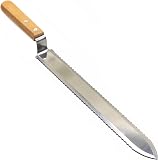 WEICHUAN Stainless Steel Serrated Uncapping Knife Beekeeping9.6/10View on Amazon
- 3
 Honbay Bee Keeping Uncapping Fork with 18 Tines Stainless9.6/10View on Amazon
- 4
 Electric Honey Uncapping Knife Digital Display Uncapping KnifeView on Amazon
- 5
 ROTORS Electric Honey Uncapping KnifeView on Amazon
- 6
 GLUK-ELEC Electric Decapping KnifeView on Amazon
- 7
 Stainless Steel Uncapping KnifeView on Amazon
When honey supers come off the hives in late summer, the choice of a steam vs electric uncapping knife comes down to your honey house setup, your access to power, and how many frames you process. For most backyard beekeepers near a standard outlet, an electric uncapping knife is the simpler route, because it needs no water tank, hoses or burner. A steam uncapping knife is generally chosen for larger extracting setups and off-grid yards, where a boiler can supply steady heat. The electric examples in this guide come from Amazon listings. No steam knife is listed, so every steam statement here is general knowledge, not a listing fact.
Other hives and gear to compare
 Electric Honey Uncapping Knife Digital Display Uncapping KnifeCheck price on Amazon
 ROTORS Electric Honey Uncapping KnifeCheck price on Amazon
 GLUK-ELEC Electric Decapping KnifeCheck price on Amazon
 Stainless Steel Uncapping KnifeCheck price on Amazon
HiveKeeperGear earns a commission when you buy through links on this site, at no extra cost to you. As an Amazon Associate I earn from qualifying purchases. Affiliate disclosure.
Steam vs electric uncapping knife: quick comparison
Uncapping is the first step before spinning frames in a honey extractor. Both knife types use heat to melt the beeswax cappings so the honey can drain from the comb. They produce and deliver that heat in different ways. The table below mixes listing facts (electric) with general expectations (steam).
| Feature | Electric Uncapping Knife | Steam Uncapping Knife (general) |
|---|---|---|
| Heat Source | Internal electric heating element | Steam from an external boiler |
| Power Requirement | Listings state 110V and a US plug | A boiler with its own heat source (gas, propane or electric) |
| Heat-Up Speed | One listing states 30 seconds | Water has to come to steam first |
| Temperature | Two listings state a maximum of 140-160℃ | Varies with the boiler setup |
| Setup | Plug in and work | Boiler, heat source and hoses |
| Mobility | Limited by cord length | Depends on where the boiler can sit safely |
| Often Used By | Hobbyists and small apiaries | Larger operations and off-grid sheds |
How electric uncapping knives work
An electric uncapping knife has a heating element built into the blade. When plugged in, the metal warms enough to melt wax cappings on contact, and you slice along the frame face.
The listings show how much the electric designs differ. The Pierce Beekeeping Equipment Speed King listing states a food-grade 304 stainless steel blade, 10 inches long and 2 inches wide, with an 8-foot grounded cord, a preset thermostat, heating in 30 seconds and a 2-year manufacturer warranty. Two other electric listings state 110V power or a US plug and a maximum temperature of 140-160℃. One of them lists an item weight of 1.05 pounds. One listing does not say what thermostat, if any, it uses.
The appeal of an electric knife is simplicity. There is no water to fill and no steam hose to route across the uncapping tank. For a kitchen, garage or honey room with reliable power, it is a straightforward tool. You can learn more in our guide on what is an uncapping knife.
How steam uncapping knives work
The following is general background, not taken from a listing. A steam uncapping knife has a hollow blade or tubing that carries steam along the cutting edge. Steam arrives through an inlet hose from an external boiler, and condensed water leaves through an outlet hose into a bucket or drain.
The boiler is commonly heated by a propane stove, a gas burner or an electric element. As long as it keeps producing steam, the blade keeps receiving heat. Many keepers choose steam for this steady supply, and because the blade temperature is tied to steam, it is often described as gentler on honey than a hot electric element. Results depend on the boiler and how you run it.
Steam vs electric uncapping knife: key differences compared
Each power source affects your workflow, your workspace and your upkeep. These are the main areas to weigh.
Heat consistency and wax cutting
Both tools can slice cleanly through capped comb. An electric knife relies on its element, and cold honey and wax draw heat from the blade when you work fast. The listings do not say how quickly each model recovers, so it is worth checking the maker’s description of the thermostat. A steam knife is generally described as holding a steady temperature while the boiler keeps producing steam. Clean cell openings help the frames drain in your honey extractor.
Workspace setup and footprint
An electric knife needs an outlet and a resting tray or stand. Cord length matters: the Pierce listing states an 8-foot cord. A steam knife asks for more room: a stable boiler, a heat source, and hoses that are clamped and routed to a drain or bucket. In a cramped kitchen or small basement, that can be awkward.
Temperature control and honey protection
Keepers usually try to avoid overheating honey, since heat can darken it and change the flavor. Two electric listings state a maximum of 140-160℃. An electric blade resting on comb can scorch wax and honey, so keep it moving. Steam setups are often described as running cooler than a hot electric element, but the listings give no steam figures, so treat that as a general expectation only.
Maintenance and storage
For an electric knife, unplug it, let it cool and wipe the blade with a damp cloth. Steam gear takes more care. Let the boiler cool, drain it, and flush and hang the hoses to dry. If your water is hard, scale may build up in the boiler and the knife channels over time.
How to choose between steam and electric uncapping
The right choice depends on how many frames you process, where you work and how much equipment you want to manage.
When an electric uncapping knife fits
If you keep a few colonies and extract indoors near power, an electric knife is the practical starting point. Setup is quick, and storing a knife and cord takes far less room than a boiler, hoses and burner. For more comparisons, see our guide on a heated vs cold uncapping knife or an electric uncapping knife vs uncapping plane.
When a steam uncapping knife may fit
A steam knife can make sense as your hive count grows and you work in a dedicated honey house, or where there is no electrical service and a propane burner can run the boiler. If you already own a steam boiler for other equipment, adding a knife may be simple. Since no steam knife is listed here, check the maker’s own specifications before buying one.
Safety (general guidance, not listing facts): With electric knives, unplug them between uses, never leave them on unattended, and use a GFCI outlet. With steam knives, treat the hoses and boiling water as hot at all times, clamp the hoses securely, and set the boiler on a stable surface where it cannot tip and where cords and hoses will not catch. Follow the maker’s instructions for either type.
FAQs for beekeepers
Can an electric uncapping knife scorch honey?
It can if the blade rests against the comb. Two electric listings state a maximum of 140-160℃, so keep the blade moving and wipe off excess honey as you go.
Does a steam uncapping knife require electricity?
Not necessarily. As general background, the boiler can be heated by propane, gas or an electric element, so a gas-fired setup can work where there is no power. Check the maker’s instructions.
How fast does an electric uncapping knife heat up?
It depends on the model. The Pierce Speed King listing states a preset thermostat and heating in 30 seconds. The other electric listings do not state a heat-up time.
Can I uncap frames without heat?
Yes, cold knives and uncapping forks remove cappings without electricity or steam. Heated blades generally take less hand effort, but this is general guidance, not a listing fact.
How should I clean and store an uncapping knife after harvest?
For an electric knife, disconnect power, let the blade cool and wipe it with a damp cloth. For a steam knife, disconnect the hoses, drain the boiler and let everything dry before storage.
More hive guides
Browse every guide by category: uncapping tools, honey harvesting, hive tools, and beehives, or see our safety disclaimer.
More harvest gear: compare top models in our uncapping knife guide, filter raw honey with a honey strainer, or collect your crop in a honey bucket with gate. New to the craft? Learn how to use a honey extractor.