Uncapping Plane vs Uncapping Fork: Which One Should You Buy?
Compare uncapping planes and uncapping forks by harvesting speed, comb preservation, wax recovery, and frame fit to choose the right tool for your apiary.

On this page
Top picks at a glance
As an Amazon Associate I earn from qualifying purchases.
- 1
 Pierce Beekeeping Uncapping Tub Kit with Cover9.7/10View on Amazon
- 2
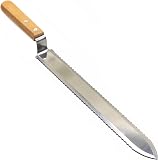 WEICHUAN Stainless Steel Serrated Uncapping Knife Beekeeping9.6/10View on Amazon
- 3
 Honbay Bee Keeping Uncapping Fork with 18 Tines Stainless9.6/10View on Amazon
When honey supers come off the hives at the end of the summer flow, deciding between an uncapping plane vs uncapping fork comes down to whether you prioritize raw harvesting speed or preserving drawn comb. An uncapping plane slices flat cappings rapidly across uniform supers for larger apiaries, whereas an uncapping fork pierces low, uneven wax cells with minimal comb damage for small apiaries. We compared both uncapping tools across harvesting speed, comb preservation, wax recovery, heating requirements, and cleanup to show which tool fits your honey harvest.
HiveKeeperGear earns a commission when you buy through links on this site, at no extra cost to you. As an Amazon Associate I earn from qualifying purchases. Affiliate disclosure.
Understanding uncapping planes and uncapping forks
An uncapping plane operates much like a handheld woodworking plane adapted for honey harvesting. It features an angled cutting blade, typically warmed by an internal heating element, mounted within a rigid frame. As you draw the plane across the face of a capped honey frame, the blade rests on the wooden top and bottom bars, slicing away raised wax cappings in wide sheets. This makes the uncapping plane an efficient choice for straight, fully drawn honey frames. Beekeepers weighing heated options often compare an electric uncapping knife vs uncapping plane to determine which blade angle matches their harvesting stance.
An uncapping fork uses a row of sharp metal tines mounted to a comfortable handle. Rather than slicing off sheets of wax, the beekeeper slides the tine points beneath the wax cappings and levers upward, popping the wax seals open while leaving cell walls intact. Product listings for uncapping forks, such as the Yenghome honey uncapping fork, specify 304 stainless steel tines, a wooden handle, and an overall weight of 1.6 ounces. Another reference listing from Oh Klyzo provides 18 tines across a wide head to clear larger patches of wax in a single pass.
Choosing an uncapping plane vs uncapping fork for your harvest
The central choice between an uncapping plane and an uncapping fork involves balancing processing speed against comb preservation. An uncapping plane clears honey frames in continuous strokes. When bees draw comb out past the wooden edges, a heated plane blade glides through wax cappings quickly, allowing an operator to process supers rapidly. However, that cutting action shears away the outer portion of drawn cells, requiring bees to consume honey and secrete fresh wax to rebuild comb during the following nectar flow.
An uncapping fork provides superior control when combs are uneven or recessed below the wooden top bar. When a frame contains low hollows, a flat plane blade passes over the depression without opening the cells. An uncapping fork reaches directly into these hollows, piercing wax cappings without gouging foundation. For this reason, many beekeepers who use heated cutters keep an uncapping fork nearby to clear low patches.
| Harvesting Factor | Uncapping Plane | Uncapping Fork |
|---|---|---|
| Primary cutting motion | Heated slicing pass flush with frame bars | Manual lifting and scratching under cappings |
| Harvesting speed | Rapid throughput on flat combs | Targeted pacing across cell patches |
| Comb preservation | Removes extended wax to frame level | Keeps cell depth and foundation intact |
| Uneven comb and low spots | Skims over depressions without uncapping | Reaches deep into concave hollows easily |
| Heating requirements | Heated electrical element | Unheated manual operation |
| Wax cappings volume | High volume of wet wax cappings | Minimal wax fragments produced |
| Recommended apiary scale | Growing apiaries running multiple supers | Small apiaries and hobby hive setups |
When to choose an uncapping plane
An uncapping plane is the right tool when your primary concern is harvesting speed. If you manage multiple hives and harvest several supers of honey, uncapping individual frames with a manual fork becomes slow and tiring. An uncapping plane maintains a steady harvesting rhythm that keeps pace with a motorized or large manual honey extractor, ensuring your extraction line runs without interruption.
The plane is especially effective for honey supers where wide frame spacing encourages bees to draw comb thick beyond the wood. If you collect beeswax for candles or crafts, an uncapping plane yields generous quantities of clean cappings wax. A reference honey harvesting station from RIQUIPAI measures 24 inches by 17 inches and holds two frames across its drip tray rack, catching cappings while honey drains into a collection bucket.
When to choose an uncapping fork
An uncapping fork is the best option for beginner beekeepers, hobbyists with a few colonies, and anyone seeking to preserve drawn comb. Because honey bees consume honey to produce wax, saving intact comb allows colonies to store surplus nectar immediately during the next flow. By lifting cappings rather than slicing off cell rims, an uncapping fork keeps the honeycomb structure ready for immediate reuse after extraction.
The uncapping fork is also ideal for apiaries in remote out-yards lacking electrical outlets. Without power cords or warm-up periods, you can begin harvesting immediately anywhere. Beginners can compare an uncapping fork vs uncapping roller to see whether tines or needle drums match their preference. Even when beekeepers add a heated plane or knife to their setup, an uncapping fork remains an essential tool for cleaning frame corners and uneven comb.
Harvest workflow and station setup
An organized harvest station keeps honey extraction tidy and protects your equipment. Mount your frame securely over an uncapping container. Beekeepers selecting a setup can compare an uncapping tank vs uncapping tub to find the right settling capacity for their space.
When using an uncapping plane, allow the blade to reach operating temperature before contacting wax. Reference specifications for heated uncapping tools, such as the Yencoly electric cutter, rate working heat between 140-160℃ so the blade glides smoothly without scorching honey. Hold the frame by the top bar, angle it slightly forward so falling wax drops into the tank, and draw the plane downward with light, continuous pressure.
When using an uncapping fork, hold the frame upright and position the tines nearly parallel to the comb. Slide the tips shallowly under the cappings and tilt the handle backward to pop the wax seals. Once both comb faces are open, move the frame to the extractor basket, following our guide on how to use a honey extractor to spin out honey safely.
Cleaning, maintenance, and storage
Proper maintenance protects your harvest tools and prevents honey contamination. After harvesting, remove excess wax accumulation while equipment is warm, using a plastic scraper to avoid scratching metal surfaces. Uncapping tool listings recommend immersing fork tines in warm water to dissolve honey residue and soften propolis without harming wooden handles or bending stainless steel tines.
Heated uncapping planes require careful handling around electrical connections. Disconnect the power cord before cleaning, and never immerse electrical components in water. Wipe the blade with a warm, damp cloth and dry it thoroughly. Store both tools in a clean, dry location protected from moisture and dust until the next harvest.
FAQs for beekeepers
Is an uncapping plane faster than an uncapping fork?
An uncapping plane covers entire comb surfaces in continuous slicing passes, making it noticeably faster on uniform honey frames. An uncapping fork operates more slowly because it lifts wax cappings from smaller patches across the comb.
Does an uncapping fork damage honeycomb foundation?
An uncapping fork preserves comb because the fine tines slide beneath wax cappings without cutting into cell walls. Bees can clean and refill the intact drawn comb quickly during the following nectar flow.
Can an uncapping fork replace an uncapping plane completely?
An uncapping fork can handle an entire harvest for beekeepers with a few hives, though processing multiple supers takes more time. Many beekeepers pair a heated primary cutter with an uncapping fork kept nearby for low spots.
How many tines does a standard uncapping fork have?
Tine counts vary by model, with reference listings such as Oh Klyzo featuring 18 tines across a stainless steel head. Other models provide wide scrapers or varied tooth configurations to suit different frame sizes.
Do uncapping planes require heat to remove wax cappings?
Most uncapping planes rely on an internal heating element to melt through wax cappings cleanly as the blade glides. An unheated blade can drag against chilled honey and tear delicate comb instead of slicing smoothly.
More hive guides
Browse every guide by category: uncapping tools, honey harvesting, honey extractors and honey strainers.
More uncapping comparisons: see our guides on electric uncapping knife vs uncapping plane, uncapping fork vs uncapping roller, and uncapping tank vs uncapping tub, or read our review of the best uncapping knife and tools.